United States President, Donald Trump, has said he is considering “winding down” American military operations in the Middle East, even as reports indicate a buildup of US ground forces moving into the region as the conflict with Iran enters its fourth week.
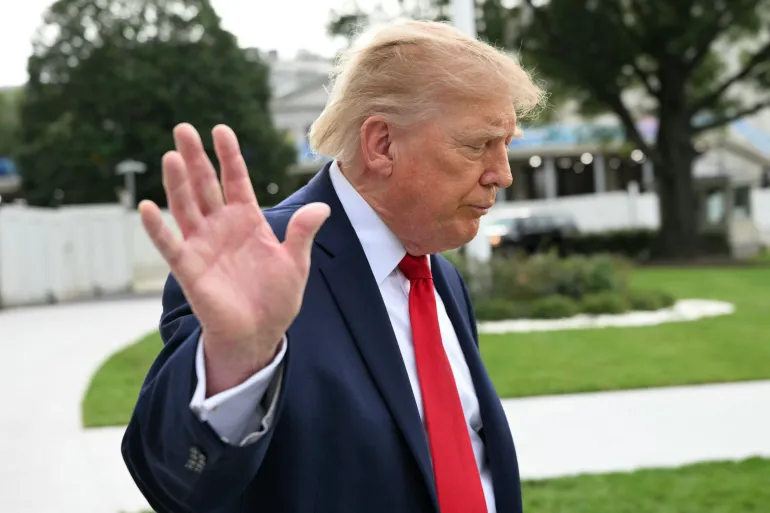
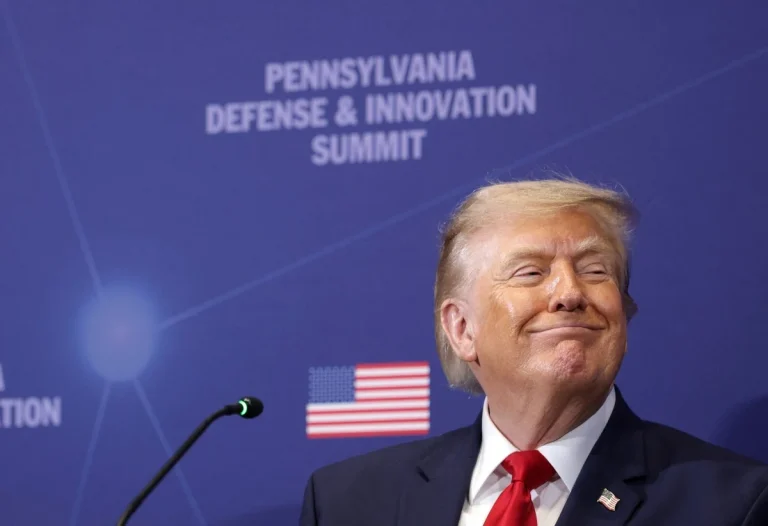
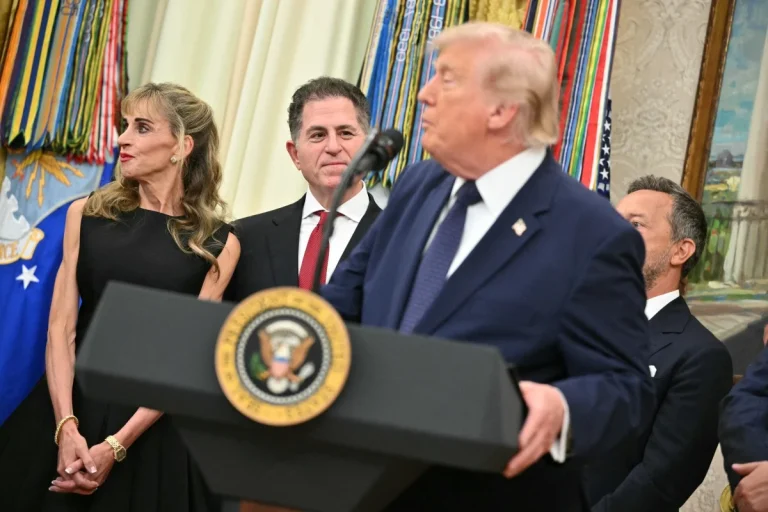
“We are getting very close to meeting our objectives as we consider winding down our great Military efforts in the Middle East with respect to the Terrorist Regime of Iran,” Trump posted on Truth Social on March 20.
In the same post, he outlined Washington’s core objectives in the war, including weakening Iran’s military capabilities and blocking Tehran from advancing toward nuclear weapons.
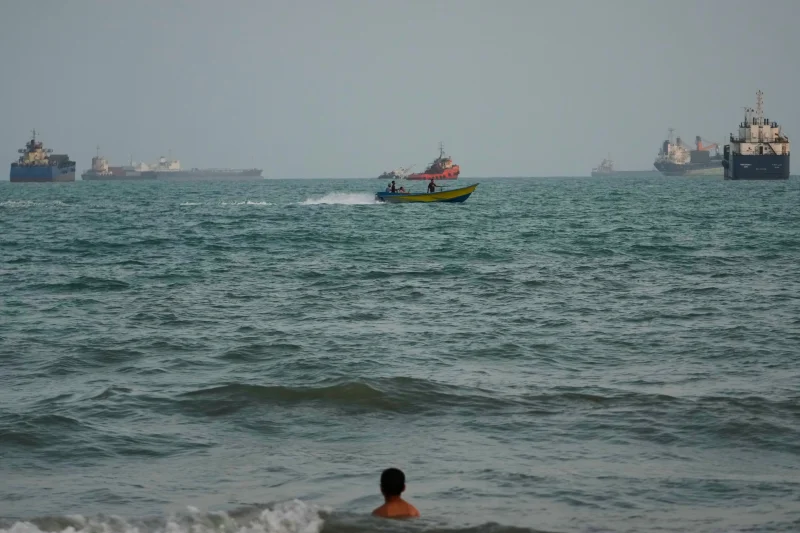
He also argued that responsibility for securing the strategic Strait of Hormuz should fall to other countries that depend on it, as Iran’s actions have disrupted global shipping and driven up energy costs.
“The Hormuz Strait will have to be guarded and policed, as necessary, by other Nations who use it — The United States does not [use it]!” he said.
“If asked, we will help these Countries in their Hormuz efforts, but it shouldn’t be necessary once Iran’s threat is eradicated. Importantly, it will be an easy Military Operation for them,” he added.
Trump’s remarks contrast with earlier comments suggesting there was no immediate need for a cease-fire, even as he maintained that Iran’s military had been heavily damaged by US-Israeli strikes.
Earlier on March 20, he told reporters: “Look, we can have dialogue, but I don’t want to do a cease-fire,” Trump told reporters. “You know, you don’t do a cease-fire when you’re literally obliterating the other side.”
On the energy front, the US Treasury Department also issued a 30-day authorization allowing the delivery and sale of previously sanctioned Iranian crude oil and petroleum products that were described as “stranded” on vessels.
However, Iranian oil ministry spokesman Saman Ghodousi rejected the claim, saying Iran had no surplus crude stuck at sea and disputing US estimates that as much as 140 million barrels could be released into global markets.
Earlier similar temporary measures had also been applied to Russian oil shipments to ease global supply pressures.
Reports of troop movements
At the same time, several media outlets, citing unnamed US officials, have reported that thousands of additional American troops are being deployed to the region as Washington expands its military options.
Trump, however, denied plans for escalation on March 19, while leaving room for future action, “I’m not putting troops anywhere. If I were, I certainly wouldn’t tell you. But I’m not putting troops. We will do whatever is necessary.”
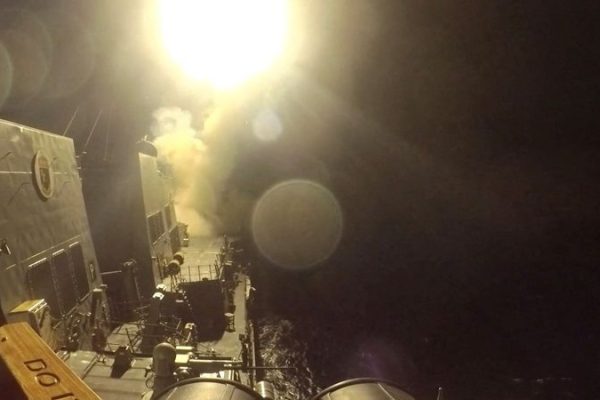
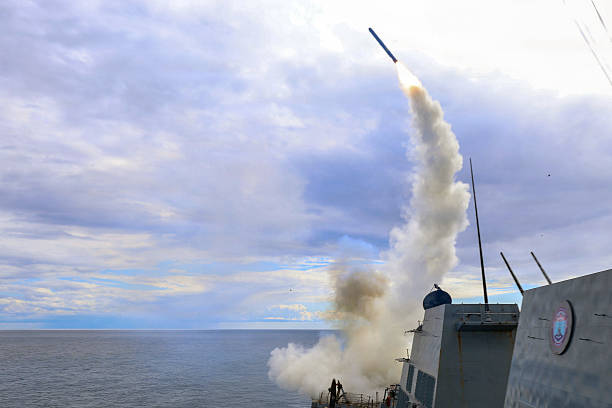
According to Reuters, roughly 2,500 Marines along with the amphibious assault ship USS Boxer and accompanying vessels are being sent to the Middle East, though their exact mission has not been disclosed.
CBS reported, citing sources, that the Pentagon is also preparing to deploy the 82nd Airborne Division, an elite rapid-response unit within the US military, to the region.
Meanwhile, Newsmax said the deployment of Marines and sailors has been accelerated, with the Boxer Amphibious Ready Group and the 11th Marine Expeditionary Unit moving ahead of schedule from the US West Coast.
The Wall Street Journal similarly reported that three US warships and thousands of Marines are being sent, citing unnamed officials.
The Journal also said around 2,200 to 2,500 Marines from the California-based USS Boxer amphibious ready group and the 11th Marine Expeditionary Unit are heading toward US Central Command’s area of responsibility in the Middle East.
These forces would add to earlier deployments, including the Japan-based USS Tripoli and its Marine unit, bringing total US troop levels in the region to roughly 50,000.
Separately, reports also suggest the US has considered the option of deploying ground forces to Kharg Island, a key hub handling the bulk of Iran’s oil exports.
Officials cited by Reuters warned such a move would carry significant risks given Iran’s missile and drone capabilities.
In another development, The Wall Street Journal reported that Iranian forces attempted a long-range strike on the US-UK base on Diego Garcia in the Indian Ocean.
The report said two ballistic missiles were launched, with one failing to reach the island and the other reportedly intercepted, though details remain unclear.