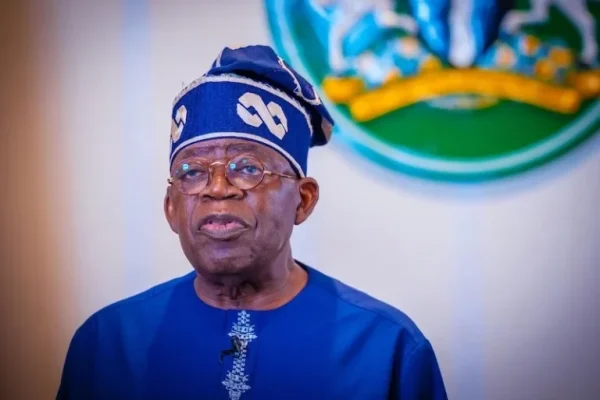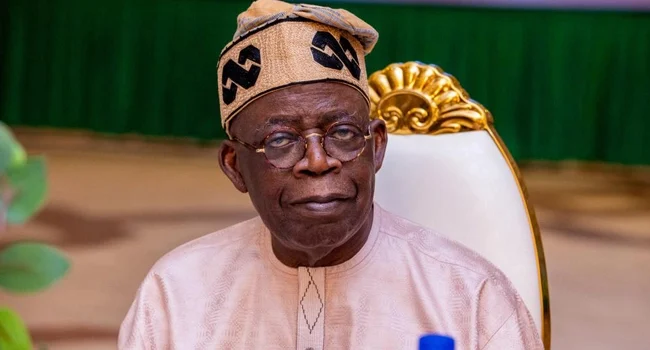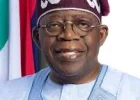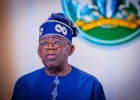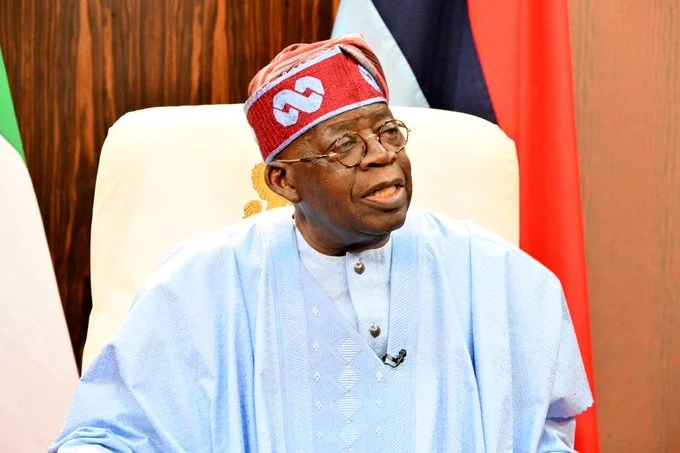
President Bola Tinubu has insisted that Nigeria will never return to fuel subsidy, invoking the biblical account of Moses leading the Israelites out of Egypt to defend his administration’s decision to end the policy.
Tinubu said reversing the subsidy removal would amount to asking Moses to return to Egypt after God had made a way for him and the Israelites through the Red Sea.
In a video shared on social media by @DOlusegun on Friday, the President recounted a lesson he said he learnt from his wife, whom he described as a pastor, drawing a comparison between the Israelites’ journey out of Egypt and Nigeria’s economic reforms.
“My wife is a pastor, and she taught me that once upon a time, Moses and Pharaoh — Pharaoh wouldn’t let the believers go, but they decided to leave anyway. The Red Sea parted for Moses and his people to pass, while those who pursued them perished in the ocean,” he said.
He added, “This Moses will not go back to Egypt. We will go forward. Nigeria will never go back to subsidy.”
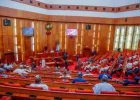
The President also suggested that sustaining his administration’s policies would require the continued support of political leaders, including state governors and members of the National Assembly.
He appeared to make the point while referring to the support of what he described as uncommon governors and an uncommon Senate, arguing that the country must maintain its present course rather than reverse the reforms.
Tinubu removed the petrol subsidy on May 29, 2023, during his inauguration, declaring that the subsidy was gone.
The decision marked one of the first major economic policies of his administration.
The policy, which had kept petrol prices artificially low through government payments to cover part of the cost, was defended by the President as necessary to free up public resources for infrastructure, education, healthcare and other development priorities.
However, its removal triggered a sharp increase in petrol prices, transportation fares and the cost of goods and services, worsening the cost-of-living crisis and placing additional financial pressure on households and businesses.
The administration has maintained that the reforms were necessary to address mounting public debt, reduce pressure on government finances and redirect resources towards development.
Tinubu’s position has, however, faced strong criticism from opposition politicians, some of whom have promised to review or restore aspects of the subsidy regime if elected in 2027.
Former Vice-President Atiku Abubakar has advocated a return to fuel subsidy, while former Anambra State Governor Peter Obi has also expressed support for restoring the intervention after addressing corruption surrounding its implementation.
Other political figures have argued that targeted interventions or alternative subsidy arrangements could help reduce the burden of rising fuel prices on Nigerians.
But Tinubu has maintained that reversing the policy would amount to taking the country backwards, insisting that his administration would continue with its economic reforms.