Qatar has suspended its liquefied natural gas output following Iranian drone strikes on major energy installations, while Saudi Arabia has temporarily closed its biggest oil refinery after a separate missile attack, raising fresh concerns about a deepening energy crisis across the Middle East.
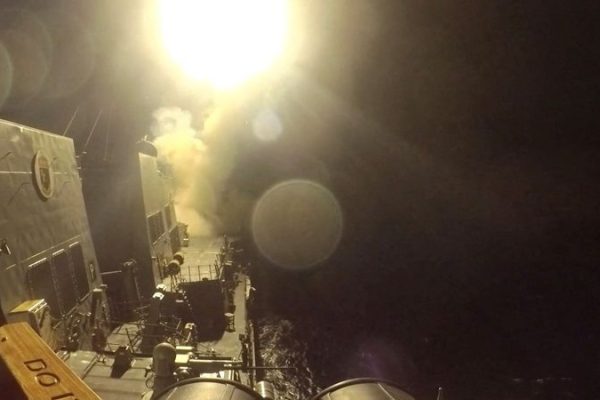
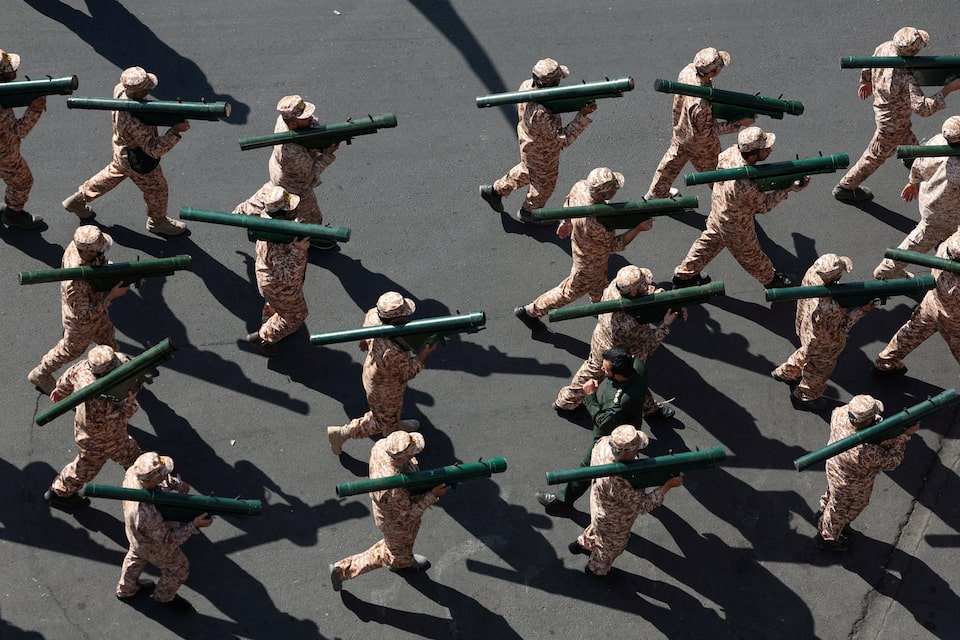
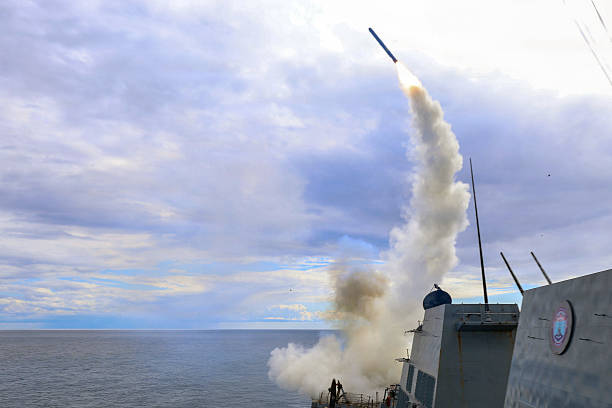
The latest escalation comes amid Iran’s retaliation for recent airstrikes by Israel and the United States.
For the third straight day, attacks have spread across Gulf nations, targeting critical oil and gas infrastructure and rattling global energy markets.
State-owned QatarEnergy is expected to declare force majeure on LNG cargoes after drones struck facilities inside the sprawling Ras Laffan Industrial City, home to the country’s gas liquefaction trains, large-scale processing units that cool natural gas into liquid form for export.
Additional strikes were reported in the Mesaieed Industrial Area in southern Qatar, a hub for petrochemical and manufacturing operations.
Qatar supplies about 20 per cent of the world’s LNG and plays a vital role in meeting energy demand in Asia and Europe.
News of the disruption triggered a sharp spike in European gas prices, with the Dutch front-month contract at the TTF hub surging between 46 and 52 per cent, its steepest jump since March 2022.
In Saudi Arabia, state oil giant Saudi Aramco confirmed the temporary shutdown of the Ras Tanura Refinery near Dammam after missiles targeted the export terminal.
Authorities said air defence systems intercepted incoming drones before they could hit key infrastructure, although falling debris sparked a minor fire. No casualties were recorded.
Ras Tanura remains one of Saudi Arabia’s most strategic oil facilities, capable of processing more than 500,000 barrels of crude per day.
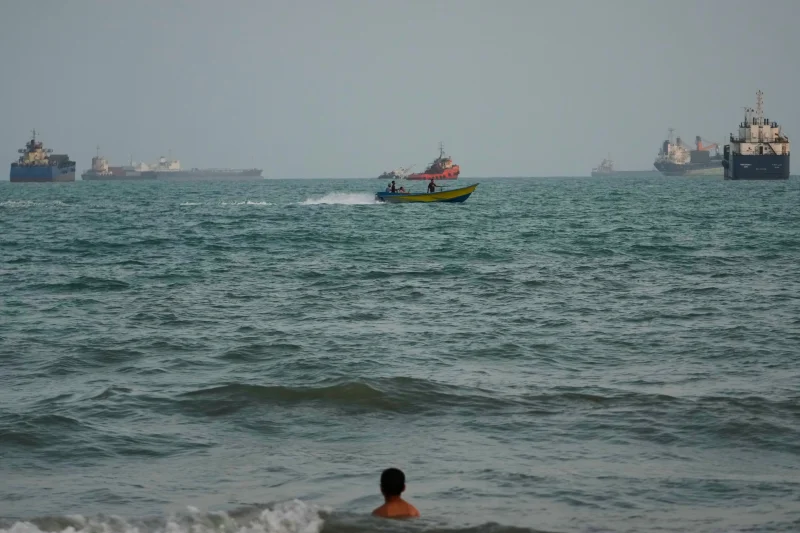
The refinery halt adds to growing disruptions across the region. Oil production in Iraqi Kurdistan has reportedly been suspended, while several Israeli gas fields have stopped exports to Egypt. Shipping activity through the Strait of Hormuz, a critical passageway that carries roughly one-fifth of global oil supply, has also slowed considerably.
International oil markets reacted swiftly, with crude prices climbing by as much as 13 per cent during intraday trading to exceed $82 per barrel, their highest level since January 2025, before retreating slightly. Overall, prices remain nearly 9 per cent higher as fears over supply interruptions intensify.
The expanding confrontation has amplified worries about prolonged instability in global energy markets, with analysts cautioning that continued strikes on Gulf energy infrastructure could lead to deeper supply shocks and sustained price surges.