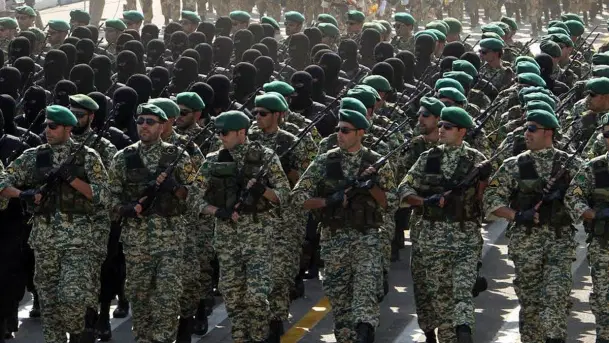
Iran’s Revolutionary Guards on Wednesday said a renewed war with the United States was unlikely, but warned the Islamic republic remained fully prepared to respond to any attack.
The warning came a day after Tehran accused Washington of violating the ceasefire that has been in place since April.
Iranian officials also cautioned that the country was ready to retaliate after what they described as the most serious strikes since the truce began.
In Lebanon, violence continued despite a ceasefire linked to Israel’s war with Hezbollah. Israeli strikes on Tuesday killed 31 people, according to Lebanon’s health ministry.
The regional conflict began in late February following joint US-Israeli strikes on Iran.
The confrontation quickly spread across several fronts, destabilising the Middle East and shaking global oil markets.
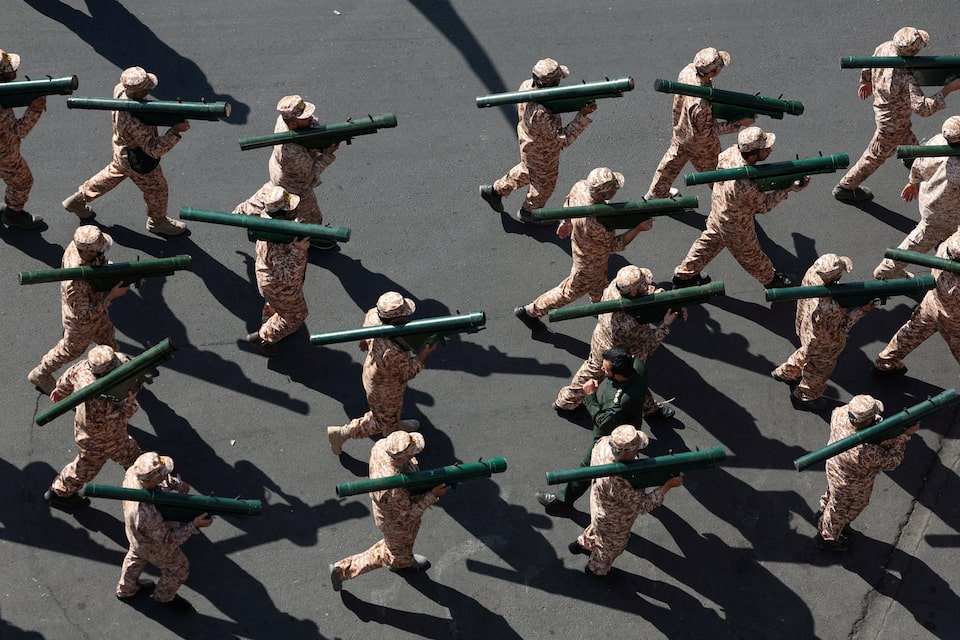
Mohammad Akbarzadeh, deputy political chief of the Islamic Revolutionary Guard Corps Navy, said the chances of another full-scale war were slim due to what he described as the weakness of Iran’s enemies.
“War is low because of the enemy’s weakness, the armed forces are lying in wait with full magazines,” he said.
He also warned that Iran’s military would transform coastal areas “into a graveyard for aggressors”, according to the Tasnim news agency.
Meanwhile, Iran’s intelligence ministry alleged that the US and Israel were still plotting to topple the Islamic republic and divide the country.
The ministry claimed it had evidence of plans to smuggle “various weapons, ammunition and illegal communication tools, especially Starlink” satellite internet devices into Iran to stir ethnic and religious unrest and conduct sabotage operations.
Oil prices decline amid diplomatic hopes
Iran and the United States have remained locked in tense negotiations for weeks, with Pakistan leading mediation efforts.
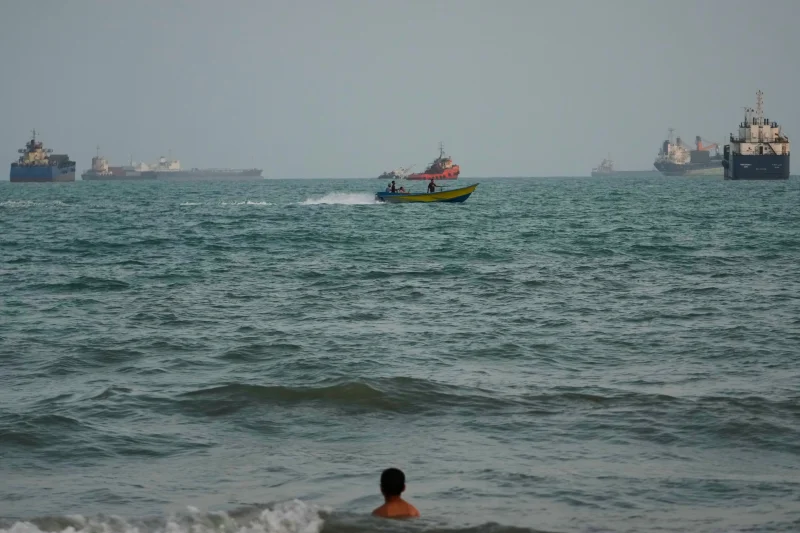
Despite ongoing talks, major disagreements persist, especially over Iran’s nuclear programme and control of the Strait of Hormuz, a crucial route for global oil shipments.
Iran previously blockaded the strait in response to the conflict, prompting the US to impose a counterblockade on Iranian ports.
On Wednesday, the Revolutionary Guards’ navy reiterated that only vessels “willing to abide by Iranian order” would be permitted through the strategic waterway.
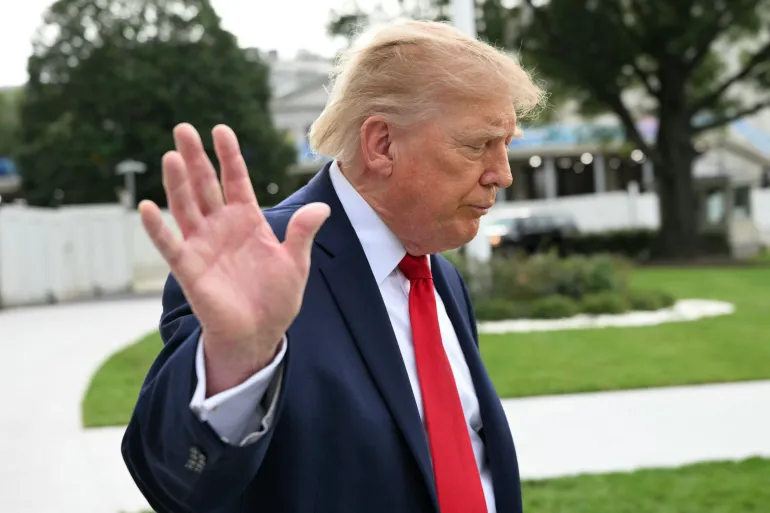
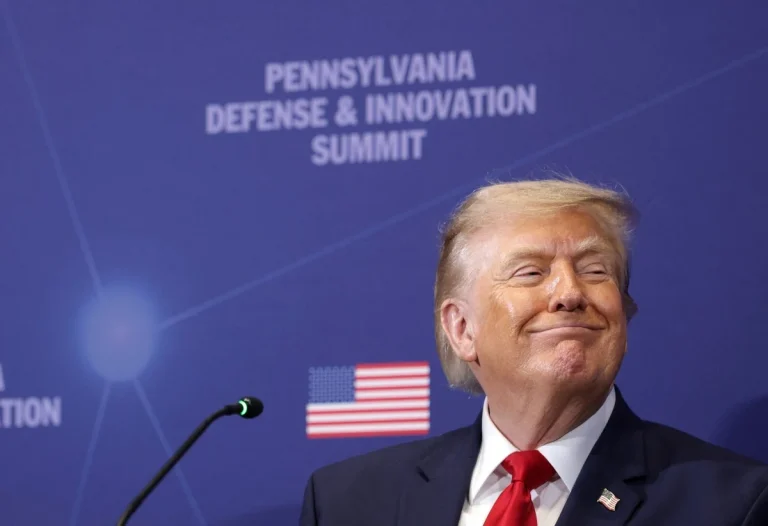
US Secretary of State Marco Rubio said on Tuesday that a peace agreement was still possible and stressed that the Strait of Hormuz would reopen “one way or the other”.
Oil markets reacted positively to renewed optimism surrounding the negotiations. Brent crude prices dropped five percent on Wednesday to $94.61 per barrel, although prices remain above pre-war levels.
Iranian authorities partially restored global internet access on Tuesday after a three-month shutdown imposed during the conflict.
“I do feel better now because I finally can use my favourite applications,” said Hana, a 20-year-old student in Tehran who gave only her first name.
“At the same time, I have this concern that war might resume any minute and just cut me off again from my friends.”
Amir, a 27-year-old software developer in Tehran, also expressed fears that the ceasefire could collapse.
“I feel like nothing is certain yet, even though the ceasefire is still ongoing and there is news of a possible agreement. But the daily question is, will there be missile strikes tonight?”
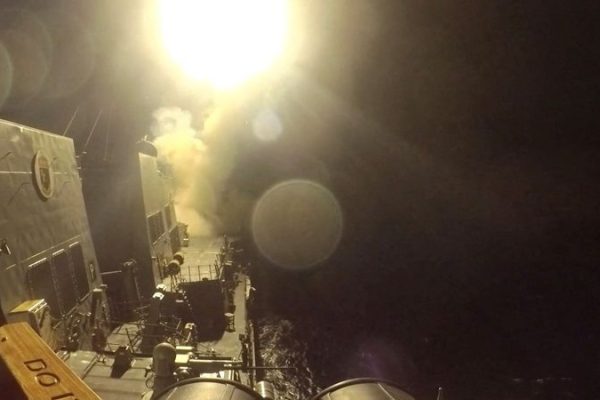
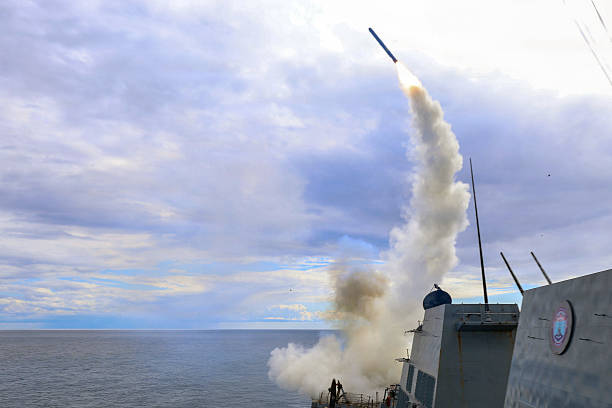
Tensions flared again overnight from Monday into Tuesday when the US military announced it had carried out “self-defence strikes”, without offering extensive details. Iran’s foreign ministry condemned the operation as a “gross violation of the ceasefire”.
Marking the beginning of the Eid al-Adha holiday, Iran’s supreme leader Ayatollah Mojtaba Khamenei said Washington was steadily losing influence in the Middle East. He also urged regional countries to stop hosting military bases used by the US.
The United States, he said, “in addition to no longer having any safe haven in the region for aggression and the establishment of military bases, is moving further and further away from its former position with each passing day”.
In southern Lebanon, Israeli airstrikes on Tuesday killed 31 people, including at least four children, according to Lebanese health authorities.
An AFP correspondent near the city of Tyre reported that rescue workers were still searching through rubble on Wednesday and carrying away victims in white body bags. Household items, including rugs and cushions, were scattered across the destroyed buildings.
Iran has insisted that any future peace agreement must also address the conflict in Lebanon, where an April 17 ceasefire has failed to fully end hostilities between Israel and Hezbollah.
Israeli Prime Minister Benjamin Netanyahu vowed on Monday to “crush” Hezbollah, while an Israeli military official told AFP that ground operations were expanding deeper into Lebanese territory.
Hezbollah later claimed its fighters engaged Israeli troops “at point-blank range” on Wednesday in a strategically important town north of the Litani River, beyond the Israeli-declared “yellow line” in southern Lebanon.