Iran has intensified defensive preparations on Kharg Island, deploying additional troops, air defense systems, and laying traps amid fears of a potential United States military operation, according to multiple sources familiar with American intelligence.
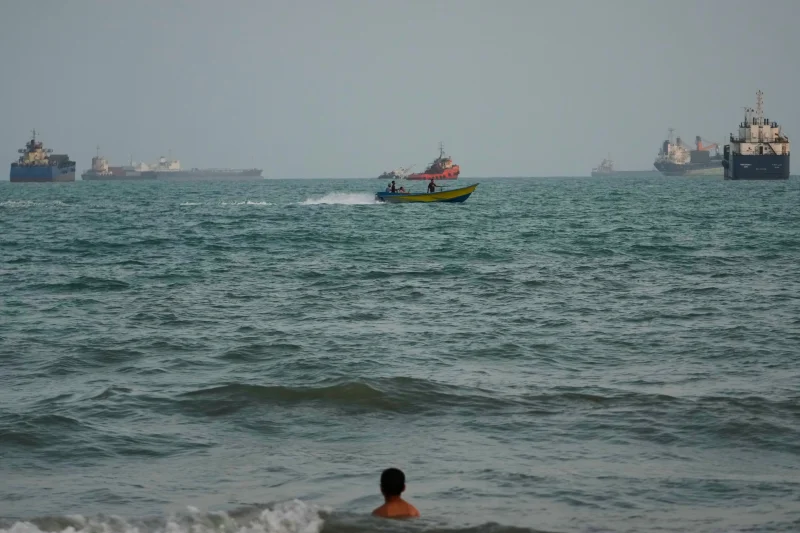
The administration of Donald Trump has been considering the option of seizing the strategically vital island, which handles about 90 percent of Iran’s crude exports, as leverage to pressure Tehran into reopening the Strait of Hormuz.
However, US officials and military analysts warn that such a move carries serious risks, particularly the likelihood of heavy casualties due to the island’s layered defenses.
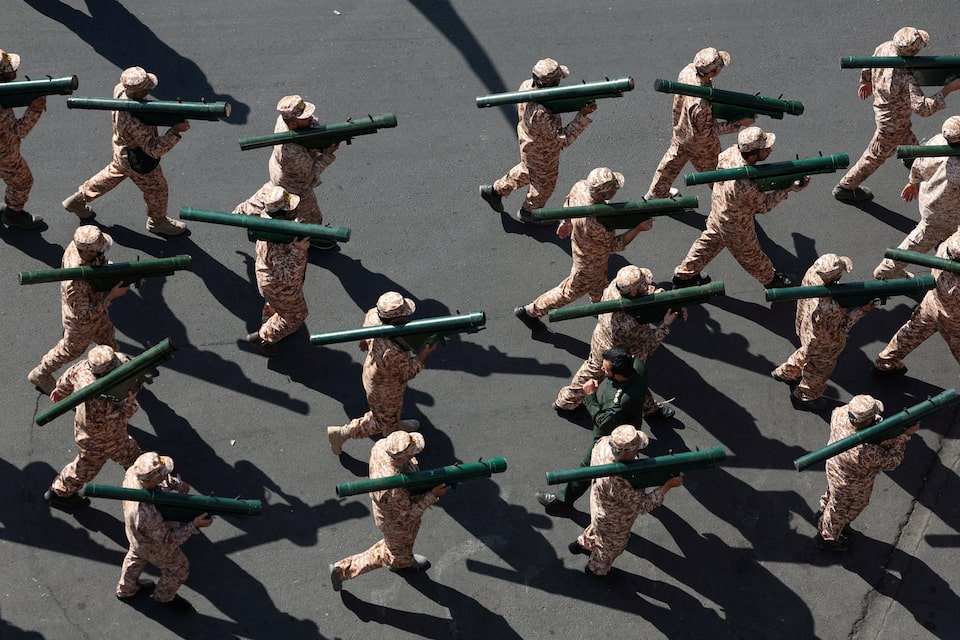
Recent intelligence indicates that Iran has reinforced Kharg with shoulder-fired surface-to-air missile systems, known as MANPADs, and has also planted anti-personnel and anti-armor mines, including along potential amphibious landing zones.
These measures are seen as part of a broader effort to counter any ground assault.
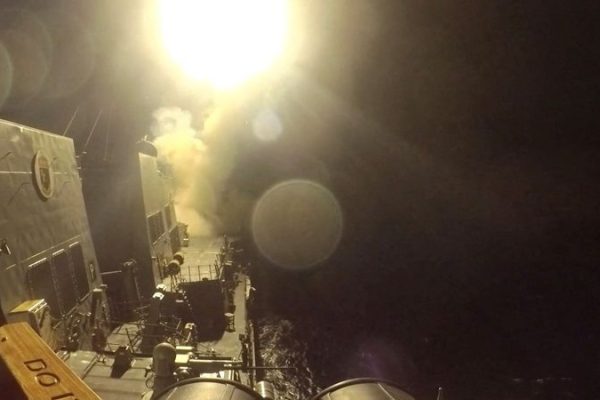
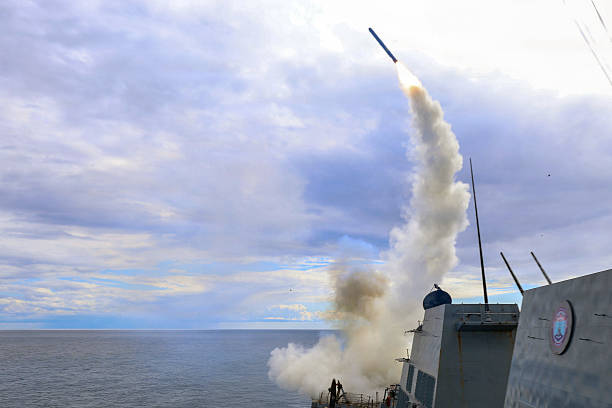
Despite earlier US strikes on March 13 targeting dozens of military sites on the island, experts say American forces would still face significant threats from Iranian ballistic missiles and drones, given Kharg’s proximity to the mainland. Concerns have also been raised by allies and within US circles about whether capturing the island would meaningfully address broader tensions in the region.
“I would be very worried about this,” said retired Adm. James Stavridis. “Iranians are clever and ruthless. They will do everything they can to inflict maximum casualties on US forces both on the ships at sea, and especially once ground troops are anywhere in their sovereign territory.”
An Israeli source echoed similar fears, warning that any attempt to take control of Kharg could expose US troops to deadly drone and missile attacks.
“The hope is that they won’t take that risk and will instead fire at the oil fields, but there is no way to know,” the source said.
Meanwhile, Iran’s parliamentary speaker, Mohammad Bagher Ghalibaf, issued a stern warning to perceived adversaries, suggesting that any move to occupy Iranian territory would provoke severe retaliation.
“Based on some data, Iran’s enemies, with the support of one of the regional countries, are preparing to occupy one of the Iranian islands,” Ghalibaf posted on X. “All enemy movements are under the full surveillance of our armed forces. If they step out of line, all the vital infrastructure of that regional country will, without restriction, become the target of relentless attacks.”
He added earlier, “We are closely monitoring all US movements in the region, especially troop deployments.”
Military planning sources say any operation to seize Kharg would likely involve US Marine Expeditionary Units, supported by amphibious ships and aviation assets, alongside elements of the 82nd Airborne Division.
However, analysts note that the island’s size and fortifications would require a substantial force and expose troops to intense resistance.
Regional allies are also urging caution, warning that a ground invasion could escalate the conflict, trigger retaliatory strikes on critical infrastructure, and prolong instability.
Instead, some experts, including Stavridis, have suggested alternative strategies such as an offshore blockade to restrict Iran’s oil exports without committing troops on the ground.
“This could be done without actually putting troops ashore,” he said.