A potential breakthrough in strained US–Iran relations now appears to depend on Washington agreeing to release billions of dollars in frozen Iranian funds, according to a senior Iranian official in an interview with CNN.
Mohsen Rezaei, military adviser to Iran’s Supreme Leader Ayatollah Mojtaba Khamenei, told CNN on Friday in Tehran that negotiations remain stuck and only direct action from US President Donald Trump could move the process forward.
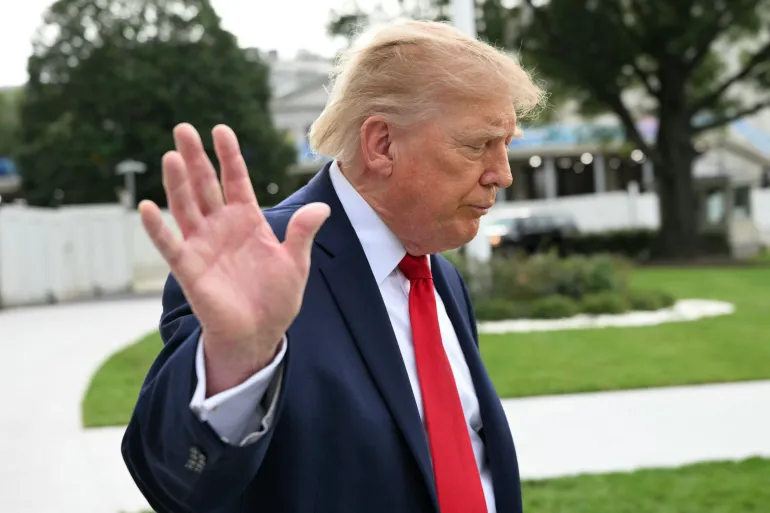
“The negotiations are at a deadlock and (US President Donald) Trump must break this deadlock,” Rezaei said, adding, “The ball is in Trump’s court.”
Iran ties agreement to frozen assets
Rezaei said a proposed deal centres on the release of $24 billion in Iranian assets currently frozen abroad.
According to him, Tehran is demanding an initial $12 billion once a preliminary agreement is reached, with another $12 billion to follow at a later stage.
He framed the funds as a test of trust between both sides, insisting the money belongs to Iran.
“If he (Trump) wants to reach an agreement with Iran, this $24 billion is a test of trust that Iran wants to have with Trump – this is a test that America must pass and the path will be opened,” he said. “This is our own money, not America’s money.”
US officials, however, are wary that unfreezing the assets too early could weaken Washington’s leverage in the talks. Trump has reportedly pushed for any agreement to go beyond the 2015 nuclear deal and has opposed any arrangement that could resemble direct cash transfers to Tehran, a point he has criticised in relation to past US administrations.
Warning of wider conflict
Rezaei also issued a stark warning about the consequences of renewed hostilities, saying Iran could expand the conflict beyond the Gulf region if attacked again.
“Warning against return to war: He framed the demand as a trust-building measure, saying the Trump administration’s potential release of the funds would be “a new horizon for the future” of Iran and America: “If he (Trump) wants to reach an agreement with Iran, this $24 billion is a test of trust that Iran wants to have with Trump – this is a test that America must pass and the path will be opened,” he said. “This is our own money, not America’s money.”
He further warned of escalation across multiple strategic waterways if conflict resumes.
“We will give another dimension to the war by attacking these other American bases that we have been attacking so far,” he said, adding that “the possibility of war is low.”
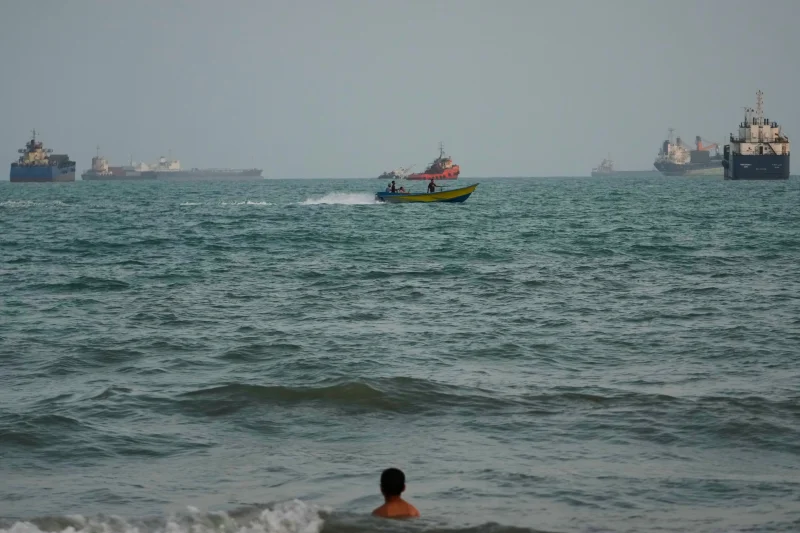
The Iranian official also reiterated Tehran’s position on the Strait of Hormuz, saying Iran and Oman jointly manage the waterway and suggesting a maintenance-based fee structure for passage.
He avoided describing it as a toll but insisted Iran should not bear the cost of managing the strategically vital route, through which a significant share of global oil and gas trade flows.
Asked about the possibility of a direct meeting between Trump and Iran’s leadership, Rezaei dismissed the idea, saying internal conditions were not yet suitable.
“This will not happen, right now we are in the first stage of negotiations and Mr. Trump has brought the negotiations to a standstill. This will not happen.”
Trump had recently suggested warmer relations with Tehran and even expressed openness to meeting Iran’s supreme leader, though Rezaei rejected that prospect.
Background and broader context
A veteran of the Iran–Iraq war and former commander of the Islamic Revolutionary Guard Corps, Rezaei is considered part of Iran’s security establishment and later served in senior political roles, including as a vice president and member of the Expediency Council.
He also cast doubt on the durability of any future nuclear agreement with Trump, referencing the US withdrawal from the 2015 deal and accusing Washington of inconsistency in negotiations.
If diplomacy collapses, he warned Iran is prepared for escalation, including the possibility of a US ground invasion.
“then the world will understand Iran’s true capabilities, because our land power is many times greater than our missiles.”
He added that Iran views its recent conflict history as a turning point in its military standing.
“This is the first time Iran has emerged victorious in wars, while in previous wars Iran has always been defeated,” he said.