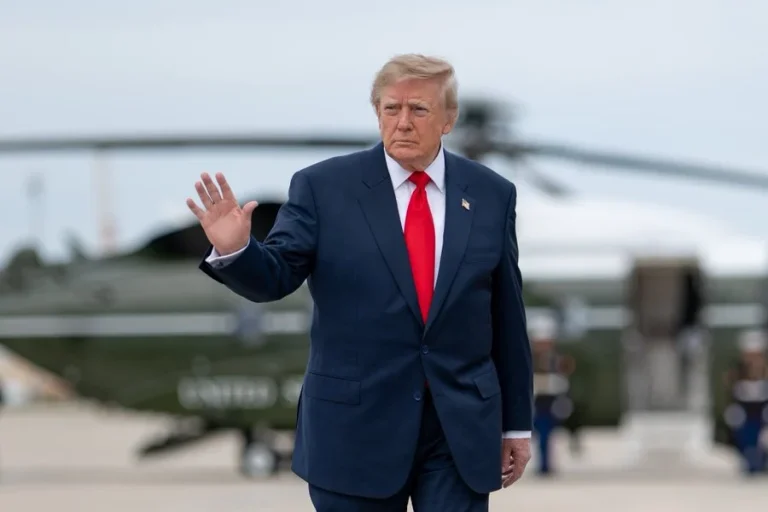
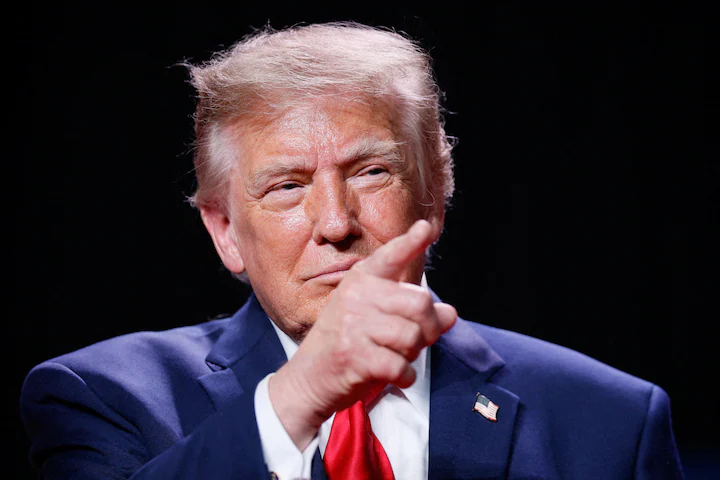
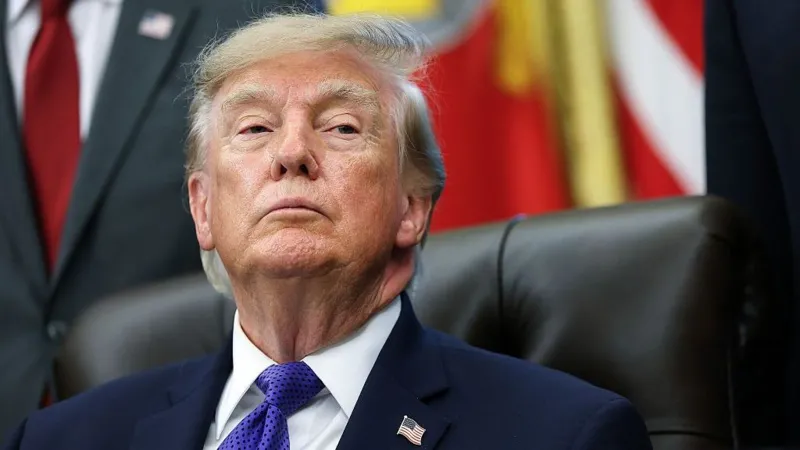
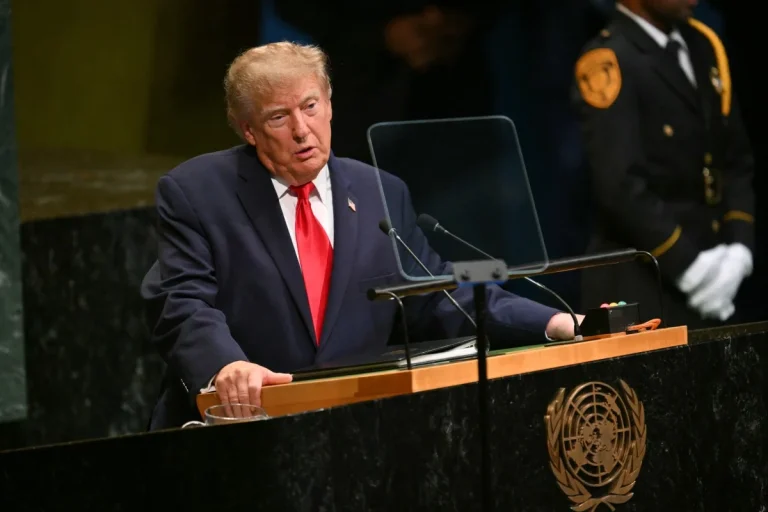
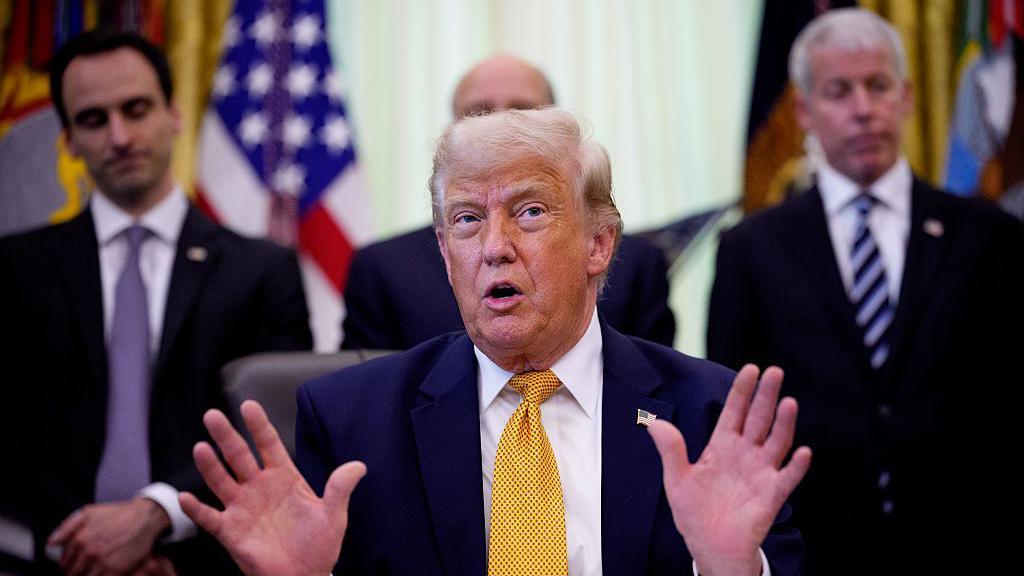
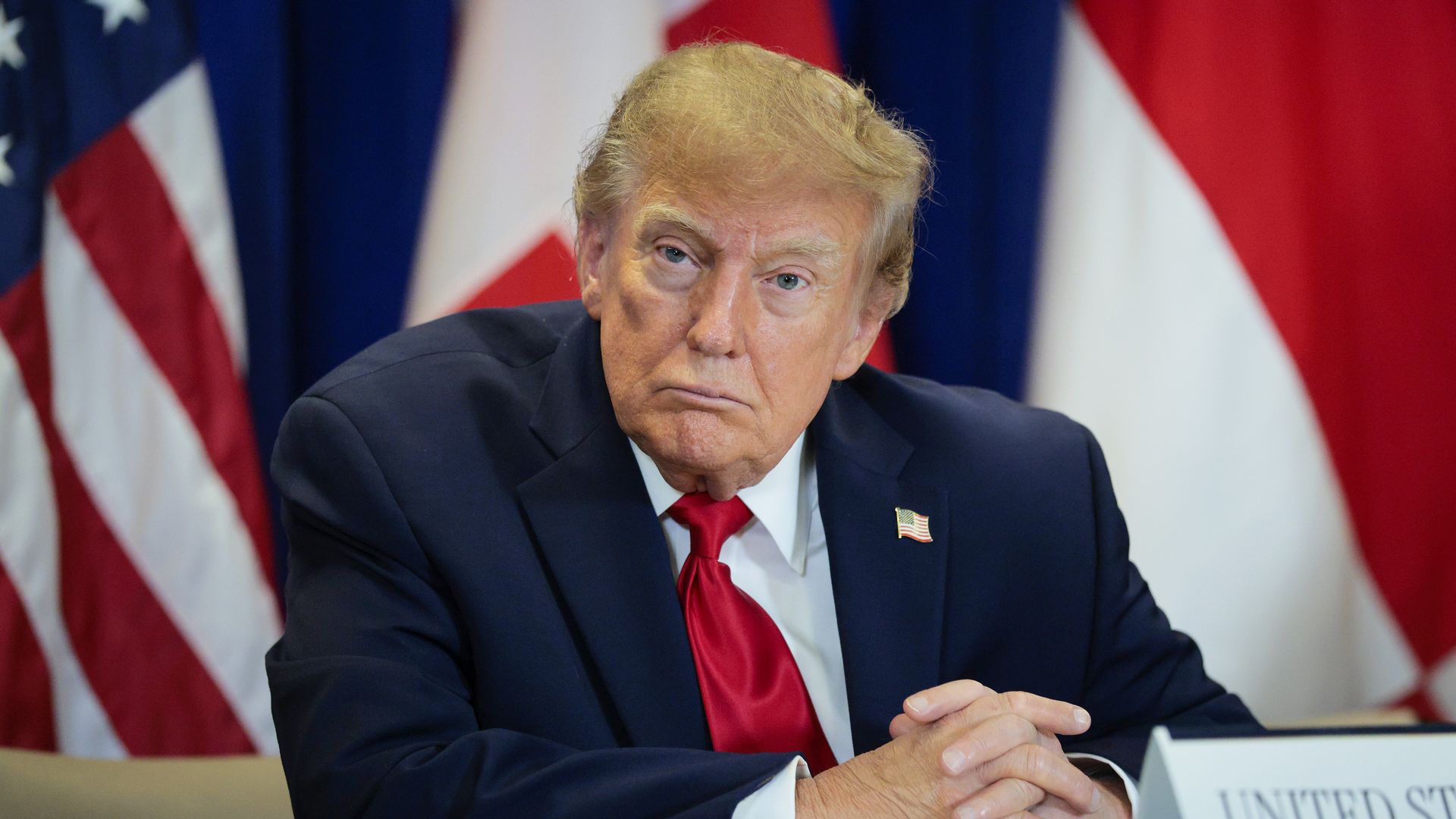
United States President, Donald Trump, has declared he feels compelled to take legal action against the BBC over its editing of one of his speeches, as a deadline nears for the broadcaster to respond to his billion-dollar threat.
Trump accused the corporation of “defrauding the public” in a Panorama episode aired last year, which he says manipulated two separate portions of his speech from 6 January 2021.
The BBC has until Friday to respond to the Florida court filing.
The controversy is widely viewed as a key factor behind the surprise resignations of BBC Director General, Tim Davie and BBC News head Deborah Turness on Sunday.
The BBC has already issued an apology for the episode, acknowledging that it “gave the impression that President Trump had made a direct call for violent action.”
Now, the broadcaster faces a delicate decision on how to respond to Trump’s legal threat.
Trump reiterated his intention to pursue the case in a Fox News interview. “I think I have an obligation to do it, you can’t allow people to do that,” he said. “I guess I have to. They defrauded the public and they’ve admitted it. This is within one of our great allies, supposedly our great ally.
“That’s a pretty sad event. They actually changed my January 6 speech, which was a beautiful speech, which was a very calming speech, and they made it sound radical. They showed me the results of how they butchered it up. It was very dishonest and the head man quit and a lot of the other people quit.”
The Panorama documentary, which aired a week before the US election, stitched together clips from Trump’s 6 January speech, giving the impression he told the crowd, “We’re going to walk down to the Capitol and I’ll be there with you, and we fight. We fight like hell.” These words were taken from points in the speech nearly an hour apart.
Legal analysts have questioned the likelihood of Trump prevailing, citing Florida’s lenient libel laws and noting that the Panorama episode was not accessible in the state.
Nonetheless, the BBC faces a tough decision on whether to contest such a high-profile case, especially considering that other US broadcasters targeted by Trump have opted to settle outside court.
For the licence-fee-funded BBC, any settlement could be politically damaging.
The edit was also criticized in a memo by Michael Prescott, a former independent adviser to the BBC’s editorial guidelines and standards committee, who left his role over the summer.
According to Prescott, senior editors had been challenged months earlier about the show’s editing but failed to take corrective action.
While there is frustration within the BBC over the Panorama programme, there is also caution about the political nature of Prescott’s memo, which raises claims of liberal bias across several years.
The BBC maintains that some issues are historical, with steps already taken on others. Prescott insists that his memo had no political motivation.