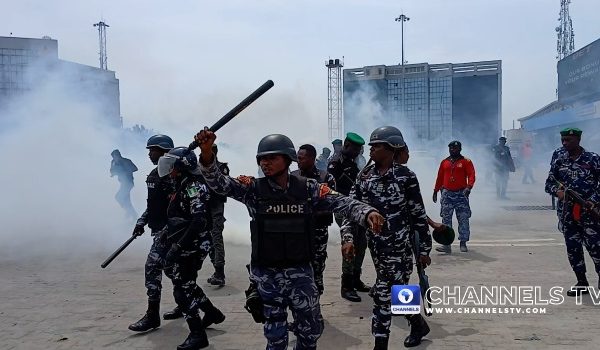
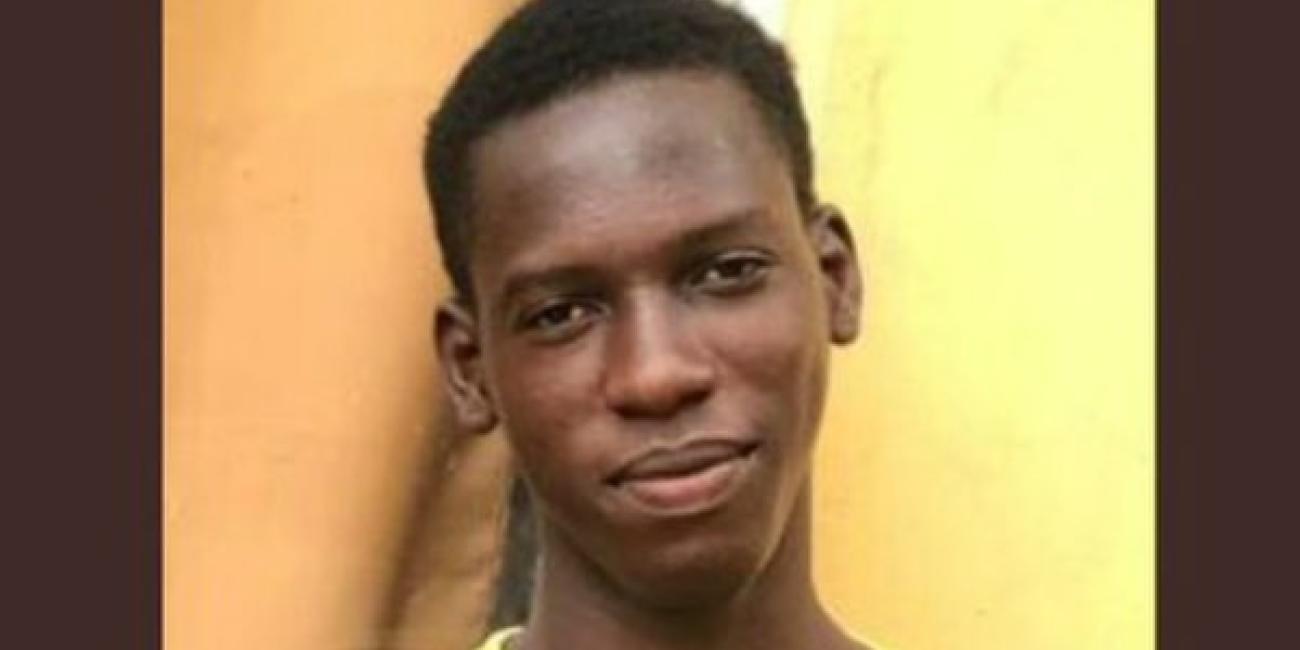
A 23-year-old Nigerian who spent over five years in detention after being arrested during the October 2020 #EndSARS protests, Wasiu Rasheed, has regained his freedom, recounting his painful journey from arrest to eventual acquittal.
Rasheed, who was just 17 when he was picked up by security operatives, was discharged and acquitted by a Lagos court three weeks ago after years of prolonged detention without resolution.
In an emotional account, he narrated how his ordeal began on October 20, 2020, in the Zamura area of Lagos. He had set out for a painting job but turned back after hearing about unrest in parts of the state. On returning home, his mother urged him to stay indoors as tensions escalated in the neighbourhood.
However, he briefly stepped outside, only to be arrested by members of the Oodua People’s Congress, alongside others accused of participating in the violence.
“If I had listened to my mother that day, I wouldn’t have become a victim. She warned me not to go out, but I didn’t listen,” he said.
Despite his mother’s pleas and insistence on his innocence, Rasheed was taken away, first to a military facility where he was detained for two months, before being transferred to Kirikiri Correctional Centre. He said he was initially accused of street violence, but the charge was later changed to unlawful possession of firearms when he was eventually brought before a court.
Describing life in prison as the “worst years” of his life, Rasheed spoke of harsh conditions, overcrowding, and neglect.
“Prison is extremely hard if you don’t have money. If you do, you can survive a bit better—get a bed, better treatment, even medication,” he said.
He revealed that about 50 inmates were crammed into a small cell, while food was poor and often inedible.
“The beans had stones in them, and if you refused to eat, you could be beaten. There was no proper care, and everything about the place was harsh,” he added.
To cope, Rasheed said he engaged in small tasks within the prison, including washing clothes and running errands, just to earn money for basic survival.
He also lamented the slow pace of justice, noting that his court appearances were infrequent and often unproductive.
“Sometimes I would go to court, and my case wouldn’t even be mentioned. Then they would take me back to prison,” he said.
In 2025, he appeared in court only once. However, in early 2026, his case finally progressed.
“I kept praying. When they called my case in March, my cellmates prayed for me too. That day, the judge set me free,” he recounted.
His release was facilitated by the Take It Back Movement, a Lagos-based advocacy group. The group explained that delays in his case were partly due to the death of his initial lawyer, which stalled proceedings until another counsel took over.
Now free, Rasheed faces another emotional challenge—he has been unable to locate his mother. Returning to his former residence, he was told she had moved away after facing threats and emotional distress following his arrest.
“I haven’t seen my mother since that day. I’ve been searching for her. I’m worried because she wasn’t well before I was taken,” he said.
Neighbours reportedly told him that his arrest had a severe impact on her health and mental state.
Despite everything, Rasheed remains hopeful about rebuilding his life. Before his arrest, he was learning tailoring and working as a painter. He now hopes to return to those trades and build a better future.
“I learned many things in prison—how to cook, how to read, and even business skills. I want to use them positively,” he said.
“I have my hands and legs. I’m ready to work.”