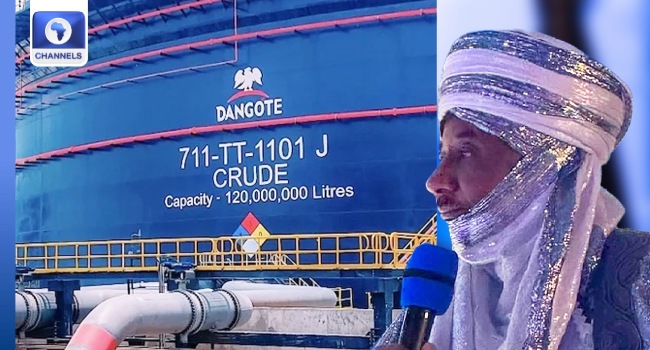
The Economic Community of West African States, has appointed Africa’s leading industrialist, Aliko Dangote, as the pioneer chairperson of its newly established Business Council, in a move aimed at boosting private sector-led growth and strengthening economic integration across the region.
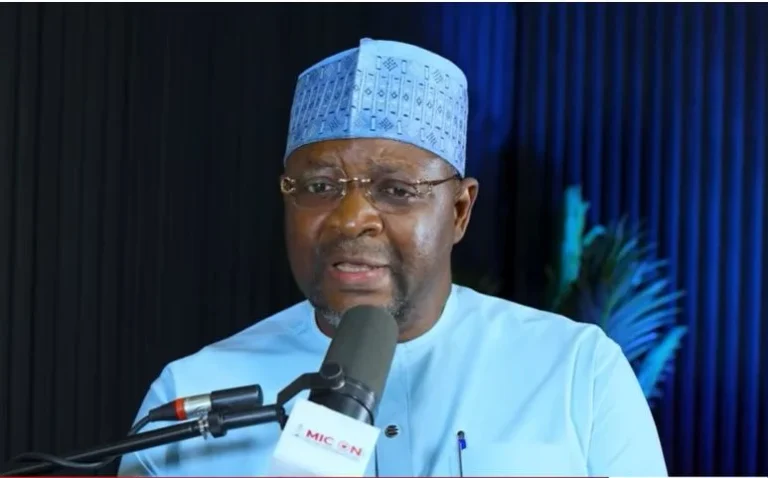
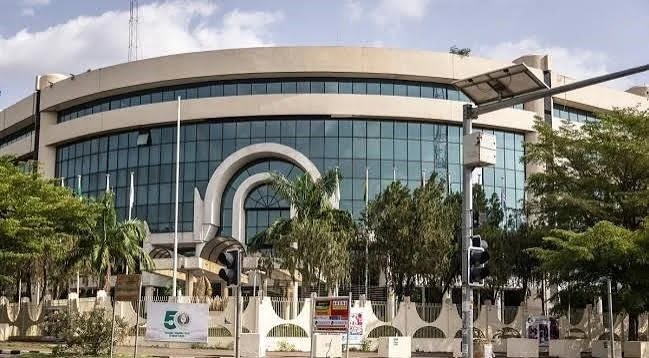
The announcement was made on Wednesday in Abuja by the President of the ECOWAS Commission, Omar Alieu Touray, during the 95th Ordinary Session of the ECOWAS Council of Ministers.
Touray said the council is designed to serve as a structured platform for engaging private sector stakeholders in advancing regional development and reducing dependence on foreign capital.
“We are moving forward with the operationalisation of the ECOWAS Business Council, and we have identified Alhaji Aliko Dangote as its pioneer chairperson, in view of his vast experience doing business within our subregion and across Africa,” Touray stated.
According to him, the council will act as a bridge between governments, ECOWAS institutions and private investors, helping to align business interests with the region’s integration agenda.
“Through the council, we hope to bring private sector actors around the table as we discuss economic integration and the development of our region,” he said.
“It will facilitate dialogue and partnership between the private sector, governments and ECOWAS institutions.”
Touray stressed that ECOWAS is prioritising intra-regional investment as a more sustainable option for economic resilience.
“This appetite for intra-regional investment underscores the need to mobilise capital within our region to build our community, rather than waiting for precarious foreign investments,” he noted.
“With the kind of investments we have seen from the likes of Alhaji Dangote, our regional private sector actors can lead the way if given the right incentives and opportunities.”
He also raised concerns about financial challenges confronting the West African Power Pool, particularly debts owed by national electricity companies, and urged member states to support recovery efforts as part of broader economic reforms.
Beyond private sector mobilisation, Touray said ECOWAS remains focused on regional resilience, monetary integration and the activation of a regional force to tackle terrorism, adding that updates on budgets, audits and work programmes were presented for consideration.
“It is our hope that your deliberations will pave the way for a region that is self-sufficient, less vulnerable to external shocks and free from external control,” he said.
Also speaking, Sierra Leone’s Minister of Foreign Affairs and Chairperson of the ECOWAS Council of Ministers, Timothy Kabba, called for stronger cooperation among member states in tackling economic, security and democratic challenges.
“This meeting reaffirms our steadfast dedication to regional cooperation, guided by our collective vision of an integrated and prosperous West Africa,” Kabba said.
Marking the 50th anniversary of the Treaty of Lagos, ECOWAS’ founding document, Kabba emphasised the central role of the private sector in driving economic integration.
“We must persist in fostering an environment conducive to private sector growth, which remains the principal catalyst of our economic integration agenda,” he said, while calling for increased intra-regional trade, better transport and energy connectivity, and effective use of the African Continental Free Trade Area.
In her remarks, Nigeria’s Minister of State for Foreign Affairs, Ambassador Bianca Odumegwu-Ojukwu, warned that political instability and unconstitutional changes of government continue to threaten democratic values and development gains in the region.
“These situations undermine citizen confidence and weaken the regional cohesion that has defined ECOWAS for half a century,” she said.
She urged member states to defend constitutional order, promote inclusive political dialogue and support credible political transitions.
On economic integration, Odumegwu-Ojukwu highlighted the need to deepen intra-regional trade and create opportunities for young people.
“Our region’s future depends on strengthening value chains, facilitating investment and creating opportunities for over 400 million people—especially young people, who make up about 65 per cent of our population,” she said.