Iran’s security chief, Mohsen Rezaei, has warned that Tehran would attack American military bases outside the Middle East, including those in Europe, if they are used to launch strikes against Iran.
Rezaei issued the threat during an interview with Lebanon-based Al Mayadeen TV broadcast on Wednesday, saying Iran would retaliate against any US military installation involved in attacks on the Islamic Republic.
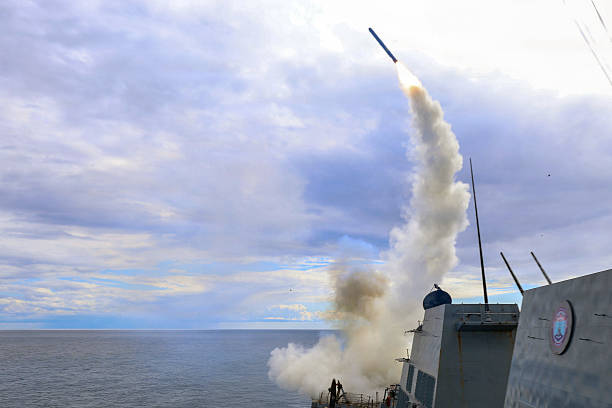
“If American aircraft take off from an American military base, even one located in a European country or some other distant region, to bomb Iran, we will strike those bases as well,” Rezaei said.
He further warned that Tehran’s response could extend to American military facilities far beyond the region, including locations Washington considers safe from Iranian missiles.
He added that Iran’s response would “target America’s more distant military installations,” and potentially “certain islands that they assume are beyond the reach of our missiles.”
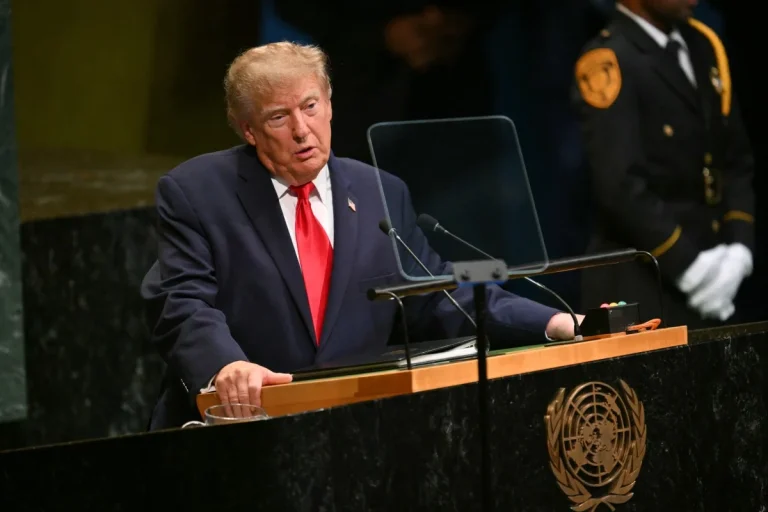
The conflict in the Middle East began on February 28 following US-Israeli strikes that killed Iran’s Supreme Leader, Ayatollah Ali Khamenei.
Iran subsequently launched missiles and drones at several countries across the region, while militant groups backed by Tehran in Lebanon, Yemen and Iraq also joined the conflict.
Diplomatic initiatives spearheaded by Qatar and Pakistan are ongoing, with both countries seeking to broker an agreement to end the hostilities.
Meanwhile, Washington has seemingly softened its stance on further military action against Iran following the defeat of President Donald Trump’s Republican Party in the recent midterm elections. The war has reportedly become increasingly unpopular among Americans.
On Tuesday, US Secretary of State Marco Rubio said another attack on Iran was unnecessary, pointing to what he described as successful efforts to weaken the country’s economy.
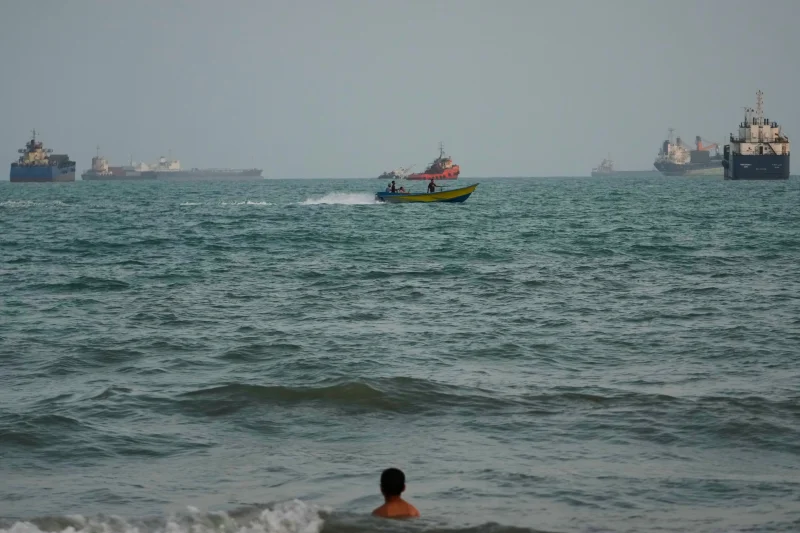
Tehran, however, has maintained that Washington must meet its demands, including the unfreezing of Iranian assets and the lifting of sanctions, in exchange for reopening the Strait of Hormuz, a critical global energy route that Iran has blockaded since the conflict began.
Past threats
Iranian officials have previously warned that any renewed US attack could widen the geographical scope of the war.
In late September, an adviser to Iran’s new Supreme Leader, Mojtaba Khamenei, suggested that the conflict could “expand even further, reaching the Indian Ocean and perhaps beyond.”
The Indian Ocean hosts Diego Garcia, a strategically important US-British military base located nearly 4,000 kilometres (2,500 miles) from Iran. In March, Iran fired two missiles towards the installation, with one falling short and the other intercepted, according to Britain.
Also in September, a suspected plot linked to Tehran targeting Britain’s RAF Fairford airbase was disrupted after a local farmer reported seeing individuals engaged in suspicious activities.
The facility has been used by the US military for operations against Iran.
The US Justice Department on Tuesday announced charges against three men it identified as Iranian operatives over their alleged involvement in the incident, including one who was already in custody.
The nuclear programme of Iran has remained a central point of contention between Tehran, Washington and Israel, with the latter two repeatedly citing it as part of their justification for the war.
However, Rezaei said during Wednesday’s interview that the nuclear issue was “not currently” part of the negotiations.
He also said Tehran had established clear red lines, including its refusal to transfer any quantity of enriched nuclear material outside the country.
Iran’s nuclear programme, particularly its stockpile of uranium enriched to 60 per cent purity, has remained a major source of international concern.
The level is close to the 90 per cent enrichment generally required for weapons-grade uranium.