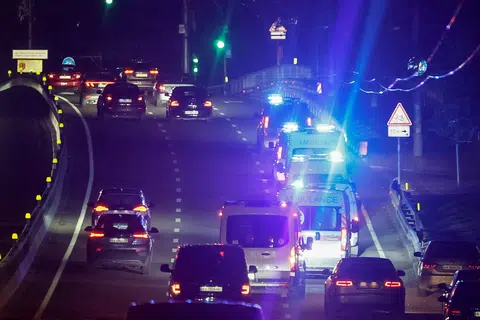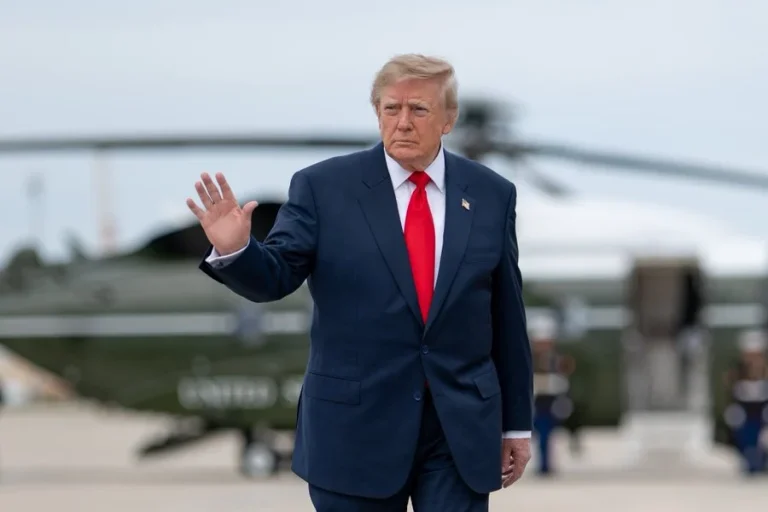
Russian and Ukrainian officials are set to begin two-day peace negotiations in Abu Dhabi, United Arab Emirates, on Tuesday, following renewed diplomatic efforts by US President Donald Trump, who believes a comprehensive agreement to end the four-and-a-half-year war could be reached.
The talks, the first between the two countries since February, will be mediated by the United States, with European officials from France, Germany and the European Commission expected to participate in separate engagements.
However, Russia has opposed direct European involvement in the negotiations.
Ukrainian officials said their delegation would separately brief European allies on the discussions, which are scheduled to commence at about 6.30am Irish time.
The head of Ukraine’s delegation, Rustem Umerov, said, “We are doing everything to ensure that Europe is a participant in the diplomatic process.”
Russia’s negotiating team will again be led by Kremlin aide Vladimir Medinsky.
Deputy Foreign Minister Sergei Ryabkov and senior military officer Yuri Zhigarlovsky are also expected to join the delegation.
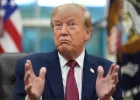
Trump expressed optimism about the possibility of a peace agreement after holding a private meeting with Russian President Vladimir Putin’s envoy at the White House last week.
The US president has repeatedly predicted that the conflict could soon end, although previous efforts have failed to produce a lasting settlement.
Negotiations have gained momentum in recent weeks after Washington shifted its attention to the war in Iran.
However, Moscow has maintained its demand that Ukraine surrender the entire eastern Donbas region before a peace deal can be concluded.
Ukrainian President Volodymyr Zelensky has rejected the proposal, insisting that Kyiv would not relinquish territories defended by its troops.
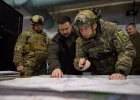
He also argued that Ukraine’s recent military performance, including the recapture of some areas in Donetsk, had strengthened its position ahead of the talks.
In his nightly address on Monday, Zelensky said, “Ukrainian forces are currently genuinely strengthening Ukraine’s negotiating position.”
He further claimed that Russia was experiencing “record losses”, a statement disputed by Moscow, while urging Washington to pressure the Kremlin into ending the conflict.
A US official told Reuters that American negotiators believed both Zelensky and Putin might be prepared to compromise on territorial issues, with each side potentially giving up some demands.
The proposed framework would reportedly offer Ukraine an end to the war, security guarantees and a roadmap towards European Union membership.
However, a senior Ukrainian official firmly denied that Kyiv was prepared to make territorial concessions.
According to the official, territorial questions could only be addressed at a meeting between the two presidents and in conjunction with appropriate security guarantees for Ukraine.
Security Deal
A ceasefire agreement on attacks against energy infrastructure announced by Trump last month collapsed shortly after it was reached, with both sides continuing military operations.
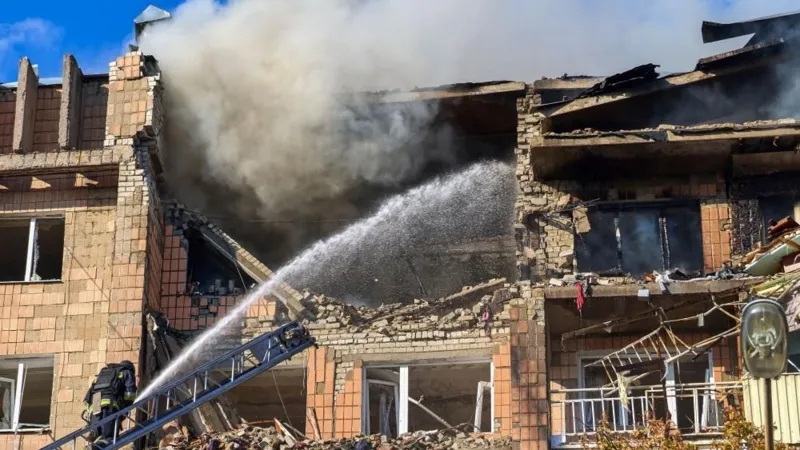
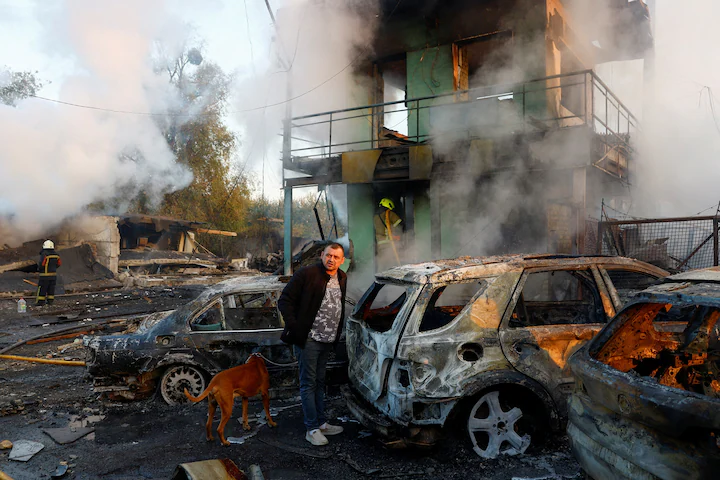
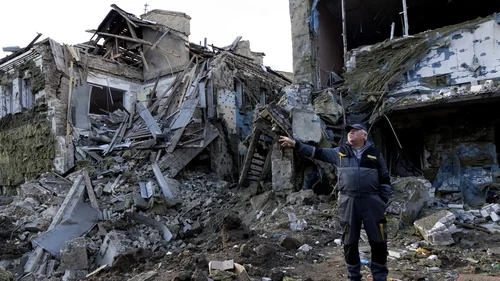
Ukraine has intensified attacks on Russian oil refineries in recent weeks, while Russia has continued strikes against Ukrainian cities and electricity infrastructure.
Trump disclosed last week that discussions were underway on a broader security arrangement that could extend beyond Ukraine to cover the entire European continent.
“It’s going to be a big agreement, and it’s going to involve more than Ukraine … I could even say it might involve all of Europe,” Mr Trump said.
The proposal triggered objections from some European leaders, who argued that decisions concerning the continent’s security must involve the governments directly affected.
They also rejected the idea of Russia influencing European security policies.
Before its full-scale invasion of Ukraine in February 2022, Russia had demanded that NATO withdraw forces from countries that joined the alliance after 1997.
NATO rejected the demand.
Trump’s son-in-law and Ukraine special envoy, Jared Kushner, alongside other American officials, held discussions with NATO, the European Union and key European powers in Brussels last week.
The meetings focused on possible security guarantees for Ukraine.
G7 foreign ministers are also expected to deliberate on the conflict during the second day of their meeting in Paris, with Ukrainian Foreign Minister Andrii Sybiha scheduled to participate.
US Secretary of State Marco Rubio said before leaving for France on Sunday that there had been “advances” in discussions about the structure of Europe’s security arrangements after the conflict.
Zelensky has also expressed optimism that the victory of Democrats in last week’s US midterm elections could lead to increased American support for Ukraine.
Since Trump assumed office, Washington has significantly reduced direct financial assistance to Kyiv, leaving European countries as the primary external financiers of Ukraine’s budget and military procurement.