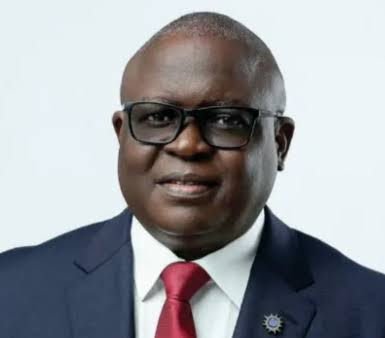
Nigeria’s Ambassador to Germany, Senator Ita Enang, has said Nigerians do not need university degrees to secure employment in Germany, noting that people with vocational and technical skills can also access job opportunities in the European country.
Enang identified driving, hospitality, welding, woodworking and construction among the sectors where Nigerians with relevant professional skills could find employment.
The ambassador made this known during an interview on Arise Television on Tuesday, urging Nigerians to look beyond university qualifications when exploring employment opportunities abroad.
He said the belief that only university graduates could work in Germany had prevented many skilled Nigerians from taking advantage of available opportunities.
According to him, practical experience and proficiency in specific trades could also make applicants eligible for employment.
He said, “It’s not only graduates that are entitled to employment in Germany or in Europe. If you are proficient in driving and you’ve been driving there for a long time, you are proceeding even in the hospitality industry, even in any field, in the woodworks, in welding, in the construction, the vocational, all the vocationals.
“This is what many Nigerians or many persons who take job there did not know, because they think that you must have a long, big certificate.”
Enang, however, identified visa access, professional qualifications and knowledge of the German language as major requirements that Nigerians must address to secure employment.
He noted that although some Nigerians were already occupying senior positions within the German system, their overall representation remained relatively low.
He said, “One of the things I found was that we don’t have many Nigerians working in that system. But those who are working, are working at the highest class.
“Having visa to go and work there, you also must learn and know the language. If you learn and know the language, you must have the profession.”
The envoy disclosed that he was personally learning German to improve his understanding of the country’s language and culture.
He also encouraged Nigerians to protect their indigenous languages, warning that some could disappear without deliberate efforts to preserve them.
Enang said he was engaging the German Africa Skilled Mobility Foundation and other institutions to establish more employment pathways for Nigerians.
He further disclosed that he had approached German authorities on the possibility of negotiating a labour migration agreement with Nigeria, similar to arrangements involving India and Kenya.
According to him, such agreements could provide structured opportunities for citizens to secure employment in Germany.
He said, “I asked them, how did you get the Indians to sign circular migration agreement, which allows them to have a certain number of their citizens employed in the economy? How did Kenyans have them sign the immigration agreement, the labour migration agreement, which allows them to have a certain number of people employed from their country into your economy?”
Enang said he had obtained details of the existing arrangements and was exploring how Nigeria could establish a similar framework.
He added that he had also engaged Germany’s Ambassador for Migration Cooperation, Dr Ludwig Jung, on the issue.
The ambassador further disclosed that he had obtained English versions of Germany’s immigration and labour laws, alongside relevant European Union legislation, to understand the legal requirements for Nigerian workers.
He said he was also collaborating with the German Academic Exchange Service and universities to examine their academic programmes and identify skills needed in Germany’s labour market.
According to him, the initiative would help Nigeria identify relevant training opportunities and improve its educational system to make it easier for Nigerians to acquire qualifications recognised in Germany.
Enang advised Nigerians interested in working in the country to consider learning the German language and exploring admission opportunities in German institutions.
He explained that qualifications obtained from the institutions would be assessed against the country’s educational and professional standards.
The envoy stressed that his initiative was not solely about facilitating employment abroad but also about ensuring that Nigerians acquired valuable skills they could bring back to contribute to the country’s development.
He said, “I’m not only working on taking Nigerians to be able to go and work there, I want them to be able to acquire skills and also bring them down here.”