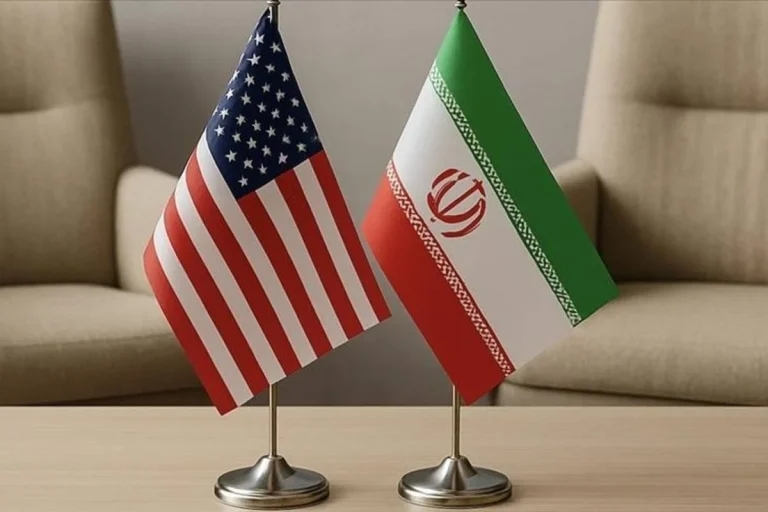
Iran has offered to reopen the Strait of Hormuz within 48 hours if the United States meets its demands, as US President Donald Trump threatened Tehran with further military action during a rally ahead of the midterm elections.
A senior Iranian official described the proposal as a demonstration of goodwill, following renewed diplomatic efforts by regional and international mediators to prevent another outbreak of hostilities.
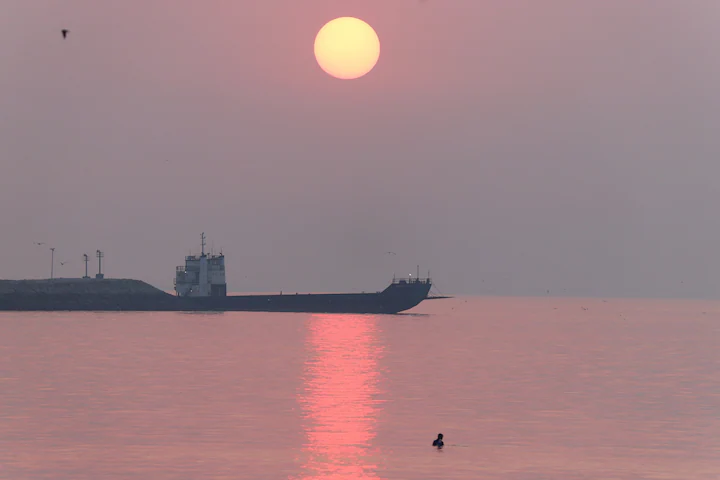
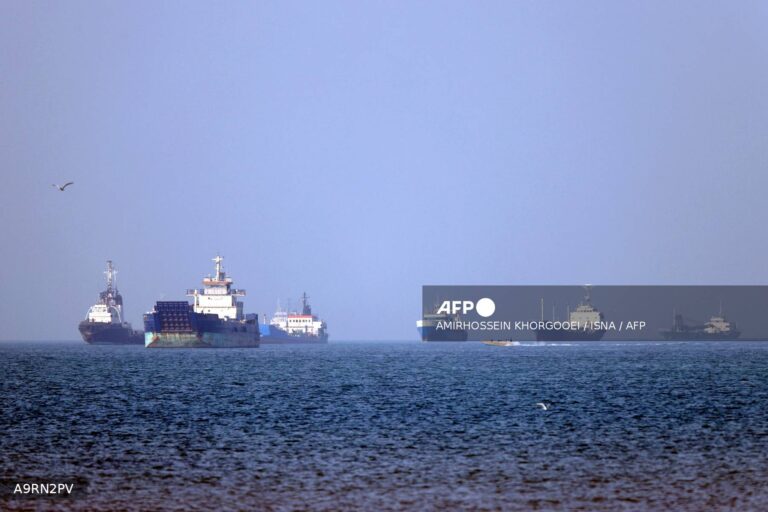
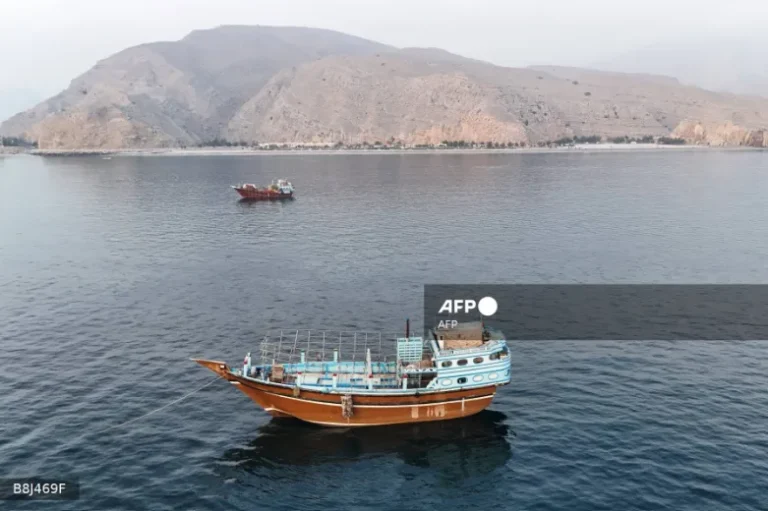
Iran has maintained a blockade of the strategic waterway since the war began in February, disrupting global energy supplies and driving up oil prices.
The Strait of Hormuz is a critical shipping route through which approximately one-fifth of the world’s oil consumption passes.
“The possibility of implementing this plan in two days is another indication of Iran’s good-faith approach,” foreign ministry spokesman Esmaeil Baqaei told reporters at a briefing.
“We have stated that, if Iran’s demands are met, it would be possible to restore security to the Strait of Hormuz and resume the negotiating process within a short period.”
Tehran had proposed a seven-day reopening plan in September, subject to Washington agreeing to conditions, including an end to the war on all fronts, the release of frozen Iranian assets, the lifting of oil sanctions and the termination of the US counter-blockade of Iranian ports.
Baqaei said Iran and the United States were communicating through intermediaries, stressing that the next steps would depend on Washington accepting Tehran’s conditions.
“Only then can we discuss the subsequent stages.”
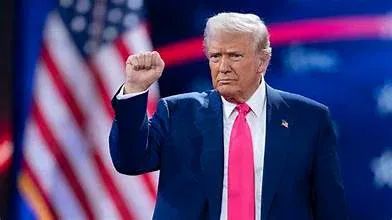
Trump, speaking at a campaign rally in Iowa ahead of Tuesday’s US midterm elections, adopted a hardline position against Iran, warning that the country could face severe military consequences.
“The only reason why I’m not finished with Iran is I want to be nice. I want to try and save all those lives if I can… But at some point we’re going to have to give them the hammer,” he told voters in Iowa.
The renewed diplomatic push has involved officials from Pakistan, Qatar, Saudi Arabia and Turkey, who have held discussions with Iranian authorities in recent days. US Vice President JD Vance has also reportedly sent a letter to Tehran.
Meanwhile, Oman’s ruler, Sultan Haitham bin Tariq, discussed the conflict with Chinese President Xi Jinping during a visit to Beijing on Monday.
According to an Omani foreign ministry statement, both leaders called for a diplomatic resolution and urged Washington and Tehran to avoid further military confrontation.
“The two sides called for resolving disputes through political and diplomatic means, urging the United States and Iran to pursue a peaceful path, achieve a ceasefire (and) prevent war entirely,” the statement said, adding that dialogue should resume “as soon as possible.”
China’s Foreign Minister Wang Yi also reaffirmed Beijing’s support for Iran’s sovereignty and security during talks with Ali Bagheri Kani, deputy secretary of Iran’s Supreme National Security Council.
“All parties should… in a spirit of reason and pragmatism, focus on a political solution rather than once again resorting to armed conflict,” Wang was cited as saying.
Bagheri, according to Iranian state television, maintained that Tehran would not compromise on its national security and territorial integrity.
“Tehran’s stance on defending its national security, sovereignty and territorial integrity remains unchanged, and that Iran will make no compromises in this regard,” he said.
In an interview with Al Jazeera released on Sunday, Iranian Foreign Minister Abbas Araghchi said the United States must accept a new transit arrangement agreed upon by Iran and Oman for passage through the strait.
He also demanded that Washington lift sanctions imposed in recent months and reduce its military presence in the region.
The US has imposed additional sanctions on Iran since August as part of what it described as “economic asphyxiation” of the country.
Trump’s latest threat comes amid continuing tensions between Washington and Tehran, following a joint US-Israeli attack on Iran that triggered the war on February 28.
On Saturday, Trump said he still needed to “take care” of one or two targets, including Pickaxe Mountain in central Iran, which is suspected of hosting a nuclear facility.
Tehran has denied that the site is a nuclear installation.
Responding to the threats, Baqaei warned that any fresh military action against Iran would attract a severe response.
“Any act of aggression against Iran, any military attack against Iran, by whatever means, will be met with a powerful, immediate and comprehensive response from us,” Baqaei said.
The escalating tensions come as the United States prepares for its midterm elections, with Democrats expected to secure at least partial control of Congress and potentially limit Trump’s political authority.
Iran had also warned on Sunday that a renewed conflict with the United States could last longer than the previous round of fighting, following Trump’s latest remarks about targeting additional sites.
Diplomatic efforts to end the Middle East conflict have continued amid repeated threats by the United States and Israel to resume military strikes as both sides face crucial elections.