Iran has cautioned that any attempt by the United States to intervene in the Strait of Hormuz would be treated as a violation of the ongoing Middle East ceasefire, following Washington’s announcement of plans to escort commercial vessels through the strategic waterway.
The warning comes amid stalled negotiations between both countries since a ceasefire took effect on April 8.
Tensions have remained high, particularly after Iran restricted movement through the strait in response to earlier US-Israeli strikes on Tehran.
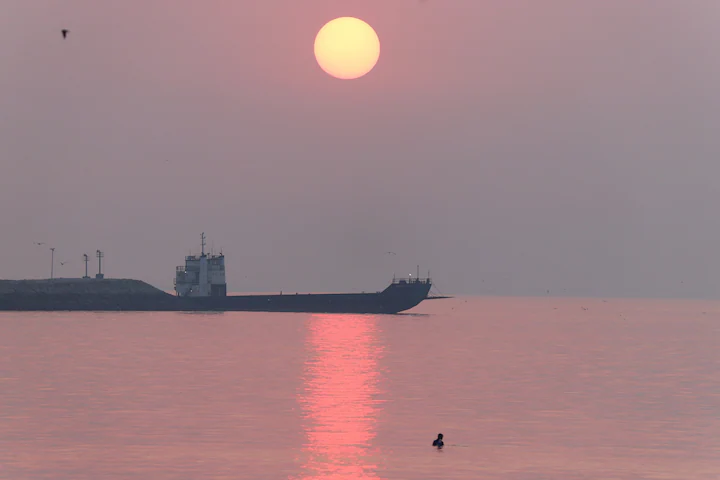
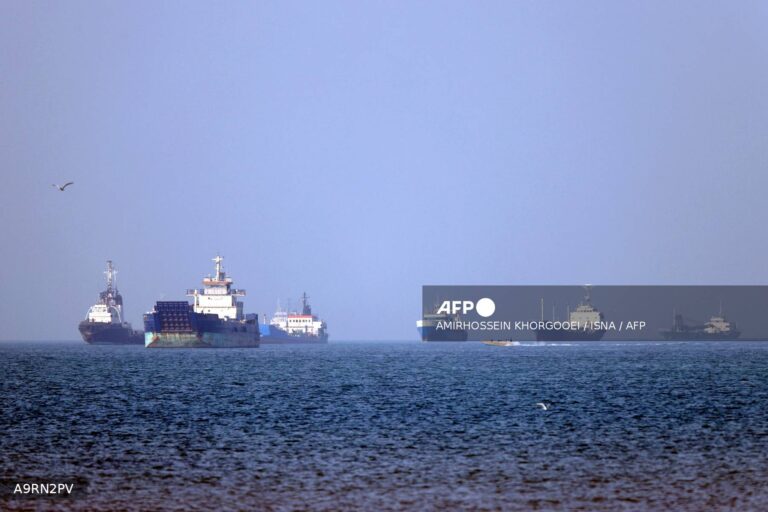
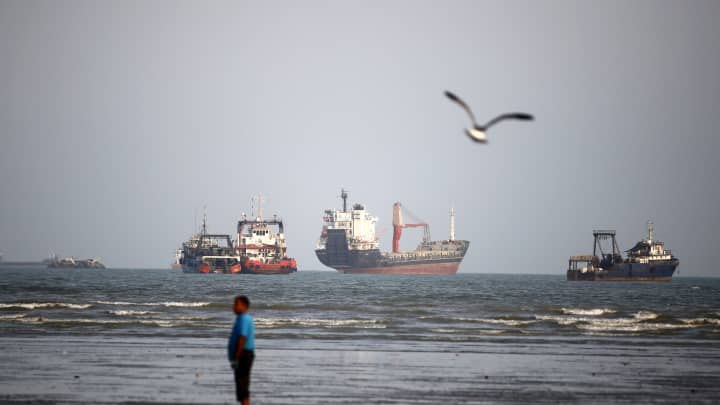
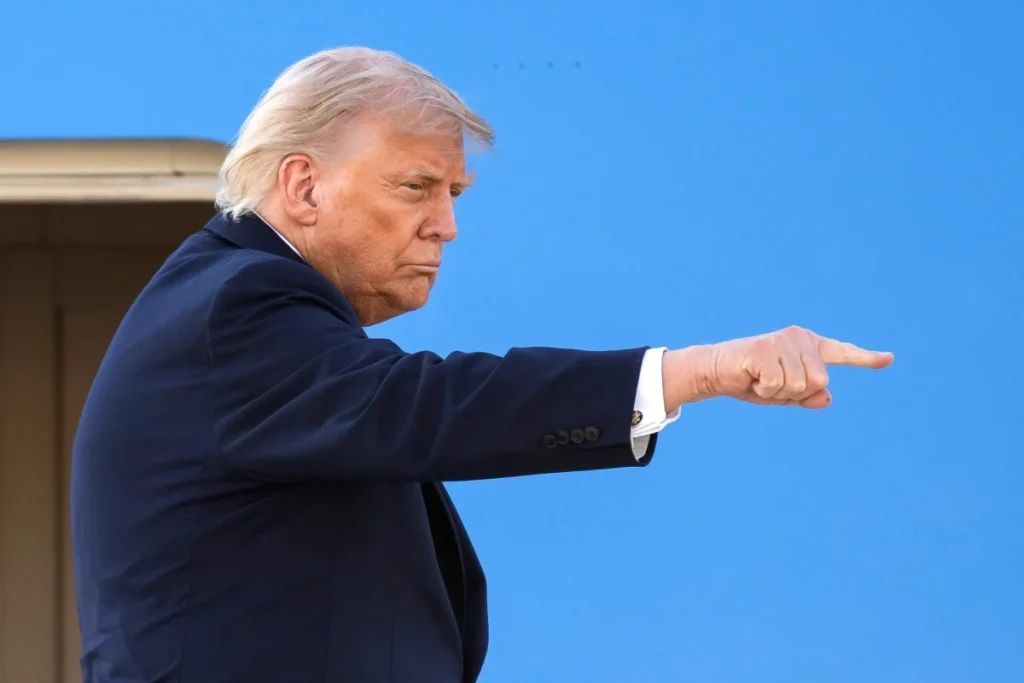
US President Donald Trump revealed that the proposed escort mission—named “Project Freedom”—is intended to ensure the safe passage of ships currently stranded in the area. He described the move as a humanitarian effort to assist crews reportedly running low on essential supplies.
“We will use our best efforts to get their ships and crews safely out of the Strait,” Trump said, adding that many vessels are unwilling to resume operations until navigation in the region is deemed safe.
However, Iranian officials have rejected the plan, insisting it undermines the ceasefire agreement.
A senior lawmaker and head of Iran’s parliamentary national security commission stated that “any American interference in the new maritime arrangement in the Strait of Hormuz will be regarded as a breach of the ceasefire.”
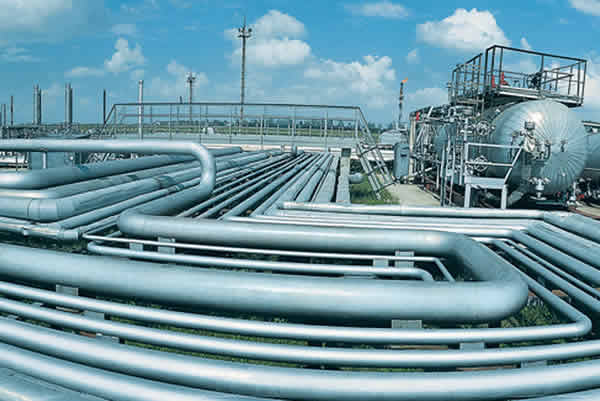
The Strait of Hormuz, a critical global shipping route, has seen major disruptions in the flow of oil, gas, and fertilisers due to the standoff. In response to Iran’s actions, the US has also enforced restrictions on Iranian ports, further escalating economic pressure.
The US military has indicated readiness to deploy significant resources for the escort mission, including guided-missile destroyers, over 100 aircraft, unmanned systems, and approximately 15,000 personnel.
Meanwhile, reports suggest Iran has proposed a one-month deadline for negotiations aimed at reopening the strait, lifting blockades, and ending hostilities.
Iranian military figures have also issued strong warnings, with one adviser to the Supreme Leader threatening retaliation against US naval forces.
“If the US interferes, it will face serious consequences,” the adviser warned, adding that Iran has the capability to target American warships.
European allies have expressed concern over the prolonged closure of the strait, citing its impact on global markets.
German officials have called for an immediate reopening and urged Iran to commit to a peaceful resolution, including assurances on its nuclear programme.
With oil prices already surging significantly due to supply disruptions, the situation in the Strait of Hormuz continues to pose serious risks to global economic stability.
Despite the heightened rhetoric, both sides have indicated that diplomatic discussions are still ongoing, raising cautious hopes for a negotiated outcome.