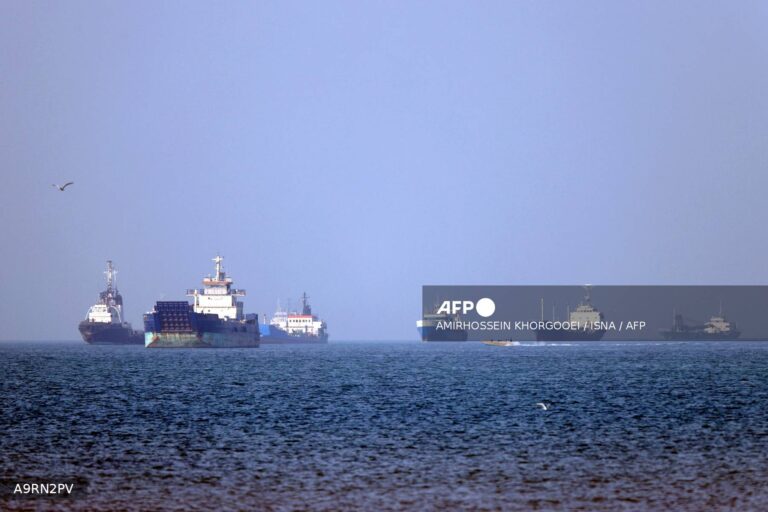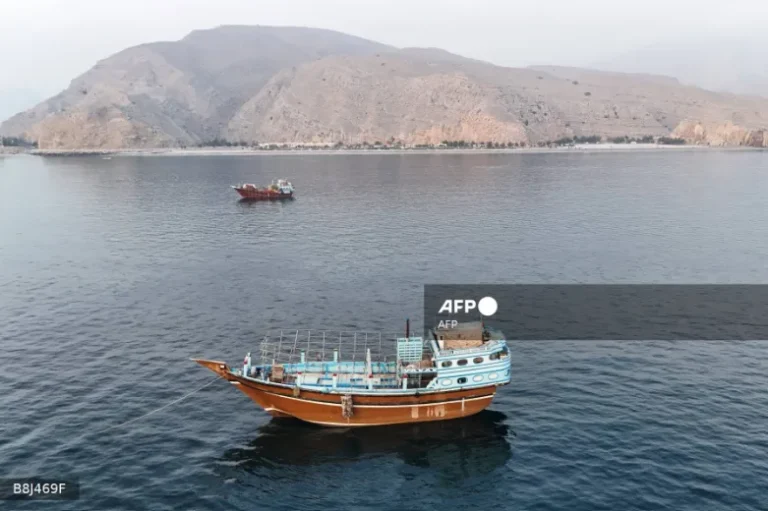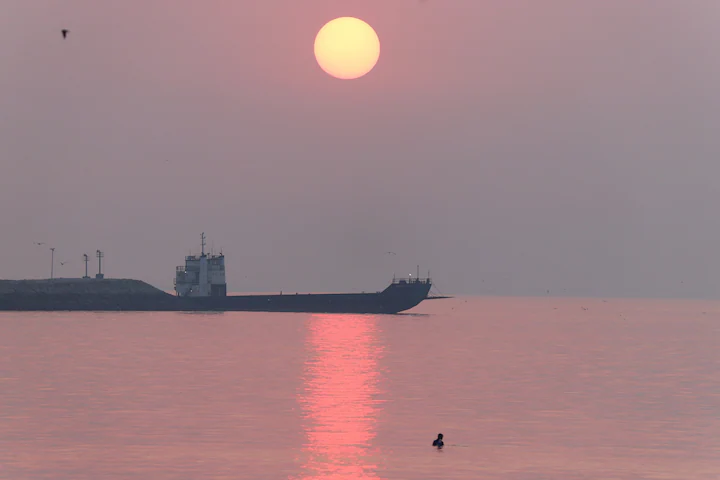
Iran has said the Strait of Hormuz will remain closed until the United States meets seven conditions contained in an interim agreement reached between both countries in June.
Iranian Parliament Speaker and chief negotiator, Mohammad Baqer Qalibaf, disclosed this on Sunday, according to state media, as diplomatic efforts continue to restore security and reopen the strategic waterway.
Qalibaf said Iran had presented a proposal during the United Nations General Assembly that would allow the strait to reopen and normal maritime traffic to resume within seven days if the conditions were fulfilled.
The US responded to the proposal last week through Qatari mediators.
“The position of the Islamic Republic of Iran is completely clear and firm, and the Strait of Hormuz will not be opened until our seven conditions, based on the Islamabad Memorandum of Understanding, are met,” Qalibaf said.
He added that Washington “must understand that the period of dragging out the (diplomatic) process and dictating one-sided demands is over”.
Iranian Foreign Ministry spokesman, Esmaeil Baghaei, said Tehran had communicated its broad position on Washington’s response through mediators, although some issues still needed to be conveyed.
“The Americans’ propositions are more or less in line with their previous positions, specifically on the nuclear issue. We told them our focus in this stage is the issue of the Strait of Hormuz and the return to security in this waterway requires clear steps from the US,” Baghaei said.
Baghaei also denied reports that Iran had offered to allow inspections by the United Nations nuclear watchdog in exchange for the lifting of US sanctions, saying Tehran had not held nuclear discussions with Washington.
Qatar has been mediating between Washington and Tehran as efforts intensify to end the conflict and reopen the Strait of Hormuz, a major global energy route that carried about a fifth of the world’s oil and liquefied natural gas before the war.
Meanwhile, Iranian Foreign Minister Abbas Araqchi told foreign ambassadors and diplomats in Tehran that Iran preferred a diplomatic solution but was prepared to respond if the US resumed military action.
“If they again move towards military solutions, we are more prepared than before and will take whatever action is necessary to defend ourselves,” Araqchi said.
Iranian army spokesman Mohammad Akraminia also told Fars news agency that the country would increase the range of its missiles.