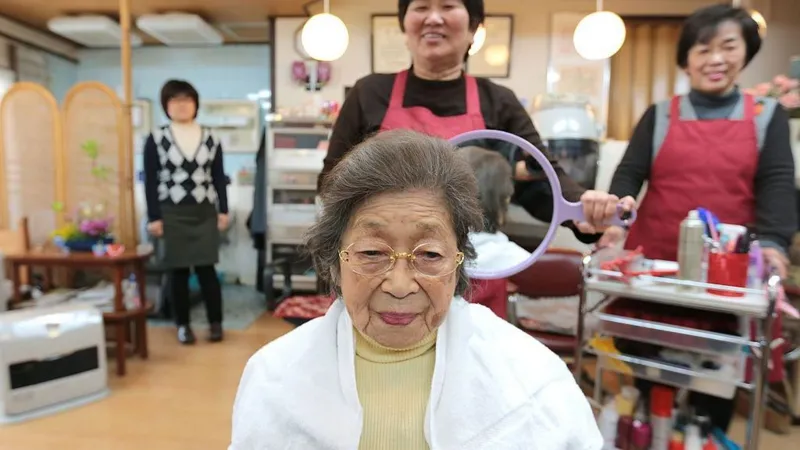
The number of people aged 100 and above in Japan has surpassed 100,000 for the first time, with the country recording 107,677 centenarians, according to the Japanese health ministry.
Women account for about 88 per cent of the centenarian population, while the oldest woman is 114-year-old Kishimoto Fuyo of Kyoto City. The oldest man is 112-year-old Kato Hikaru from Kumamoto.
Health Minister Kenichiro Ueno welcomed the figures, saying he was “delighted that so many people are living long, healthy and active lives”, while also highlighting the pressure the ageing population could place on Japan’s social security system.
Japan’s high life expectancy has been linked by experts to factors including diet and physical activity.
Traditional Japanese meals often feature fish, vegetables and rice, with relatively less saturated fat than many Western diets, while older people commonly walk, cycle, use public transport and engage in stretching exercises.
The increase in the elderly population has also created a growing market for products designed to support older people, including powered exoskeletons that assist movement and specialised eyewear that automatically adjusts its focus.
However, Japan’s ageing population is occurring alongside a prolonged decline in births.
The country’s total fertility rate fell to a record low of 1.14 last year, well below the estimated 2.1 children per woman needed to maintain a stable population.
Japan’s population is projected to fall to about 87 million by 2070, a decline of roughly 30 per cent from its peak of 128 million in 2008.
People aged 65 and above currently account for about 30 per cent of the population and are expected to represent nearly 40 per cent by 2070.
Japan has introduced various programmes and financial incentives aimed at encouraging young people to have children, but the birth rate has continued to decline.
Experts have cited several factors, including falling marriage rates, more women entering the workforce and the rising cost of raising children.
The number of centenarians in Japan has risen dramatically since the government began keeping records in 1963, when only 153 people aged 100 or older were recorded.
The figure reached 1,000 in 1981 and passed 10,000 in 1998.
The latest figures were released ahead of Japan’s annual Respect for the Aged holiday, when the government honours people turning 100 with a personal letter and a traditional sake cup.
However, questions have previously been raised about the accuracy of centenarian figures globally.
A Japanese government audit in 2010 found more than 230,000 people listed in family registries as being aged 100 or older who could not be accounted for, with some believed to have died decades earlier.
The discrepancies were attributed to incomplete record-keeping and allegations that some families concealed the deaths of elderly relatives to continue receiving their pension payments.