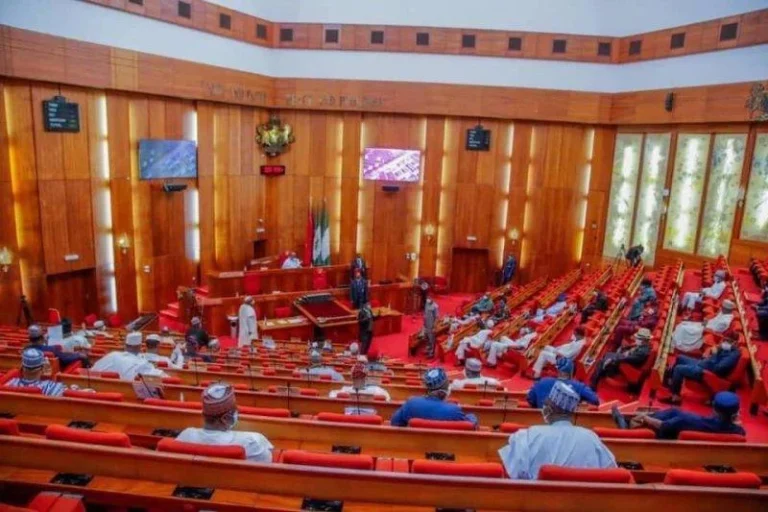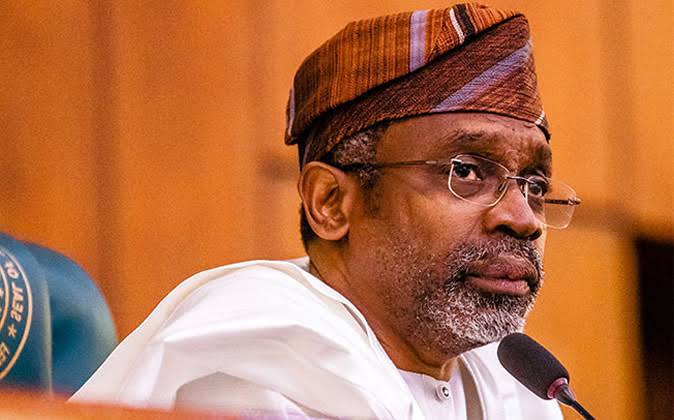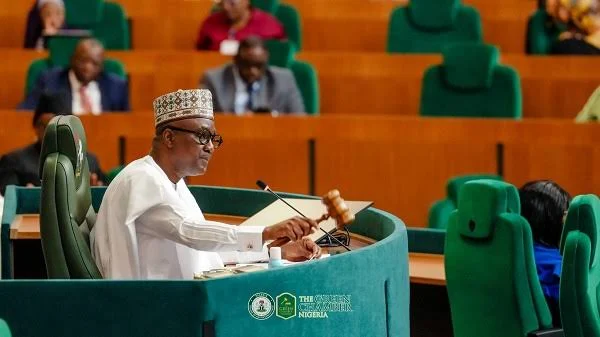
The Presidency says Nigerians have until 5 pm on Thursday, August 13, 2026, to submit their views on the proposed National Policing Bill, which seeks to provide a legal framework for the establishment of state police.
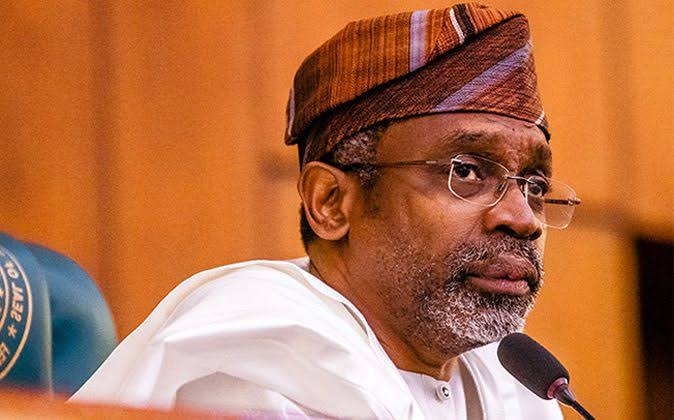
Chief of Staff to President Bola Tinubu and Chairman of the Presidential Working Group on the National Policing Bill, Femi Gbajabiamila, made this known on Wednesday.
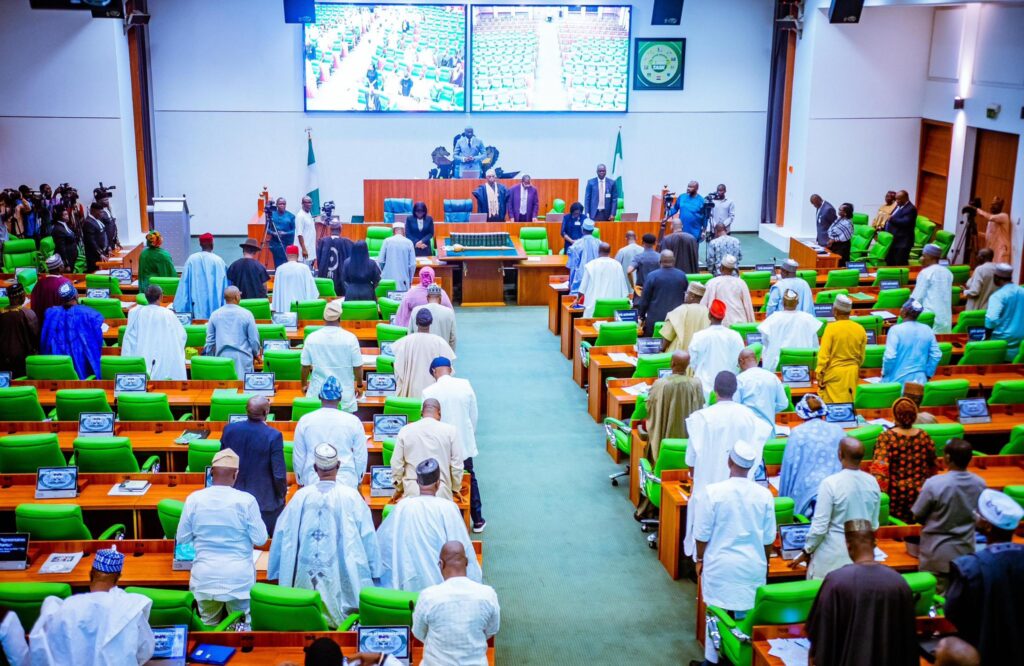
Gbajabiamila said the consultation was intended to draw on the experiences and professional expertise of Nigerians before the proposed legislation is presented to the National Assembly.
He said public submissions would help address key concerns surrounding the proposed state police system, including political interference, police misconduct, oversight and intelligence-sharing between federal and state security agencies.
According to him, the consultation is not a substitute for the legislative process, as the National Assembly would still have the authority to scrutinise, amend, reject or pass the Bill.
He urged Nigerians to use the opportunity to make recommendations on how state police could be insulated from political influence and how serious cases of police misconduct should be investigated.
Gbajabiamila said, “Nigeria needs both effective local policing and protection from political abuse. We can bring policing closer to the people while building strong national standards, independent oversight and firm safeguards for every citizen.”
He acknowledged concerns that state governors could potentially misuse state police against political opponents, protesters, journalists and minority communities.
“The concern that governors might use state police against political opponents, minority communities or dissenting voices is serious and must be answered in the design of the law,” he said.
He added that officers serving under state police would still be required to operate within the Constitution, respect human rights and comply with the rule of law.
The proposed framework, he explained, would provide national standards for recruitment, training, vetting, remuneration, pensions, equipment and professional conduct.
It would also establish provisions covering the use of force, disciplinary procedures, complaints, independent oversight, intelligence-sharing and cooperation between federal and state police formations.
Gbajabiamila said local policing could improve security responses because officers familiar with the language, geography and crime patterns of their communities would be better positioned to gather intelligence and respond to threats.
He, however, stressed that the reform must protect Nigerians regardless of their political affiliation.
“The law must protect citizens regardless of who holds office. It must protect opposition parties, peaceful protesters, journalists and minority communities,” he said.
On the constitutional requirement, Gbajabiamila noted that Section 214 of the Constitution currently recognises the Nigeria Police Force as the country’s police force.
He said constitutional amendment was therefore necessary before state police could be established.
According to him, both chambers of the National Assembly have approved proposed amendments providing for Federal Police and State Police Services, but the process is yet to be completed.
The amendment must subsequently be approved by at least 24 of the 36 state Houses of Assembly before being forwarded to the President for assent.
Gbajabiamila stressed that state police therefore remains a proposal until the constitutional process is concluded.
He also clarified that even if the constitutional amendment and National Policing Bill become law, state police would not automatically be established in every state.
“Each state that chooses to establish a service will still need its own enabling law, institutions and funding. It must also meet the national conditions for operation before its officers can begin policing,” he said.
States that decide not to establish their own police services would continue to rely on the Nigeria Police Force for policing.