The Indian government has asked Meta to suspend the planned rollout of WhatsApp’s new username feature in the country, citing concerns that it could fuel online fraud and identity impersonation.
According to reports on Thursday, the Ministry of Electronics and Information Technology urged the technology company to delay introducing the feature until consultations with authorities are completed.
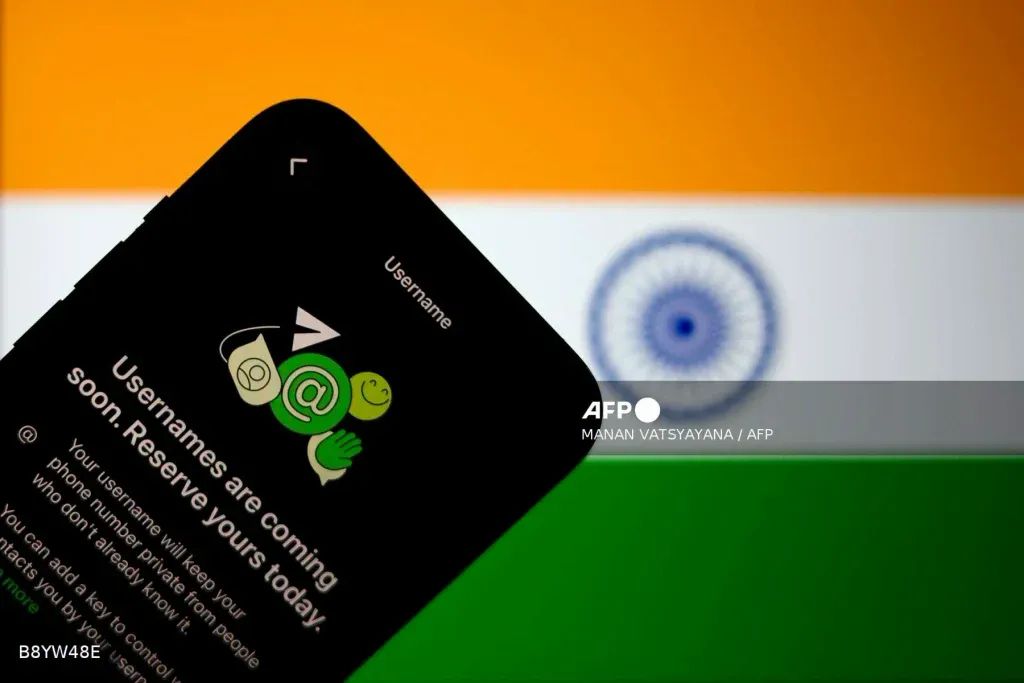
WhatsApp recently announced that users would soon be able to connect using unique usernames instead of sharing their phone numbers, a move the platform says is aimed at improving user privacy.
However, Indian officials fear the feature could create new opportunities for scammers, particularly in a country where cybercrime has risen sharply in recent years.
“There is a possibility that bad actors may claim usernames and message other users while pretending to be someone they are not,” a senior government official was quoted as saying.
The official added, “For those who may not be technologically aware to make out the difference, it could be a huge challenge.”
India is WhatsApp’s largest market, with more than 500 million users, making any platform changes particularly significant.
Responding to the concerns, Meta said the username feature has not yet been launched in India and stressed that safeguards are already in place to reduce the risk of impersonation.
“To protect against impersonation, we’ve held the highest-profile names so they can only ever be claimed by their legitimate owners,” the company said.
Meta also noted that users will still need a phone number to register for WhatsApp and that several security measures have been built into the username system to help detect and prevent scams.
The feature is already available on WeChat, the messaging platform operated by Chinese technology company Tencent.
India has witnessed a surge in cyber fraud as internet adoption continues to grow. Government data indicates that cybercriminals stole nearly $3 billion from Indians in 2025, a sharp increase from losses recorded in 2021.
The government’s request comes as it intensifies efforts to strengthen online safety and curb digital scams targeting millions of internet users.