Iran’s Islamic Revolutionary Guards Corps has claimed responsibility for attacks on ships in the Strait of Hormuz following a fresh wave of US military strikes on Iranian targets.
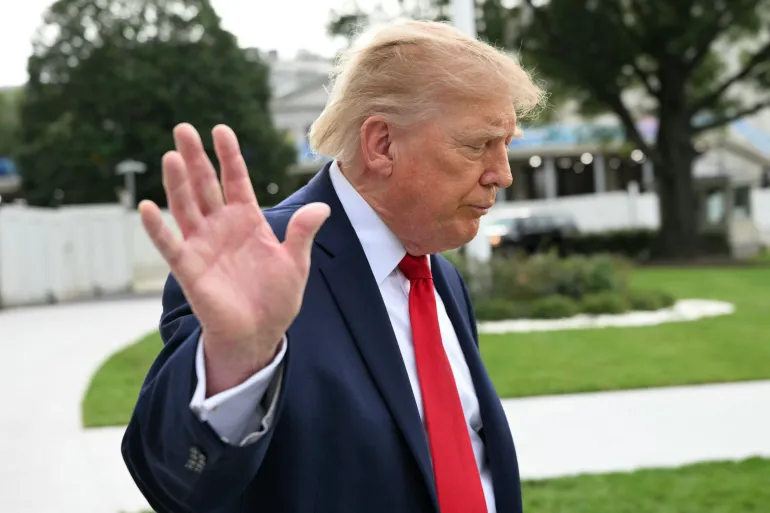
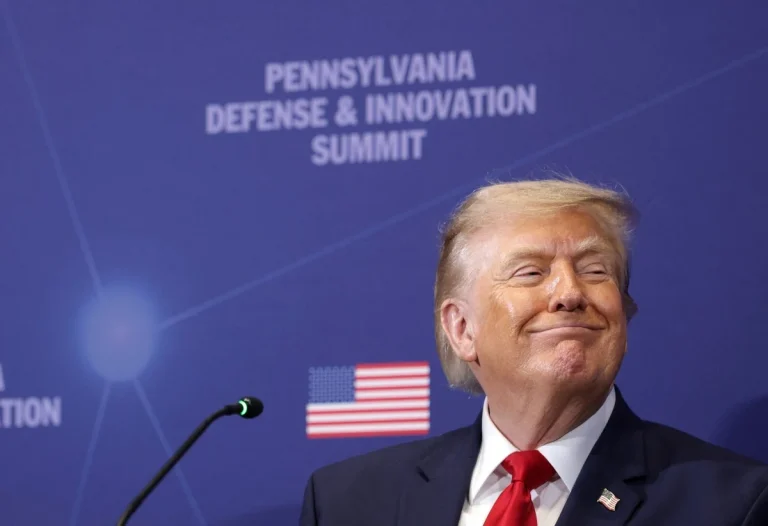
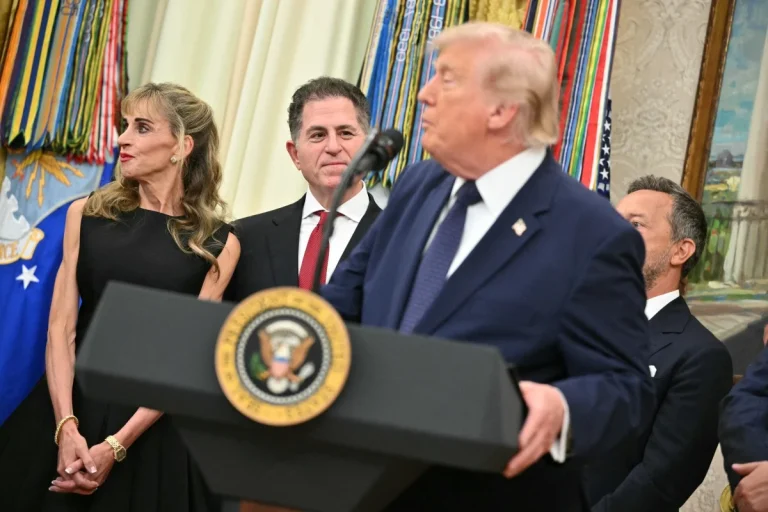
The latest escalation came after US President Donald Trump warned that Iran would be hit “hard”, accusing Tehran of having taken “too long to make a deal” aimed at ending the conflict.
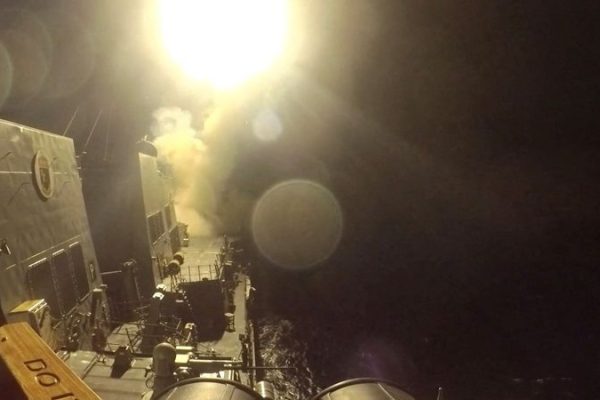
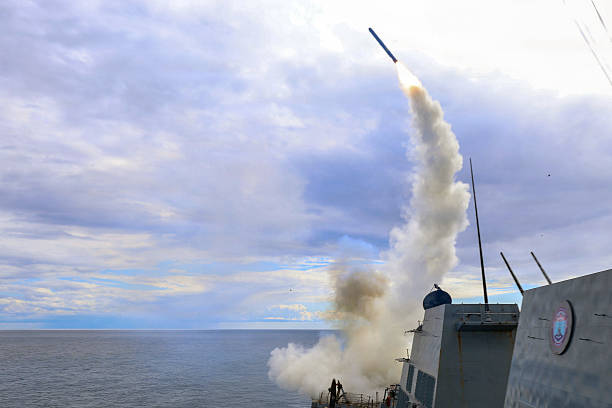
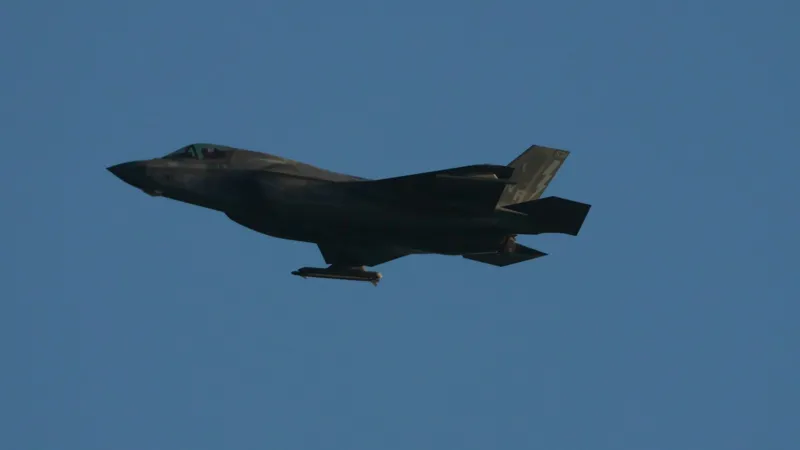
US Central Command confirmed on Wednesday that it had launched what it described as “self-defense strikes” in “response to Iran’s unwarranted and continued aggression”.
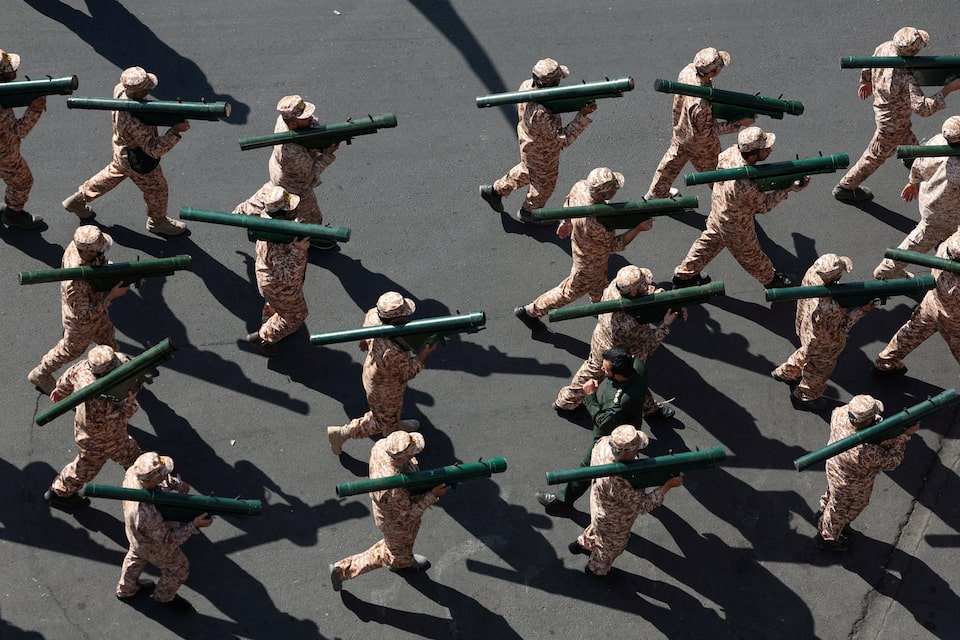
Shortly after the US operation, Iranian state media reported that the IRGC targeted two vessels in the Strait of Hormuz.
The development marks another phase in the growing exchange of attacks between Tehran and Washington, with both sides recently striking military and surveillance facilities despite a fragile ceasefire reached in April.
Reports also indicated that explosions were heard on Qeshm Island in the Gulf, alongside blasts in several Iranian cities, including Bandar Abbas and Sirik.
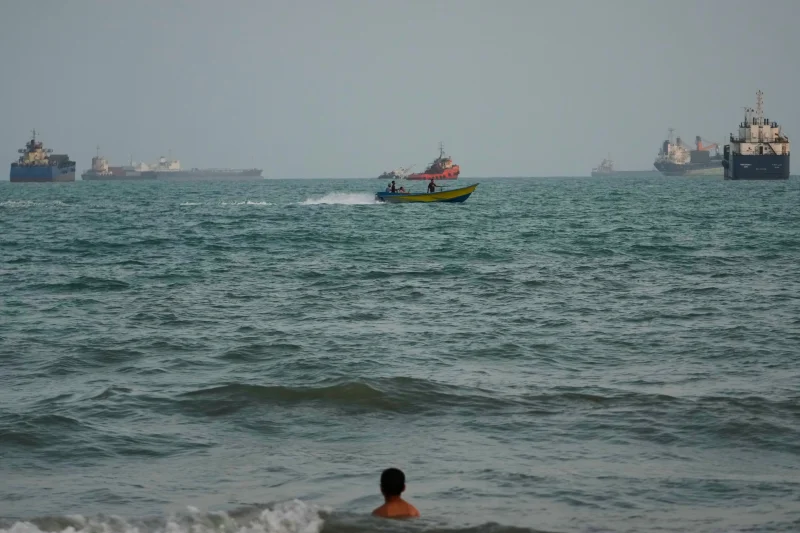
Following the US strikes, Iranian state media announced that the Strait of Hormuz had been “completely closed to all type of vessel”.
However, Centcom disputed the claim, insisting that “commercial ships are continuing to transit in and out of the Strait of Hormuz”.
Global oil prices reacted swiftly to the tension in the region.
Brent crude, the international oil benchmark, surged above $95 per barrel after gaining around 2% during Asian trading hours.
Before the latest strikes, Trump had warned: “We hit them hard yesterday and we’re going to hit them hard again today.”
In a post on Truth Social, Trump said Iranian authorities had “taken too long to negotiate a deal”, while Iran’s foreign ministry accused Washington of “damaging the diplomatic process through the contradictory messages it sends”.
Reacting to Trump’s remarks, Iranian President Masoud Pezeshkian declared that Iran “will stand firm against any pressure or threat”.
US Defence Secretary Pete Hegseth later warned that bombs would be “dropping on key facilities in Iran”.
Hegseth said Tehran had been offered an opportunity to reach an agreement but failed to act, adding that Trump had made it clear further attacks would follow if no peace deal was achieved.
In April, both countries agreed to a ceasefire initially expected to last two weeks. Although neither side returned to full-scale war, intermittent exchanges of fire have continued.
Attempts to revive diplomatic negotiations between Washington and Tehran have recently stalled, while military confrontations have intensified.
Tensions further escalated on Tuesday after a US helicopter was brought down in an attack blamed on Iran. The IRGC subsequently launched strikes targeting American bases across the Middle East.
Meanwhile, United Nations Secretary General António Guterres warned that the region was “being pulled deeper into crisis”, saying recent hostilities showed that “the ceasefire is more like a lesser-fire”.
“We should not minimize the risks of lesser fire becoming full fire. All parties must work towards a diplomatic settlement. No more attacks. No more excuses,” he said in a statement. :::