The United States and Iran have reportedly agreed on a preliminary memorandum of understanding aimed at extending their current ceasefire for another 60 days while negotiations continue toward a permanent end to hostilities, officials said on Thursday.
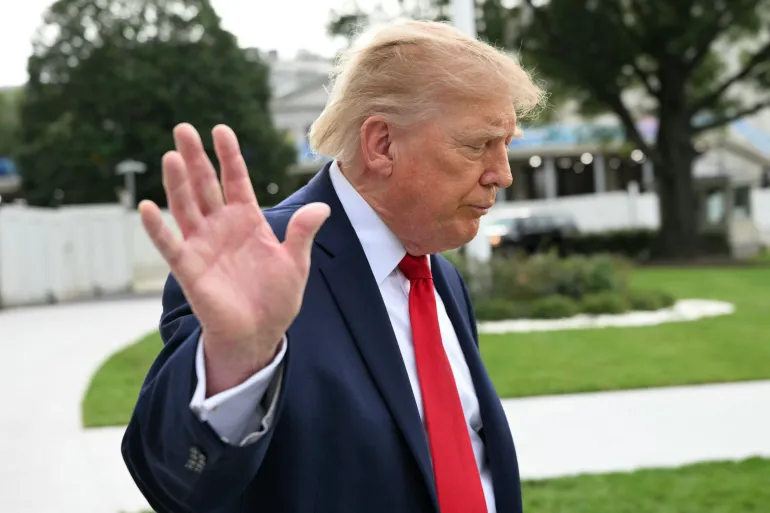
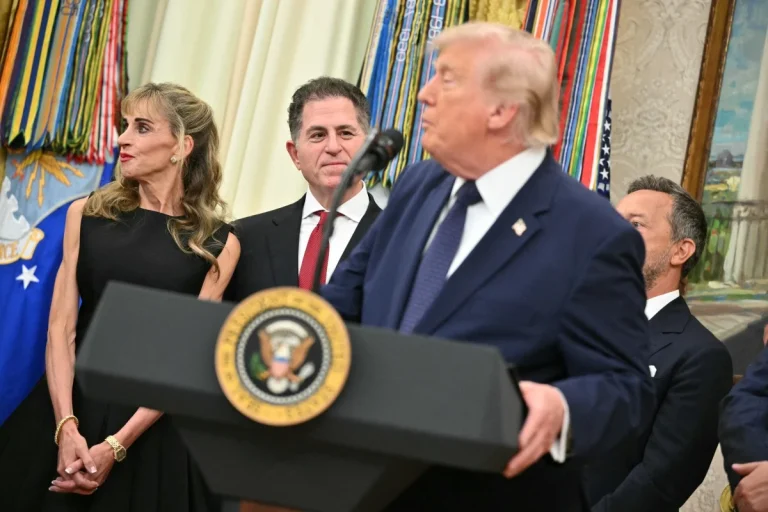
According to US officials who spoke to Al Jazeera, the framework agreement is still awaiting final approval from US President Donald Trump.
If endorsed, the deal could mark a significant diplomatic breakthrough after weeks of deadlock between both countries.
Despite reports of progress, key aspects of the proposed arrangement remain unclear.
It is also uncertain whether the 60-day extension would serve as a deadline for negotiations, given that the existing ceasefire arrangement has no fixed expiration date.
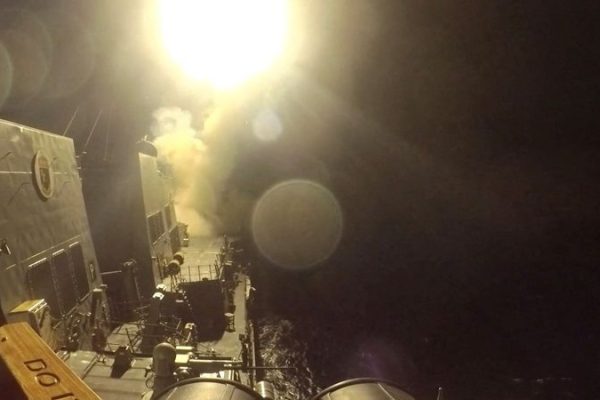
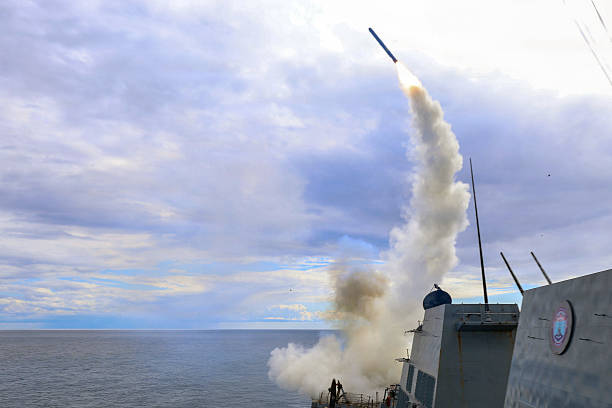
The reported MOU comes amid renewed tensions in the Gulf, where both nations exchanged limited strikes earlier on Thursday, raising concerns that the fragile truce could collapse.
Axios first disclosed details of the preliminary agreement, a report later confirmed to Al Jazeera by the White House.
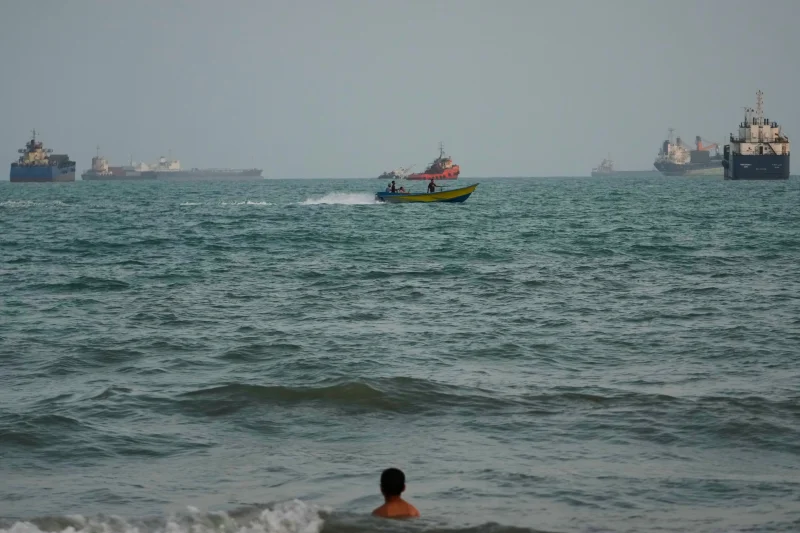
Under the proposed terms, vessel movement through the Strait of Hormuz would reportedly be “unrestricted”, while the US would also lift its naval blockade on Iranian ports.
Iran has repeatedly argued that the strategic waterway should be jointly administered by Tehran and Oman because the strait passes through the territorial waters of both countries.
Washington, however, has consistently opposed any Iranian control over the route, including proposals involving toll charges for ships using the passage.
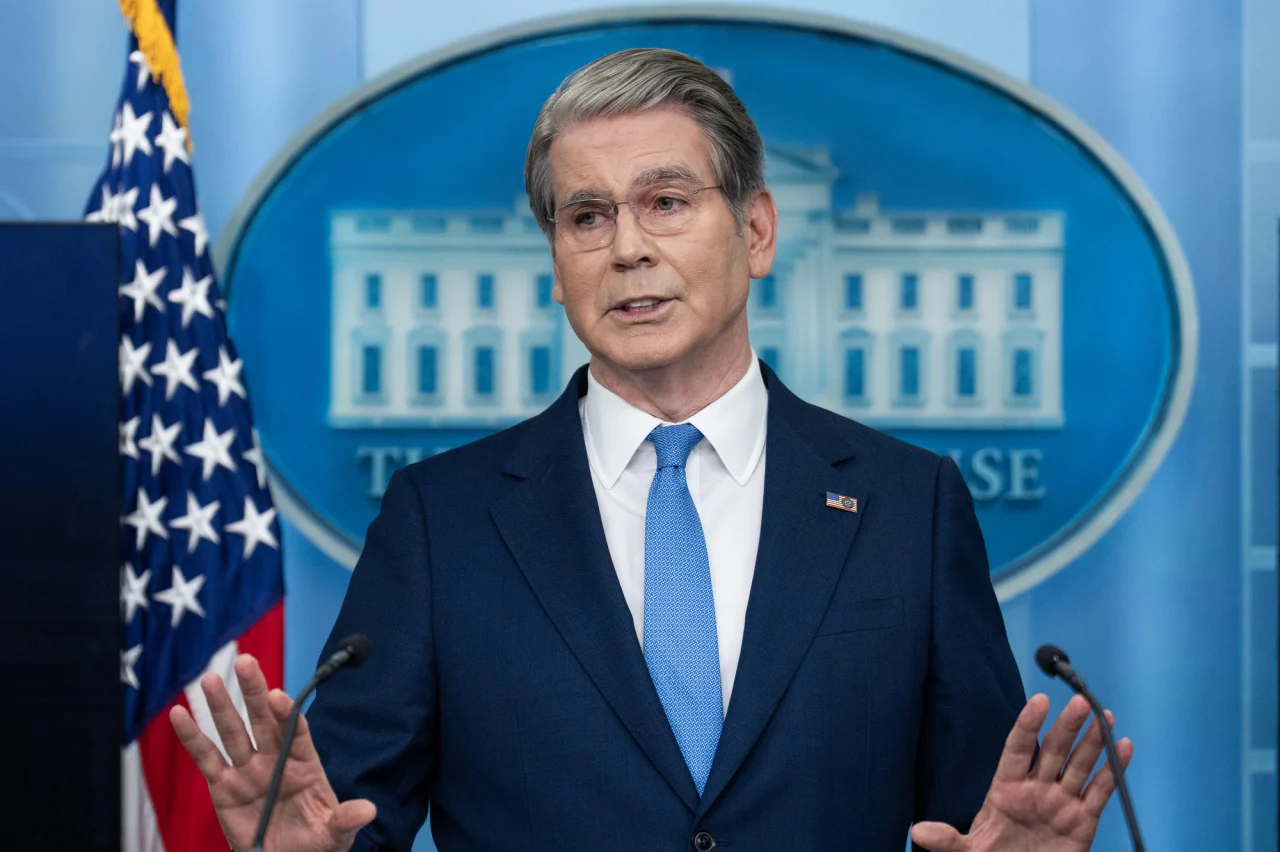
Earlier on Thursday, US Treasury Secretary Scott Bessent warned Oman, a key US ally, that sanctions could be imposed if Muscat supports any plan to charge fees for vessels navigating the strait.
Bessent later refrained from confirming the reported agreement, insisting that any final deal must align with Trump’s conditions.
“It’s always a mistake to get out ahead of the president, so it is all going to be the president’s decision,” Bessent told reporters.
He added that Trump has made his three conditions for Iran clear: re-opening Hormuz, giving up the stockpiles of highly enriched uranium and ending the nuclear programme.
Meanwhile, Iran’s semi-official Tasnim news agency dismissed claims that an agreement was close.
“If the text is indeed finalised, Iran will announce the matter to the Pakistani mediator and to the people. And until then, any narrative from Western sources about the finalisation of the matter is not valid,” a source close to the negotiations told the outlet.
The reported deal also includes a provision requiring Iran to commit to not developing nuclear weapons, although Tehran has publicly maintained that position for years.
Former Supreme Leader Ali Khamenei, who was killed during the opening day of the war on February 28 in attacks carried out by the US and Israel, had previously issued a religious decree banning weapons of mass destruction.
Iranian President Masoud Pezeshkian reaffirmed Tehran’s stance on Thursday, saying the country is “not looking for nuclear weapons”.
“We do not engage in diplomacy with humiliation,” he was quoted as saying by Iran’s ISNA news agency.
Although the tentative arrangement could ease tensions surrounding the Strait of Hormuz, major disagreements remain unresolved, including US sanctions, Iran’s uranium enrichment activities and the future of its nuclear stockpile.
Iran maintains that enriching uranium domestically is its sovereign right under the Treaty on the Non-Proliferation of Nuclear Weapons, while Trump has repeatedly insisted that