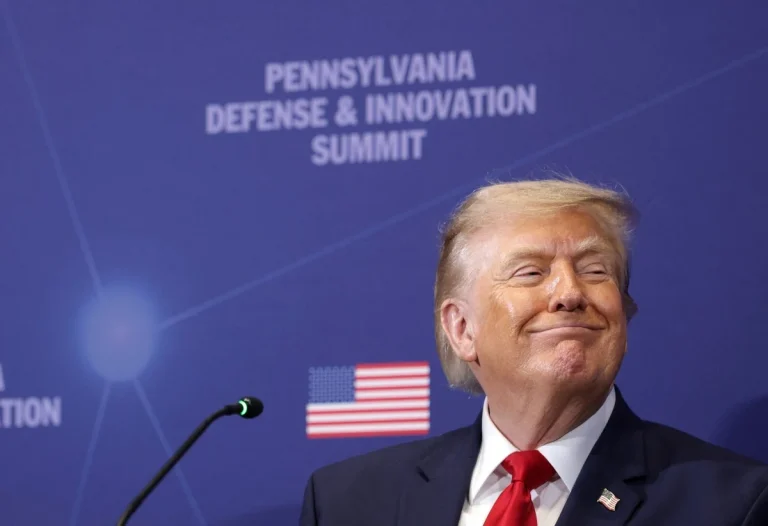
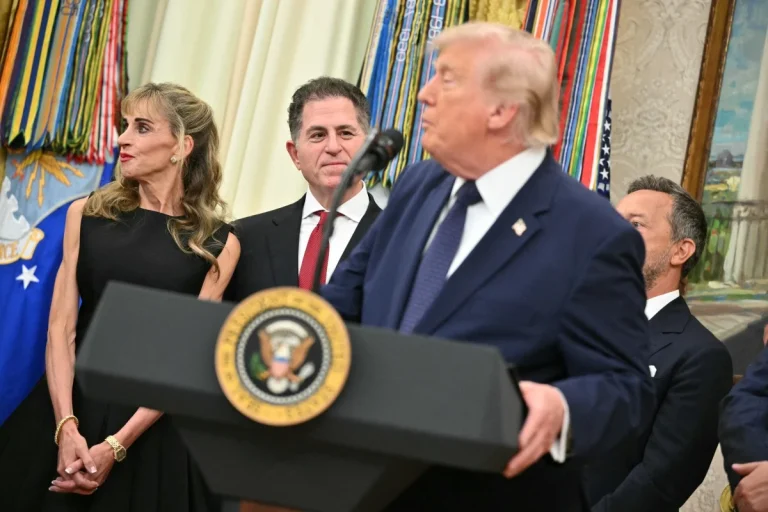
United States President, Donald Trump, has said Washington does not expect to rely on Xi Jinping or China to help bring an end to the ongoing war with Iran or to ease Tehran’s influence over the Strait of Hormuz.
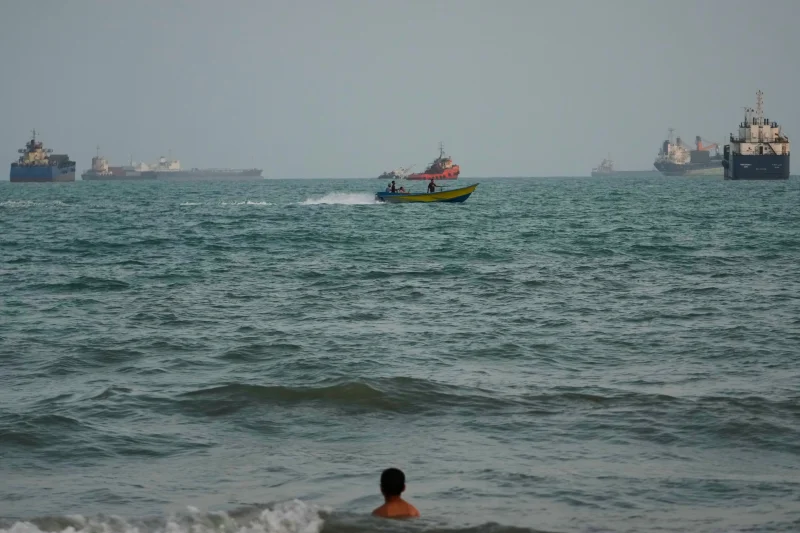
Trump, who is currently in China for a high-level summit with Xi, downplayed any potential role Beijing could play in mediating the conflict, where maritime movement through the strategic waterway has been heavily disrupted, affecting global oil flows.
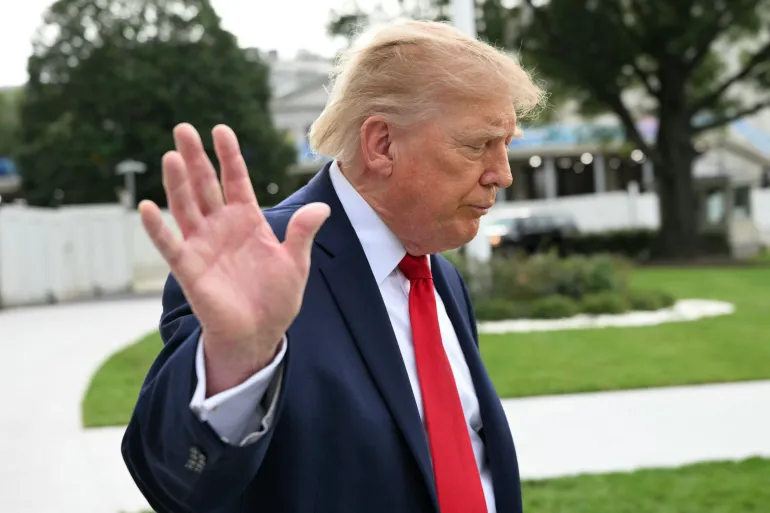
“I don’t think we need any help with Iran. We’ll win it one way or the other, peacefully or otherwise,” he told reporters before departing Washington.
More than a month after a fragile ceasefire came into effect, positions between Washington and Tehran remain sharply divided.
The United States has demanded that Iran dismantle its nuclear programme and loosen its control over the strait, while Iran is insisting on compensation for war damages, an end to U.S. restrictions, and a broader halt to hostilities across the region, including in Lebanon, where Israel continues its operations against Hezbollah. Trump has dismissed Iran’s demands as “garbage.”
Meanwhile, Iran has reportedly strengthened its position around the Strait of Hormuz, striking new arrangements with Iraq and Pakistan to facilitate the movement of oil and liquefied natural gas, according to sources familiar with the matter.
Shipping data indicated that a Chinese supertanker carrying about two million barrels of Iraqi crude was attempting to pass through the strait.
If completed, it would be the third known transit by a Chinese-linked tanker since the escalation of strikes involving the United States and Israel on February 28.
Additional countries are reportedly exploring similar shipping arrangements with Iran, potentially reinforcing Tehran’s influence over a route that is critical for global supply chains, including fertilisers and petrochemicals.
A U.S. administration official also said that senior American and Chinese representatives agreed in April that no country should impose tolls on maritime traffic through the region, an attempt to show diplomatic alignment ahead of the summit. China did not dispute that account.
On the economic front, Trump said domestic financial pressures were not influencing his approach to the conflict.
This comes as new data showed inflation in the United States rising at its fastest pace in three years, driven by higher food, rent, and airfare costs.
Asked whether economic strain on Americans was affecting his decisions, he replied: “Not even a little bit.”
“I don’t think about Americans’ financial situation. I think about one thing: We cannot let Iran have a nuclear weapon’’ Trump said before leaving for China.
The remarks are expected to attract political scrutiny, as cost-of-living concerns remain central ahead of upcoming U.S. elections.
The International Energy Agency warned that the conflict is placing significant pressure on global energy markets, estimating large-scale disruptions to Middle East supply.
The group projected that global oil output could fall by nearly 3.9 million barrels per day across 2026, falling short of demand due to continued instability linked to the Iran conflict.
Brent crude futures eased slightly to around $107 per barrel after several days of gains driven by tensions in the Hormuz region.
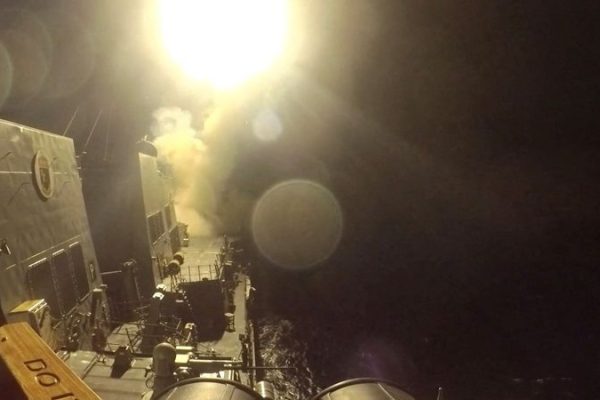
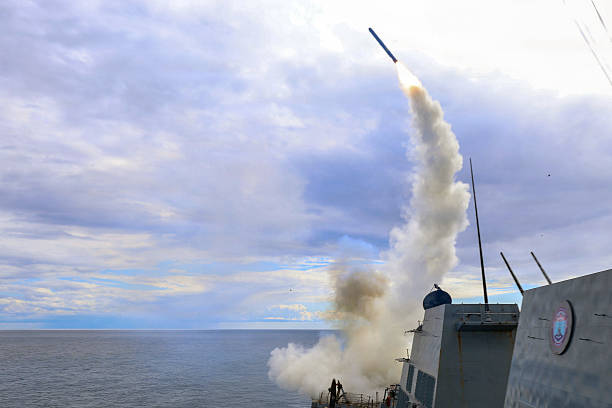
The U.S. Central Command said the aircraft carrier USS Abraham Lincoln is operating in the Arabian Sea as part of maritime security operations, during which dozens of commercial vessels have been rerouted and several others disrupted.
The United States Department of Defense estimated the cost of the conflict at about $29 billion so far, an increase from previous assessments.
Iran has also pushed for security guarantees for Lebanon as part of wider negotiations.
Despite a U.S.-mediated ceasefire announced in April, Israeli strikes against Hezbollah-linked targets have continued, including an attack on a highway south of Beirut that killed several people, among them children, according to Lebanese authorities.
In Tehran, officials have remained defiant, expanding their operational framing of the Strait of Hormuz into a wider maritime zone stretching between key coastal points and nearby islands.
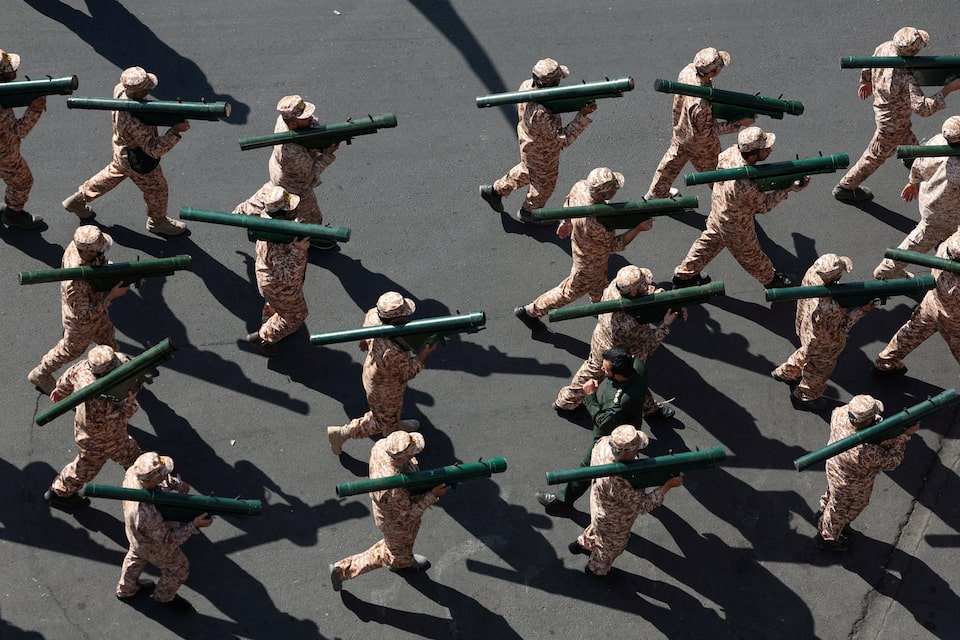
Meanwhile, Iranian forces conducted drills overnight amid reports of minor earthquakes in the capital, reinforcing their preparedness posture in anticipation of further escalation.