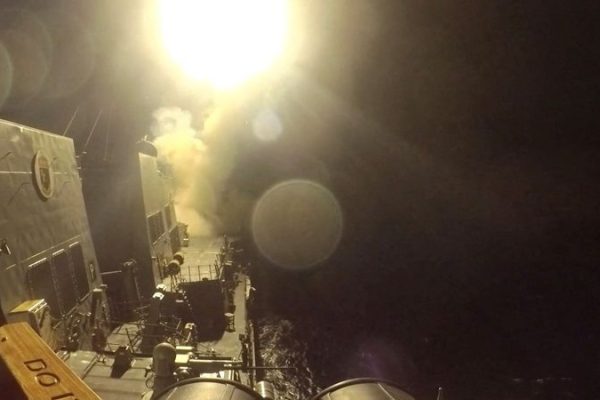
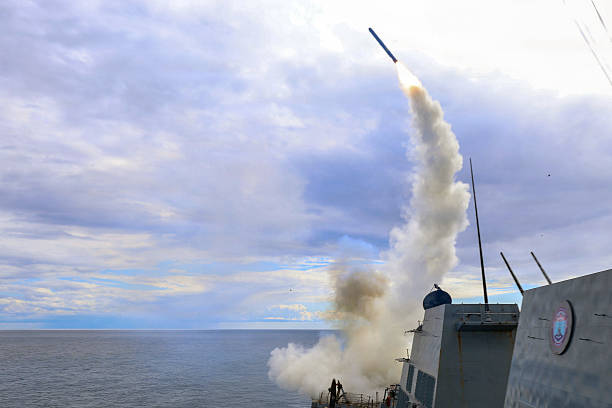
The United States military has reported intercepting Iranian attacks targeting three Navy ships in the Strait of Hormuz, alongside what it described as retaliatory strikes on Iranian military facilities linked to assaults on U.S. forces.
The developments underscore growing tension and uncertainty around a fragile ceasefire that has lasted just over a month.
U.S. Central Command stated in a social media post that American forces responded to what it called “unprovoked Iranian attacks” with defensive action.
It added that “no ships were hit” and stressed that while the U.S. does not seek escalation, it “remains positioned and ready to protect American forces.”
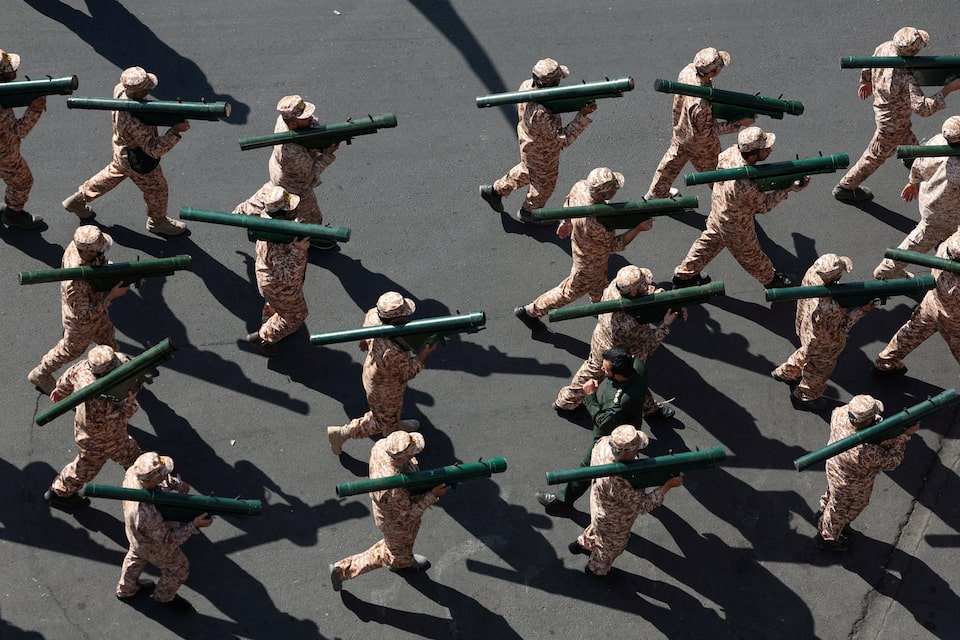
On the Iranian side, state media reported that armed forces exchanged fire with “the enemy” near Qeshm Island in the Strait of Hormuz, a strategically important location and Iran’s largest island in the Persian Gulf.
The island is home to around 150,000 people and includes key infrastructure such as a desalination plant.
Additional Iranian reports described explosions and defensive responses in multiple locations, including western Tehran and areas near Bandar Abbas in southern Iran.
However, the reports from semi-official outlets Fars and Tasnim did not specify the cause of the blasts.
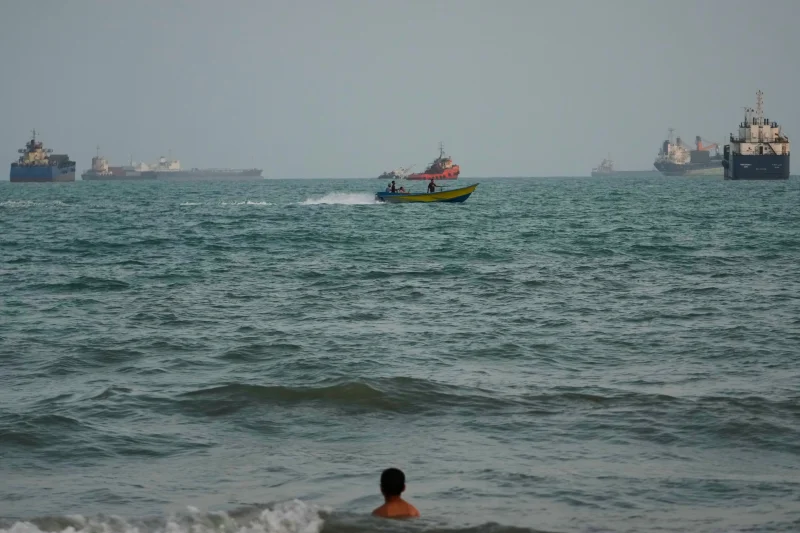
Earlier, a maritime tracking firm disclosed that Iran has established a new government body tasked with regulating and taxing vessels passing through the Strait of Hormuz.
The move has heightened concerns among global shipping operators, with reports of congestion in the Persian Gulf and limited access to open waters, even as hopes for a broader diplomatic resolution have offered some market stability.
The ceasefire between the United States and Iran, in place since April 8, has largely held despite ongoing tensions.
Previous talks mediated by Pakistan failed to secure a lasting agreement to end the conflict that began on February 28, when U.S. and Israeli strikes were launched against Iran.
Iranian Foreign Ministry spokesperson Esmail Baghaei said Tehran is still assessing recent U.S. proposals, stating that Iran “has not yet reached a conclusion, and no response has been given to the U.S. side,” according to Iranian state media.
Diplomatic efforts also continued elsewhere, with U.S. Secretary of State Marco Rubio meeting Pope Leo XIV at the Vatican to discuss regional peace efforts.
The Pope has previously criticized the Iran war, creating friction with the Trump administration.
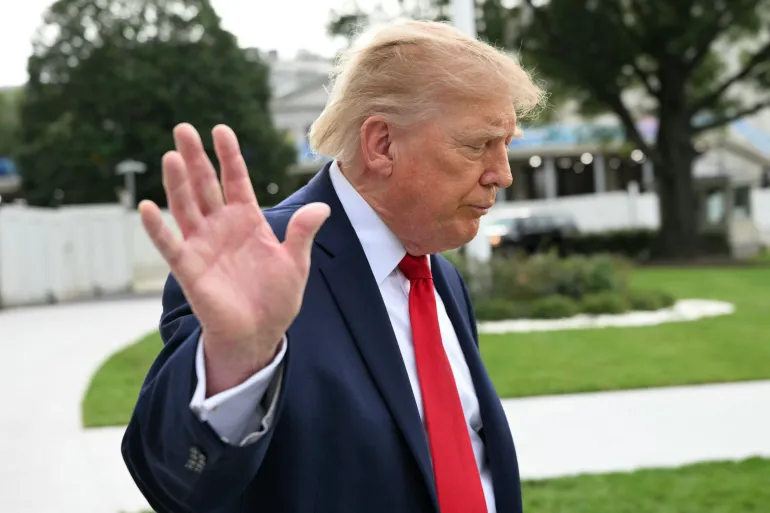
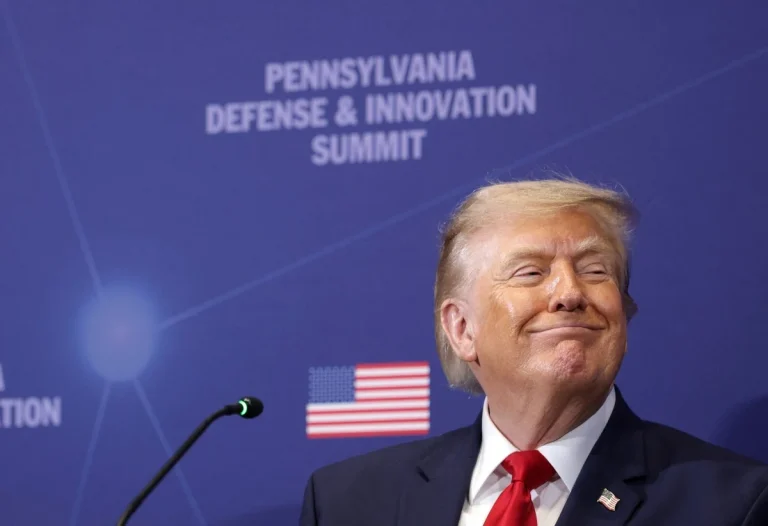
President Donald Trump, meanwhile, issued a strong warning following the reported exchange of fire.
He said, “Just like we knocked them out again today, we’ll knock them out a lot harder, and a lot more violently, in the future, if they don’t get their Deal signed, FAST!”
Earlier in the week, Trump had temporarily halted a military-backed initiative aimed at creating a protected shipping corridor through the Strait of Hormuz, citing ongoing diplomatic efforts.
However, the plan reportedly lacked full backing from key regional allies, including Saudi Arabia, which said it would not support its implementation.
Pakistan, acting as a mediator, said it expects progress soon. Foreign Ministry spokesperson Tahir Andrabi stated, “We expect an agreement sooner rather than later,” while noting hopes for a peaceful and lasting resolution.
Pakistani Prime Minister Shehbaz Sharif also said Islamabad is maintaining continuous contact with both Tehran and Washington.
At the same time, indirect Israel-Lebanon discussions are expected to resume in Washington on May 14 and 15, according to a U.S. official familiar with the arrangements.
Concerns over maritime security intensified after reports that Iran has created the “Persian Gulf Strait Authority,” which would oversee ship approvals and impose transit charges.
According to maritime intelligence firm Lloyd’s List Intelligence, the agency is “positioning itself as the only valid authority to grant permission to ships transiting the strait.”
The development has sparked legal concerns, with maritime experts arguing that such actions may violate international law governing free navigation in international waters.
Iranian political leadership also remains in flux, with President Masoud Pezeshkian confirming a recent extended meeting with Supreme Leader Mojtaba Khamenei, who has reportedly remained out of public view since being injured earlier in the conflict.
In the Gulf region, a Saudi official revealed that Riyadh did not support Washington’s recent attempt to forcibly reopen shipping lanes through the strait.
The official said, “We told them that we are not part of this and that they can’t use our territories and bases for this,” while also conveying assurances to Iran that Saudi Arabia would not participate in related military action.
The situation continues to evolve rapidly, with diplomacy, military activity, and maritime tensions all intersecting in one of the world’s most critical shipping corridors.