Iran’s navy has claimed it stopped “American-Zionist” warships from entering the Strait of Hormuz after issuing what it described as a “swift and decisive warning.”
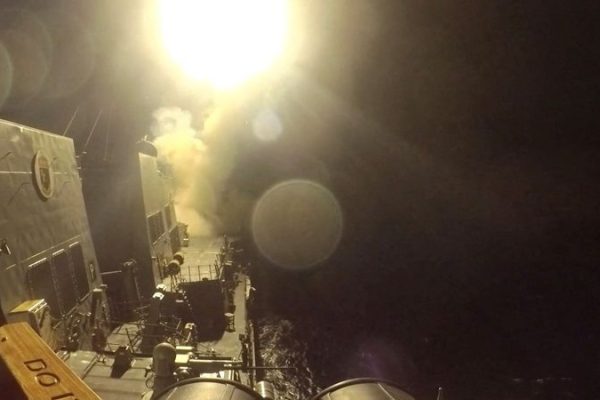
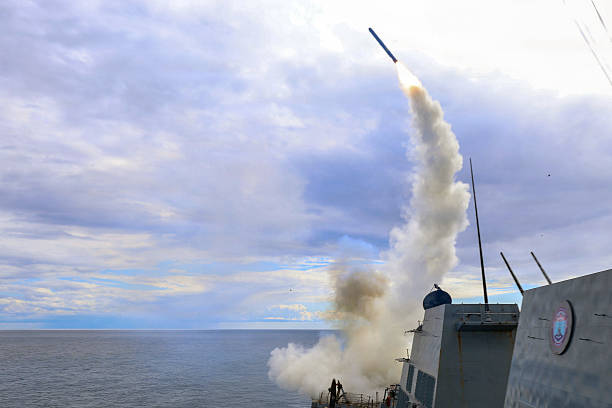
According to Iran’s semi-official Fars News Agency, two missiles struck a warship near the port of Jask, located at the southern entrance to the strait, where Iran maintains a naval base.
However, a senior U.S. official quickly dismissed the claim, as reported by Barak Ravid of Axios.
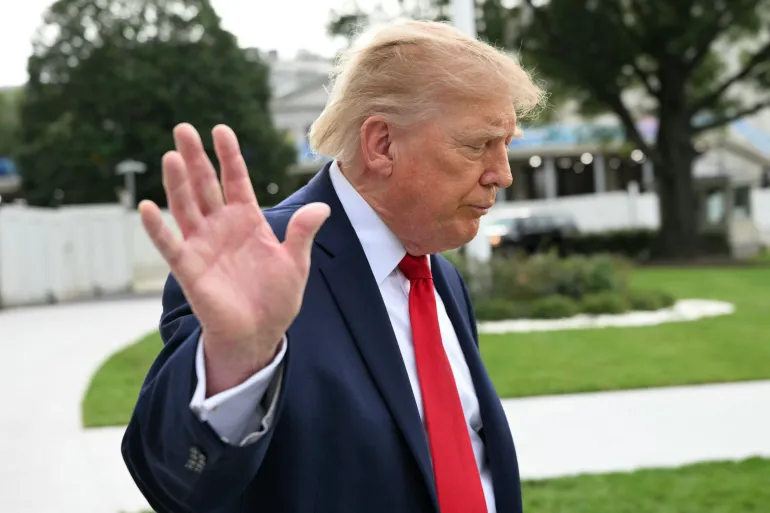
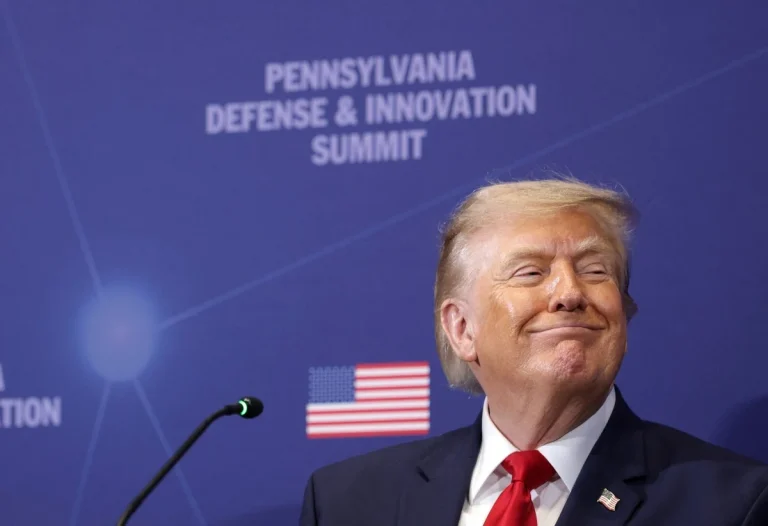
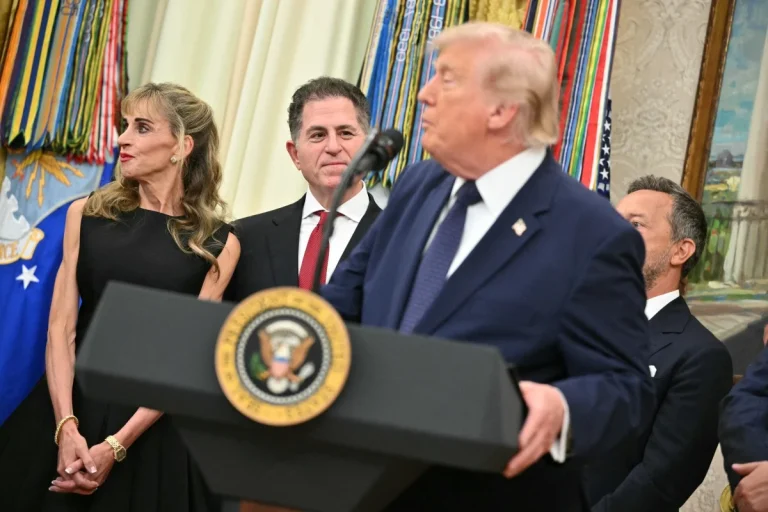
Tehran’s warning came after U.S. President Donald Trump said Washington would help escort vessels stranded in the Gulf due to the ongoing U.S.-Israeli conflict with Iran.
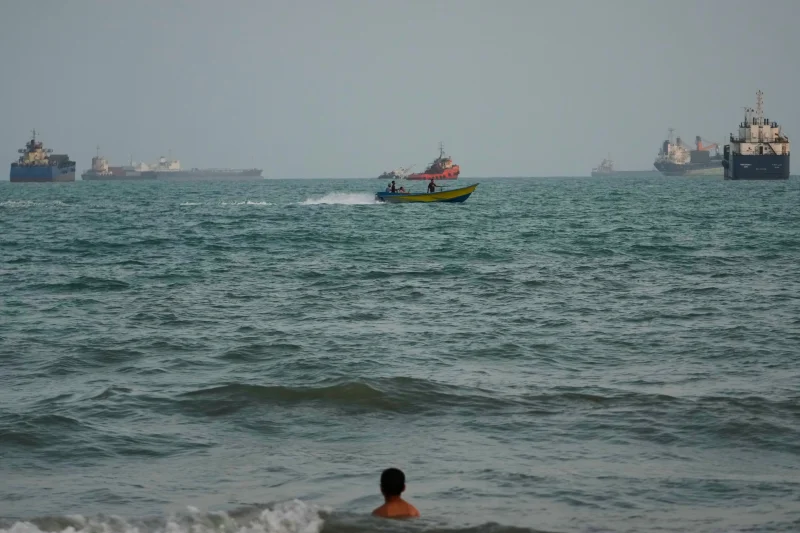
He offered few specifics on the proposed operation, which aims to assist ships and crews stuck in the vital waterway and reportedly running low on food and supplies after more than two months of fighting.
“We have told these Countries that we will guide their Ships safely out of these restricted Waterways, so that they can freely and ably get on with their business,” Trump said in a post on his Truth Social site on Sunday.
In response, Iran’s unified military command instructed commercial vessels and oil tankers to avoid any movement without prior coordination with its forces.
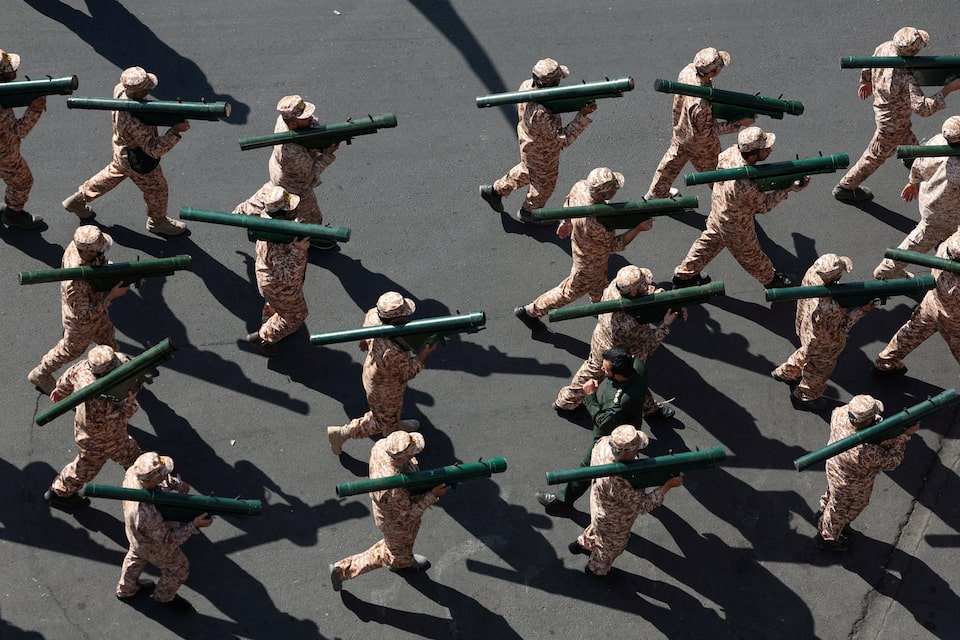
“We have repeatedly said the security of the Strait of Hormuz is in our hands and that the safe passage of vessels needs to be coordinated with the armed forces,” said Ali Abdollahi, head of the unified command, in a statement.
“We warn that any foreign armed forces, especially the aggressive U.S. Army, will be attacked if they intend to approach and enter the Strait of Hormuz.”
Since the conflict began, Iran has effectively restricted most maritime traffic in and out of the Gulf, allowing mainly its own vessels, thereby disrupting roughly one-fifth of global oil and gas flows and driving prices up by more than 50 percent.
Meanwhile, the United States Central Command said it would back the evacuation effort with 15,000 troops, over 100 aircraft operating on land and at sea, as well as warships and drones, while continuing its blockade of Iranian ports.
“Our support for this defensive mission is essential to regional security and the global economy as we also maintain the naval blockade,” said Admiral Brad Cooper, commander of CENTCOM, in a statement.