Iran’s top diplomat has accused Washington of derailing recent negotiations, as he arrived in Russia on Monday during a fast-paced diplomatic tour, with direct talks between the opposing sides now appearing stalled.
Foreign Minister Abbas Araghchi made the comments in Saint Petersburg, where he is scheduled to meet Vladimir Putin. His trip follows visits to Oman and mediator Pakistan in recent days.
Pakistan hosted the only round of talks so far between Tehran and Washington, which ended without success.
Araghchi’s visit had raised expectations of renewed discussions over the weekend, but those hopes faded after Donald Trump cancelled a planned trip by his envoys, Steve Witkoff and Jared Kushner.
“The US approaches caused the previous round of negotiations, despite progress, to fail to reach its goals because of the excessive demands,” Araghchi said Monday.
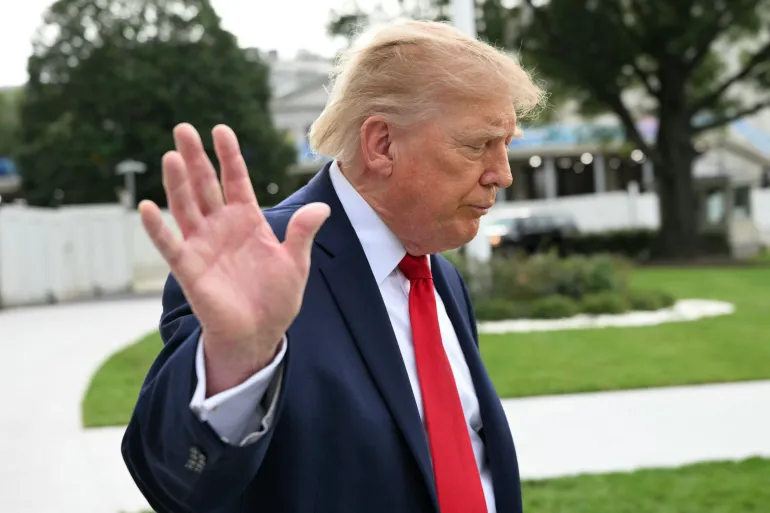
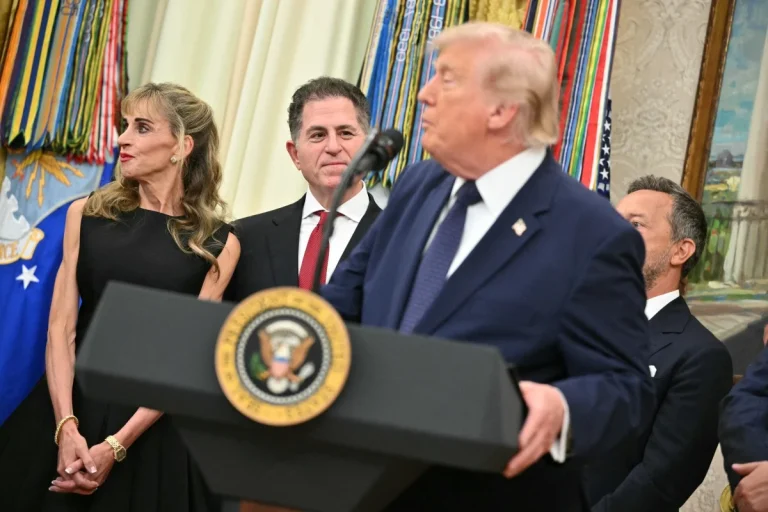
After scrapping the envoys’ visit, Trump told Fox News that if Iran wanted talks, “they can come to us, or they can call us”, while insisting the move does not signal a return to conflict.
Despite the setback, indirect efforts appear to be ongoing. Iran’s Fars news agency reported that Tehran had sent “written messages” to Washington through Pakistan outlining its red lines, including on nuclear issues and the Strait of Hormuz.
The agency noted these exchanges were not part of formal negotiations.
Meanwhile, Axios reported, citing US and other sources, that Iran had submitted a fresh proposal aimed at ending the conflict.
The plan reportedly focuses on reopening the Strait of Hormuz and lifting a US naval blockade, while deferring nuclear discussions. Iran’s state news agency IRNA referenced the report without rejecting it.
Global impact
Although a ceasefire between the US-Israel alliance and Iran remains in place, its economic effects continue to ripple worldwide.
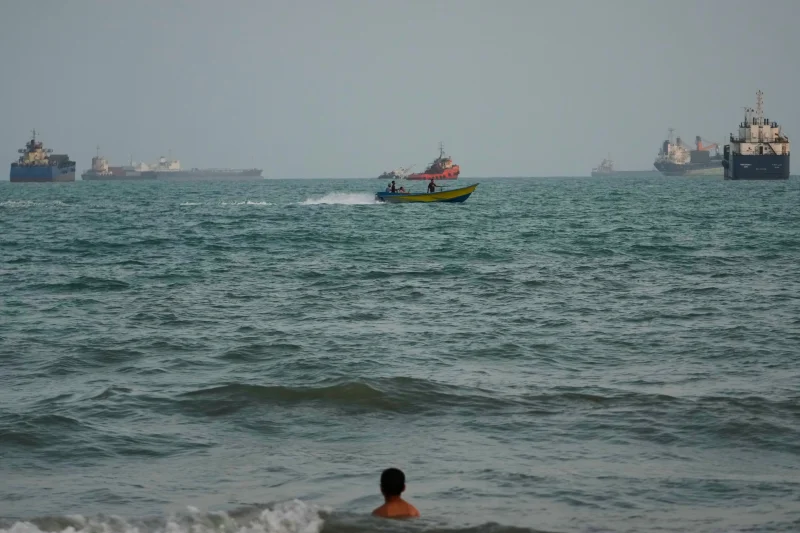
Iran’s blockade of the Strait of Hormuz has disrupted shipments of oil, gas, and fertiliser, pushing prices higher and raising concerns about food security in vulnerable nations.
In response, the US has imposed its own blockade on Iranian ports within and beyond the waterway.
Trump is also facing pressure at home, as rising fuel costs weigh on voters ahead of November’s midterm elections. Surveys indicate the war remains unpopular among Americans.
The strategic waterway was also a key topic during Araghchi’s stop in Oman, which borders the strait.
“The safe passage through the Strait of Hormuz is an important global issue. Naturally, as the two coastal countries of this strait, we must speak with each other so that our common interests are secured,” Araghchi said from Saint Petersburg.
Russian and Iranian officials confirmed that talks between Araghchi and Putin are expected.
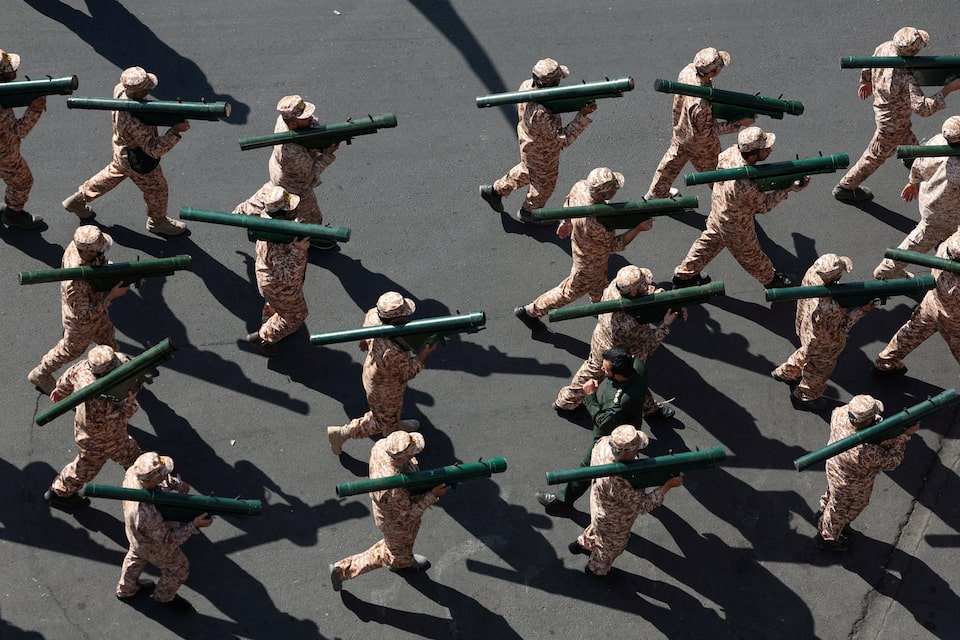
However, Iran’s Revolutionary Guards have signalled no immediate shift in stance, saying they intend to maintain control over the strait, describing it as central to Tehran’s deterrence strategy against the United States.
Oil prices edged up again on Monday, though expectations of a possible agreement helped limit sharper increases.
Escalation in Lebanon
Elsewhere, tensions persist on the Lebanese front despite a recently extended ceasefire between Israel and Iran-backed Hezbollah.
Both sides traded accusations of violations on Sunday. Israeli Prime Minister Benjamin Netanyahu said the military was “vigorously” targeting Hezbollah, while the group vowed retaliation over what it described as continued Israeli breaches and occupation.
Hezbollah entered the broader conflict on March 2, launching rockets at Israel following the death of Iran’s supreme leader, Ali Khamenei. Israel responded with airstrikes and a ground offensive.
Netanyahu told his cabinet that Hezbollah’s actions were “dismantling the ceasefire”, while Lebanese authorities reported that Israeli strikes in the south killed 14 people on Sunday, the deadliest day since the truce began.
Witnesses reported heavy traffic moving north as civilians fled intensified bombardment, while Israel also confirmed the death of one of its soldiers in southern Lebanon.
Israel maintains that under the ceasefire terms, it reserves the right to act against “planned, imminent or ongoing attacks”.
“This means freedom of action not only to respond to attacks… but also to pre-empt immediate threats and even emerging threats,” Netanyahu said.