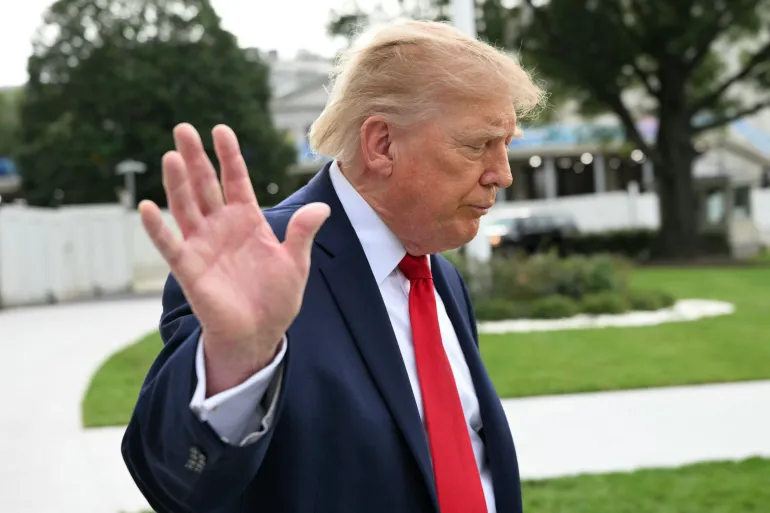
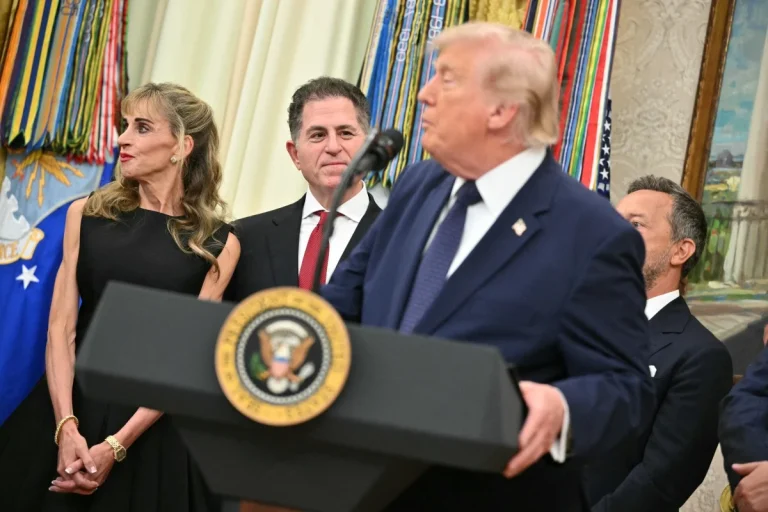
The United States President, Donald Trump, announced that he would extend the ceasefire with Iran, which was due to expire on Wednesday evening, in order to give Tehran more time to present what he described as a “unified proposal” to end the ongoing war.
Tuesday had opened with intense diplomatic activity in Washington, where Air Force Two was reportedly on standby to fly Vice President JD Vance to Islamabad for a fresh round of US–Iran peace talks.
However, the aircraft never departed, and the negotiations were eventually pushed back.
Trump’s decision to extend the ceasefire came later in the day, marking another pause in a conflict that has now stretched close to two months. It also represented the second time within weeks that he has stepped back from threats of escalation, opting instead to delay military action.
Uncertainty surrounded the proposed Islamabad talks throughout the day. Vance never formally confirmed the trip, while Iran also did not publicly commit to attending, leaving US officials unsure whether negotiations would proceed at all.
As developments unfolded, signs of postponement became clearer. Key members of the US negotiating team, including special envoy Steve Witkoff and senior adviser Jared Kushner, returned to Washington from Miami instead of travelling onward to Pakistan. Vance later arrived at the White House for what was described as “policy meetings,” as senior officials assessed the situation.
Trump later confirmed the extension via Truth Social, stating it followed a request from Pakistan, which has been mediating discussions between Washington and Tehran.
“We have been asked to hold our Attack on the Country of Iran until such time as their leaders and representatives can come up with a unified proposal,” Trump said.
Unlike earlier announcements, Trump did not specify how long the new ceasefire period would last. Earlier in the month, he had imposed a two-week deadline tied to initial negotiations, amid mixed signals from his administration about the progress of talks and the possibility of renewed military action.
Commenting on the broader diplomatic pattern, James Jeffrey, a former US ambassador to Iraq and Turkey, said, “There is no clear formula” for ending wars.
Trump is not the first US leader to threaten major escalation while also pursuing diplomatic negotiations, Jeffrey added.
The extension may reflect Trump’s attempt to contain a war that has disrupted global markets and created divisions within his political base, particularly among anti-interventionist supporters. However, analysts say it also increases uncertainty over how and when the conflict might end.
“This is a pragmatic decision based on what are quite obvious fractures in the current leadership of the Iranian government,” said Brian Katulis, a senior fellow at the Middle East Institute.
Still, he warned that the move does not clarify the broader path forward, especially as economic and political pressures continue to build.
With the ceasefire now prolonged, both sides have additional time to pursue a possible agreement. However, major disagreements remain unresolved.
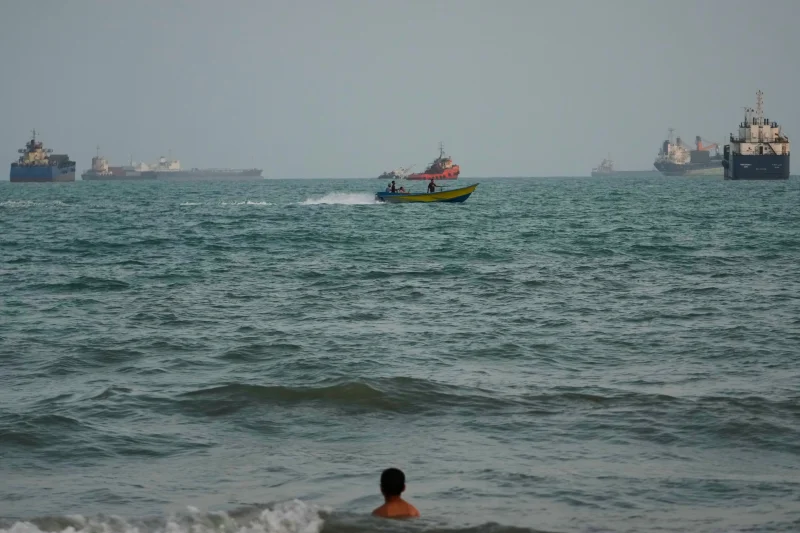
Iran has described US actions involving the Strait of Hormuz blockade as acts of war, while Washington has not indicated any intention to lift the pressure measure it views as leverage in negotiations.
At the same time, Iran has shown no clear willingness to scale back its nuclear programme or cut support for regional proxy groups—key demands from Trump’s administration.
For now, the ceasefire extension delays escalation, but the prospect of a swift resolution to the conflict remains uncertain.