Crude oil prices in the international market surged on Thursday as Iranian officials continued to reject the 15-point peace plan put forward by the United States to end the US-Israel conflict with Iran.
Tehran described the proposal as one-sided, unfair, and skewed in favour of the US and Israel.
Oil climbed 5.98 percent, reaching N108.3 per barrel, following Iran’s refusal to engage in peace talks amid the ongoing Middle East war.
“The price had dropped from N103 to $98 per barrel on Wednesday after the US President Donald Trump disclosed that America was in talks with Iran to end the crisis which has had a significant impact on energy prices across the globe,” analysts noted.
In Nigeria, petrol prices remain elevated, with the government-owned NNPC Limited selling at N1,261 per litre in Abuja, while major marketers retail at N1,371 per litre.
Before the crisis began in late February, NNPC’s rate was N860 per litre, and major marketers sold at N880 per litre.
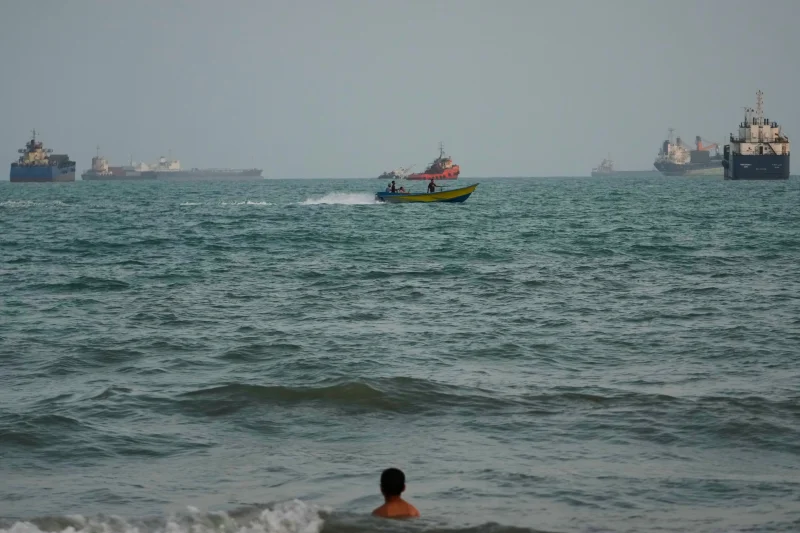
A senior Iranian official speaking to Reuters said that while diplomacy has not been ruled out, a realistic plan for peace talks is currently lacking. Tehran continues to assert its legal right to control and toll the Strait of Hormuz.
An official quoted by Iran’s Islamic Revolutionary Guard Corps-affiliated Tasnim News Agency stated that Iran’s exercise of sovereignty over the Strait of Hormuz is the country’s “natural and legal right.”
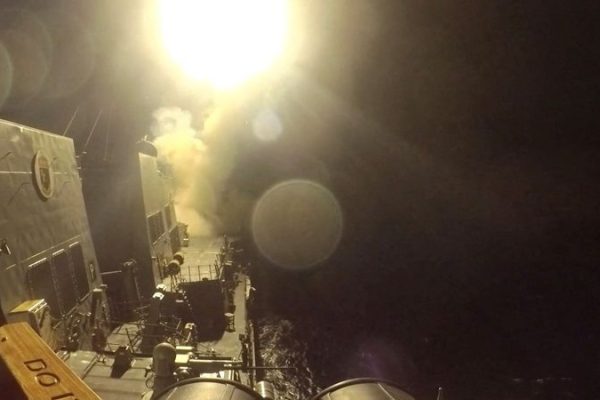
On Wednesday, US President Donald Trump presented Iran with a 15-point proposal demanding the dismantling of its nuclear programme, restrictions on missile development, an end to armed proxies in the region, and a halt to funding and arming regional allies.
However, reiterating Iran’s stance, the senior official told Reuters that the US plan “lacked the minimum requirements for success and served only US and Israeli interests.” He added, “if realism prevailed in Washington, a path forward may still be found,” noting that the proposal, relayed via Pakistan, “was reviewed in detail on Wednesday night by senior Iranian officials and the representative of Iran’s Supreme Leader.”
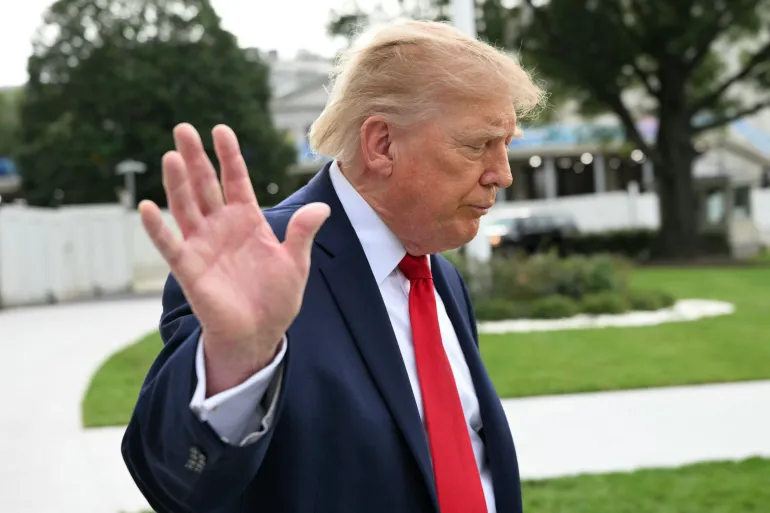
Trump urged Iran to take the negotiations seriously, claiming the country’s top officials feared participating “because they figure they’ll be killed by their own people.”
He wrote on Truth Social that Iran was “begging” for a deal after its foreign minister said messages via intermediaries did not constitute dialogue.
Calling Iranian negotiators “very different and strange,” Trump added: “They better get serious soon, before it is too late, because once that happens, there is no turning back, and it won’t be pretty.” He described the Iranians as “great negotiators” but questioned whether he was willing “to make a deal with them to end the war,” stressing that it was up to Iran’s leaders to convince him to halt military action.
Meanwhile, Iran rejected Trump’s choice of negotiators, Steve Witkoff and Jared Kushner, preferring instead to engage with Vice President J.D. Vance, according to The Guardian.
Witkoff and Kushner had led nuclear negotiations before the US and Israel launched strikes. Tehran reportedly viewed the previous negotiating team as a US strategy to deceive Iran into thinking it was negotiating in good faith.
“With the previous negotiating team, there’s no chance,” a diplomatic source told the Guardian. “The Iranian side regards the request for negotiations as another round of deception for the US-Israeli regime to find out a loophole to aggravate the strikes again.”
The source added that Vance, a Marine and former Iraq War public affairs officer, is viewed as more acceptable by Iran because of his skepticism toward US military intervention.
“If the negotiations are going to have any outcome, JD Vance should join,” the source said. “With Witkoff and Kushner, nothing will come out of it. We have seen that in the past.”
Trump, however, insisted he was not desperate to make a deal with Iran, blending threats with diplomacy in his push to conclude the conflict.
During his first cabinet meeting since the start of the US-Israeli operation, he asserted that Iran was being “beat to shit” and was “begging” for a deal, despite Tehran’s denials.
In related developments, Israel announced the killing of Iranian Navy Chief Alireza Tangsiri, who oversaw the blockade of the Strait of Hormuz.
Defence Minister Israel Katz said Tangsiri “was directly responsible” for the strait’s effective closure. Israeli Prime Minister Benjamin Netanyahu described the operation as “yet another example” of US-Israel cooperation and confirmed ongoing strikes across Iran.
During the cabinet meeting, Trump also said that taking control of Iran’s oil was “an option,” drawing comparisons with US involvement in Venezuela. “It’s an option,” he told reporters. “We did very well with Venezuela’s reserves.”