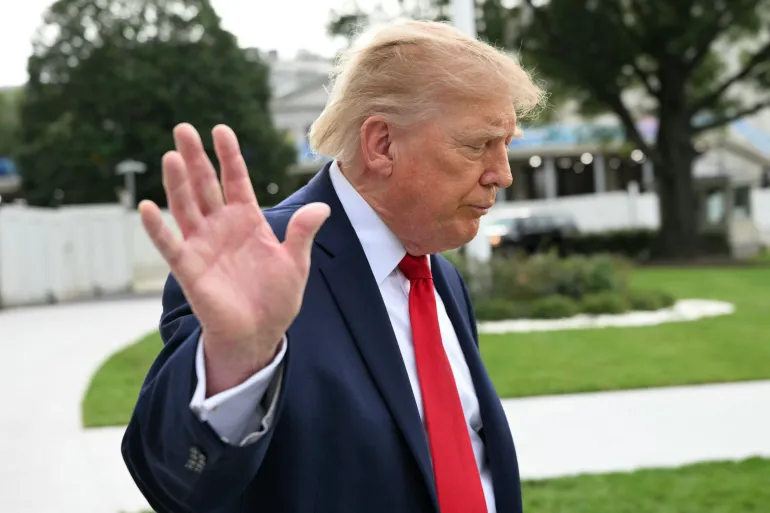
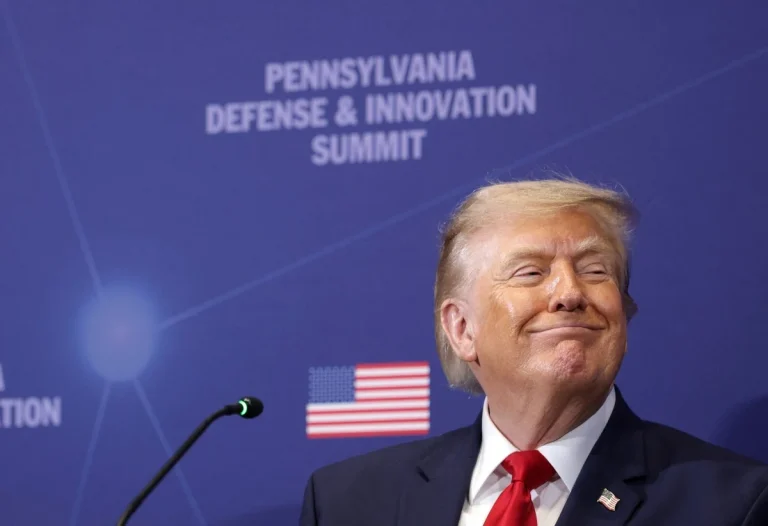
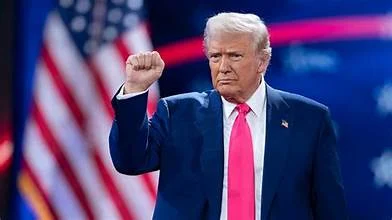
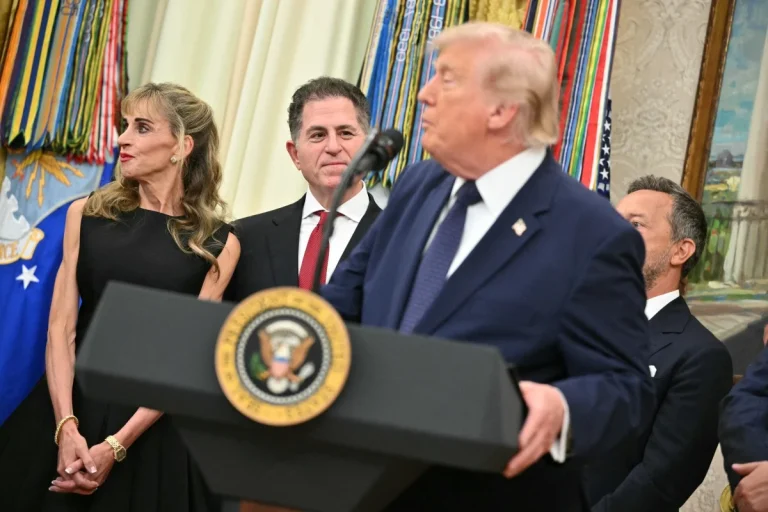
United States President, Donald Trump, on Monday said Washington and Tehran had engaged in “very good” talks aimed at ending the three-week Middle East conflict, leading to a surprise pause in threatened US strikes on Iranian energy infrastructure.
In a post on social media that triggered a sharp fall in oil prices, Trump said both sides had held “productive conversations” over the past two days working toward “a complete and total resolution” of hostilities in the region.
However, Iranian media quoted the foreign ministry denying that any such negotiations had taken place, while suggesting Trump was attempting to influence global energy markets, which have surged due to the ongoing war.
The comments were not addressed on state television’s main news bulletin.
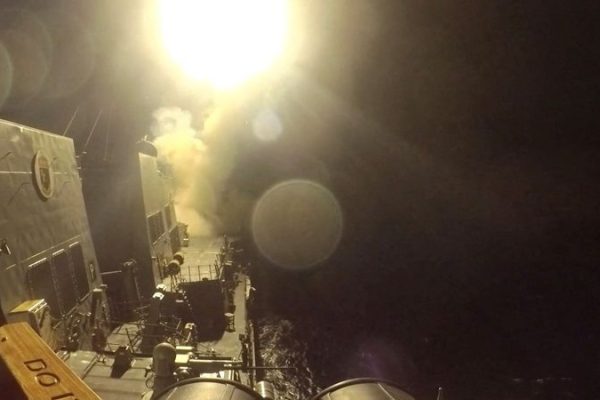
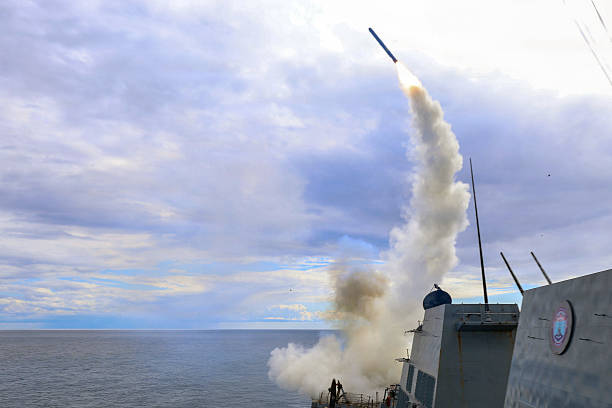
Trump maintained that, based on progress made in discussions, he had instructed the Pentagon to “postpone any and all military strikes against Iranian power plants and energy infrastructure for a five day period, subject to the success of the ongoing meetings.”
He added that the two sides would continue engagement “throughout the week.”
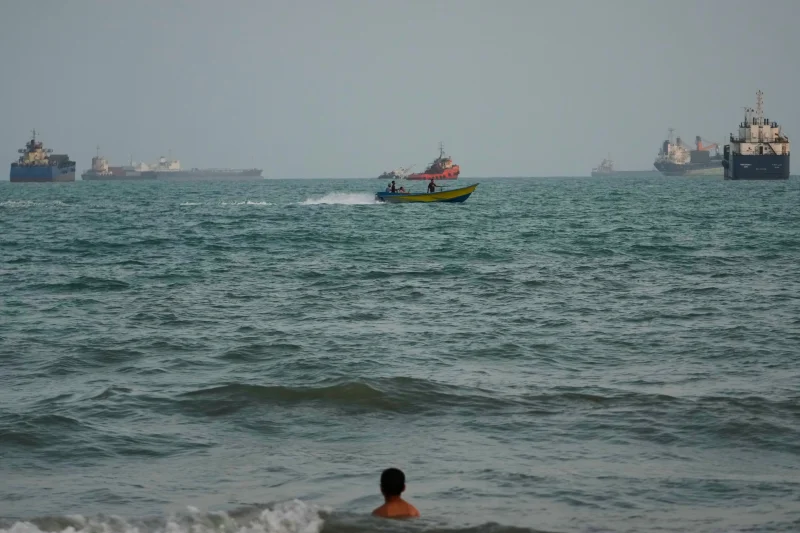
The announcement came shortly before a deadline set for Iran to reopen the Strait of Hormuz, with Trump warning it could face “obliterate” its power plants if it failed to comply.
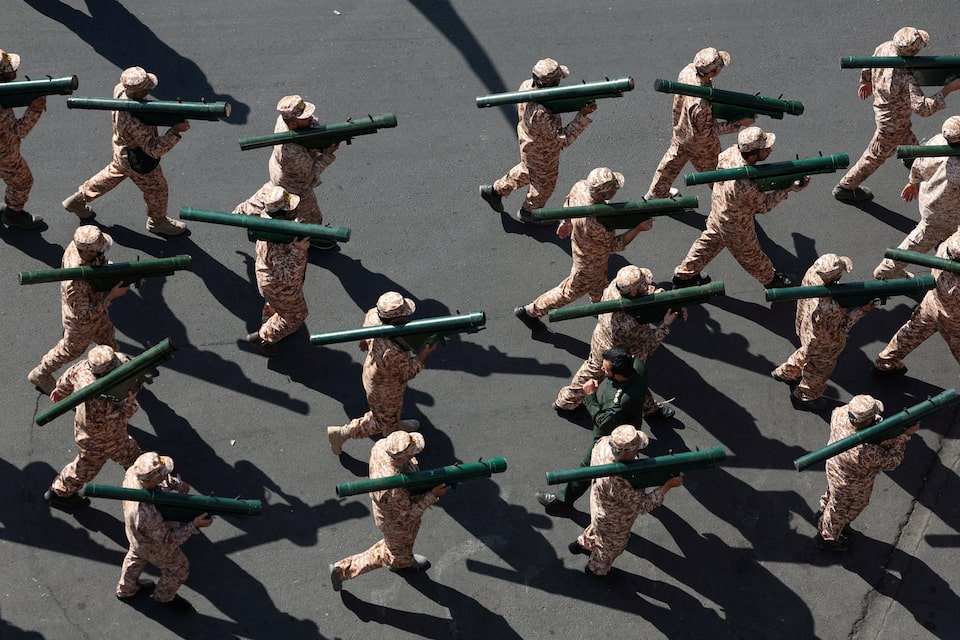
In response, Tehran had threatened to deploy naval mines in the Gulf and strike regional energy facilities, escalating rhetoric amid fears of a deepening global energy crisis.
Before the US announcement, Iran had already stepped up pressure on shipping through Hormuz, a key route for global oil supplies, while carrying out strikes on energy infrastructure and US diplomatic sites in the Gulf and Israel.
Israel also continued its military operations on Monday, launching fresh strikes on Tehran shortly after Trump’s statement, according to the military.
The head of the International Energy Agency Fatih Birol warned that a prolonged conflict could trigger oil supply losses worse than the combined impact of the 1970s oil shocks and Russia’s invasion of Ukraine.
Russian Foreign Minister Sergei Lavrov, speaking after Trump’s announcement, called for an “immediate cessation of hostilities,” adding in a call with Iranian Foreign Minister Abbas Araghchi the need for “a political settlement that takes into account the legitimate interests of all parties involved, above all Iran,” according to Moscow.
The crisis has pushed crude prices above $100 per barrel, though markets reversed sharply after Trump’s statement, with Brent crude falling more than 14 percent to $96 and US benchmark West Texas Intermediate also dropping over 14 percent.
China has meanwhile moved to cap domestic fuel price increases to cushion the impact of soaring global oil costs.
Israel has also expanded its ground operations against Hezbollah in Lebanon, warning of “weeks of fighting,” while the conflict has displaced more than a million people and caused over 1,000 deaths, according to Lebanon’s health ministry.
Iranian casualties have also been reported at more than 3,000, including civilians, though figures remain difficult to independently verify due to restricted access to affected areas.