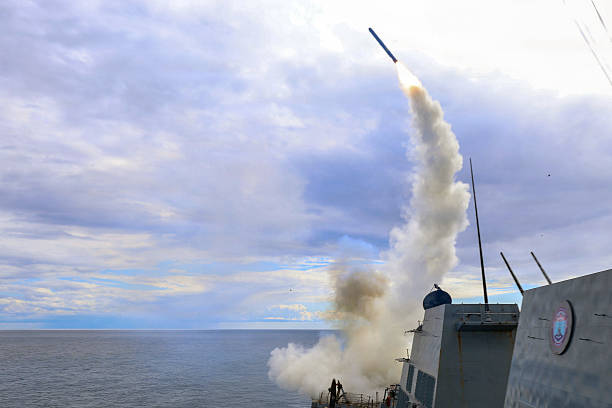
The United States has issued a stark warning to Iran amid escalating tensions over the strategic Strait of Hormuz, as both sides exchange threats targeting critical energy infrastructure across the Middle East.
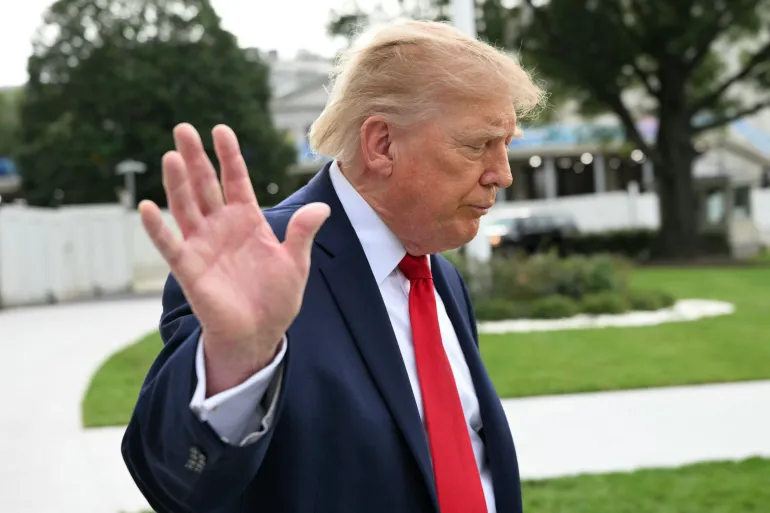
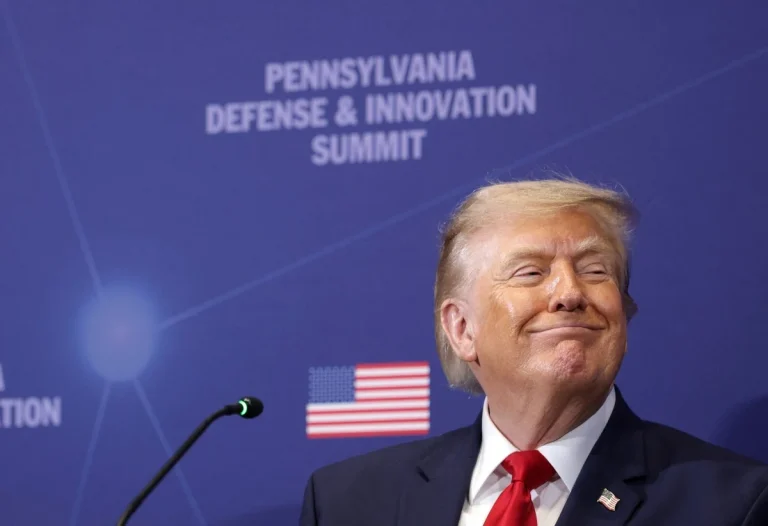
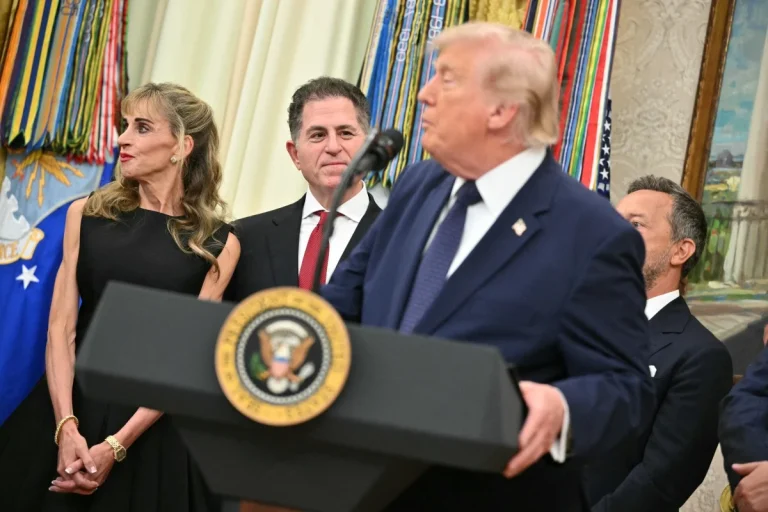
US President, Donald Trump, warned that Tehran could face the destruction of its energy facilities if it fails to reopen the vital shipping route within a 48-hour deadline, which expires today.
The ultimatum followed reports of Iranian missile strikes on southern Israel, where towns including Arad and Dimona were hit, leaving more than 160 people injured in what has been described as the most severe assault since the conflict began.
Israeli Prime Minister, Benjamin Netanyahu, has since vowed retaliation “on all fronts”.
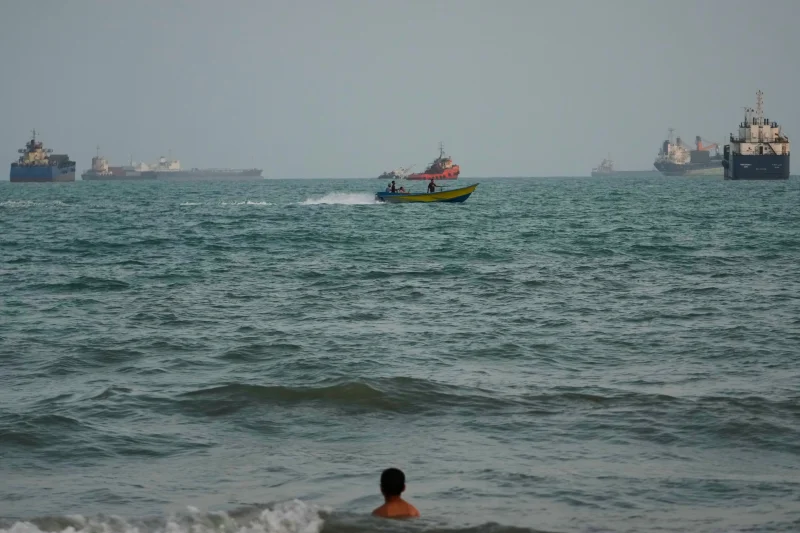
Iran had earlier restricted access to the Strait of Hormuz, through which roughly one-fifth of global crude oil supply passes during peacetime, using it as leverage in the ongoing conflict.
The move has triggered a sharp spike in global oil prices, with Brent crude rising above $105 per barrel, heightening fears of wider economic fallout.
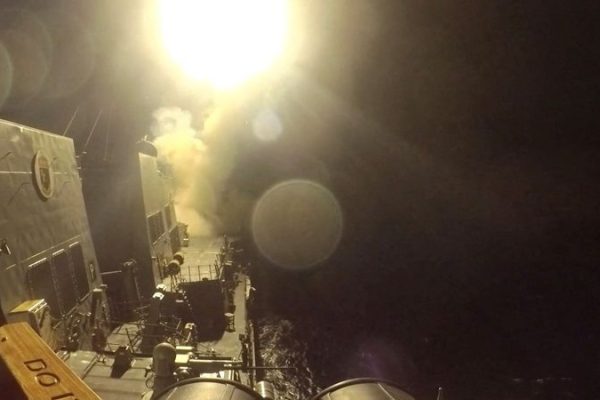
Despite earlier indications that Washington might scale back its military involvement after weeks of hostilities, the latest developments signal a possible intensification, with additional US Marines reportedly being deployed to the region.
Reacting to the US threat, Iran’s Foreign Minister, Abbas Araghchi, stated that restrictions were being applied only to vessels linked to countries participating in attacks against Iran, while assuring safe passage for neutral parties.
In a post on Truth Social, Trump reiterated his warning, stating that the US would “hit and obliterate various Iran power plants starting with the biggest one first if Tehran did not fully reopen the strait within 48 hours.”
Backing the president’s stance, US Treasury Secretary Scott Bessent suggested that further escalation may be necessary to bring the conflict to an end.
“They’re not mutually exclusive. Sometimes you have to escalate to de-escalate,” he said during an appearance on NBC’s “Meet the Press.”
“This is the only language the Iranians understand,” he argued.
Iran, however, responded with equally strong warnings. According to statements reported by the Fars News Agency, Tehran threatened to target energy and desalination facilities linked to the US and its regional allies if its own infrastructure is attacked.
Iranian parliament speaker Mohammad-Bagher Ghalibaf emphasized that energy installations across the region would become “legitimate targets” in the event of US strikes.
“Immediately after the power plants and infrastructure in our country are targeted, the critical infrastructure, energy infrastructure, and oil facilities throughout the region will be considered legitimate targets and will be destroyed in an irreversible manner, and the price of oil will remain high for a long time,” Ghalibaf said.
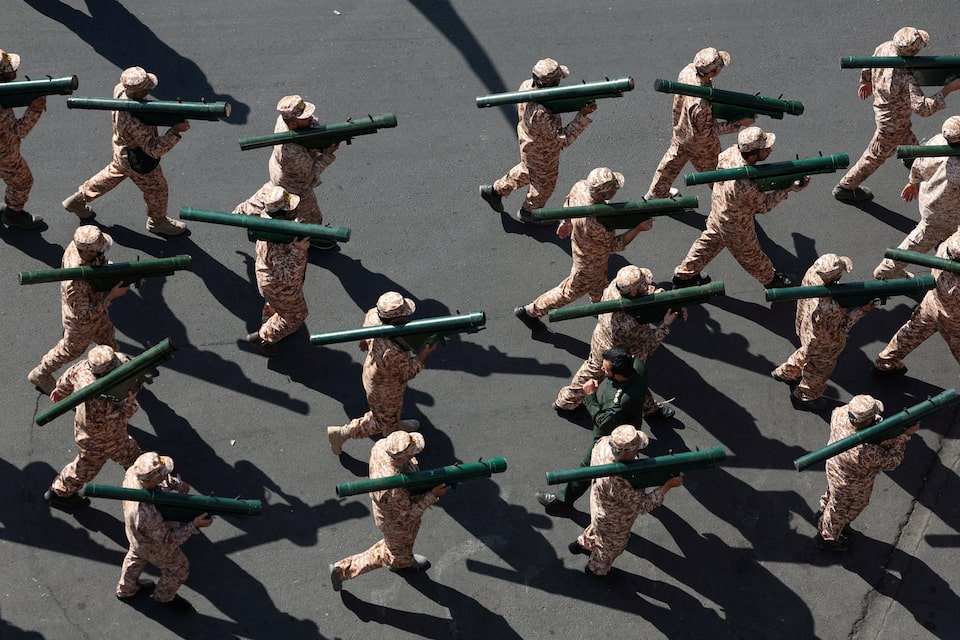
The Islamic Revolutionary Guard Corps (IRGC) also hinted at a broader scope of retaliation, referencing a “red target bank” that includes technological and political assets beyond the Middle East, with potential action possible “in less than 48 hours.”
Iran’s military further warned it could fully shut down the Strait of Hormuz if the US follows through on its threats.
“If the United States’ threats regarding Iran’s power plants are carried out… the Strait of Hormuz will be completely closed, and it will not be reopened until our destroyed power plants are rebuilt,” the Khatam Al-Anbiya operational command said in a statement aired on state television.
The military also indicated that Israeli infrastructure, including power plants and ICT systems, as well as facilities in Gulf countries hosting US bases, could be targeted.
Meanwhile, an Iranian lawmaker, Alaeddin Boroujerdi, claimed that vessels transiting the strait are being charged up to $2 million, describing it as part of a “new governing regime” in the waterway and asserting that “war has costs.”
On the battlefield, Iran said its strikes on Dimona were in retaliation for attacks on its nuclear facility in Natanz, a key site for uranium enrichment.
While Israel has not confirmed involvement in that strike, it acknowledged hitting a facility in Tehran allegedly linked to Iran’s missile programme.
The escalation has drawn concern from global health authorities. Tedros Adhanom Ghebreyesus, Director-General of the World Health Organization, warned that the situation has reached a “perilous stage,” particularly with both sides targeting nuclear-related facilities.
“No indications of abnormal or increased off-site radiation levels have been reported,” he said.
But he added, “Attacks targeting nuclear sites create an escalating threat to public health and environmental safety.
“Since the outbreak of hostilities, WHO has provided critical training to its own staff and UN personnel across 13 countries to help them respond effectively to public health threats in the event of a nuclear incident.
“I urgently call on all parties to exercise maximum military restraint and avoid any actions that could trigger nuclear incidents.
“Peace is the best medicine.”