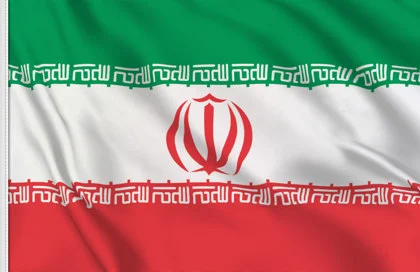
Iran has appointed Mojtaba Khamenei as its new Supreme Leader following the death of his father, Ali Khamenei, according to reports from Iranian state media.
The decision was announced on Sunday by Iran’s Assembly of Experts, the constitutional body tasked with selecting the country’s highest authority.
In a statement released after what officials described as a decisive vote, the Assembly called on citizens to remain united and support the new leadership.
“The nation must remain steadfast at this critical moment,” the statement read.
“We call on all Iranians, especially scholars and intellectuals in seminaries and universities, to pledge allegiance to the new leadership and safeguard national unity.”
The appointment follows the death of Ali Khamenei, who led the Islamic Republic for more than three decades after assuming office in 1989.
Reports indicate that the former leader was killed on February 28 during a joint military operation reportedly carried out by the United States and Israel targeting strategic leadership sites in Tehran amid rising tensions in the Middle East.
His death sparked intense debate within Iran over who would succeed him, with Mojtaba Khamenei widely seen as a leading contender despite concerns among some political and religious figures about the emergence of hereditary leadership within the Islamic Republic.
Mojtaba, a mid-ranking cleric, is believed to maintain strong links with the Islamic Revolutionary Guard Corps, one of the most powerful institutions in Iran’s political and security structure.
Political analysts say his selection represents one of the most significant leadership transitions in Iran in decades, particularly as regional tensions continue to escalate.
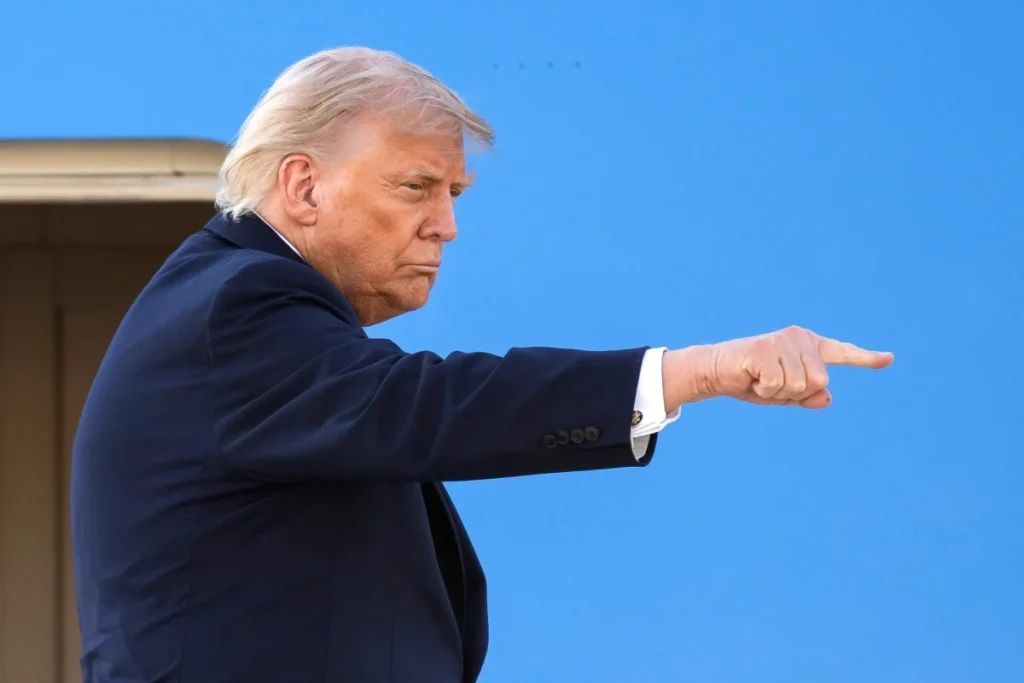
Meanwhile, former United States President Donald Trump had earlier voiced opposition to Mojtaba’s potential emergence as Iran’s leader.
Speaking before the announcement, Trump reportedly dismissed the cleric’s prospects, saying, “He should not be involved in determining the future leadership of Iran.”
Under Iran’s constitution, the Supreme Leader holds ultimate authority over the country’s armed forces, judiciary, and key state policies, making the position the most powerful office in the Islamic Republic.