Iran on Wednesday rejected claims by the United States about its missile programme, calling them “big lies,” following President Donald Trump’s assertion that Tehran is developing missiles capable of reaching the US.
During his State of the Union address on Tuesday, Trump accused Iran of having “sinister nuclear ambitions” as Washington ramps up military deployments in the Gulf.
The two countries are scheduled for a third round of talks on Thursday in Geneva, Switzerland, in an effort to reach a diplomatic resolution.
Trump stated that Tehran had “already developed missiles that can threaten Europe and our bases overseas, and they’re working to build missiles that will soon reach the United States of America.”
He added that Iran wants “to start all over again” with its nuclear programme and is “at this moment again pursuing their sinister nuclear ambitions.”
Responding on Wednesday, Iranian foreign ministry spokesman Esmaeil Baqaei dismissed the allegations without mentioning Trump by name.
“Whatever they’re alleging in regards to Iran’s nuclear programme, Iran’s ballistic missiles, and the number of casualties during January’s unrest, is simply the repetition of ‘big lies’,” Baqaei wrote on X.
Trump had also claimed that Iranian authorities killed 32,000 people during the protests that began in December and peaked on January 8 and 9.
While the West suspects Iran is pursuing an atomic bomb, Tehran maintains that its nuclear activities are for peaceful purposes. Trump has warned of potential strikes on Iran if a deal is not reached.
Tehran has repeatedly vowed to respond decisively to any attack, cautioning that even a limited strike “would be regarded as an act of aggression.”
“My preference is to solve this problem through diplomacy but one thing is certain: I will never allow the world’s number one sponsor of terror, which they are by far, to have a nuclear weapon,” Trump said.
Hours before Trump’s speech, Iranian Foreign Minister Abbas Araghchi indicated that an agreement to prevent a military confrontation was achievable.
“We have a historic opportunity to strike an unprecedented agreement that addresses mutual concerns and achieves mutual interests,” Araghchi wrote in a social media post.
He added that a deal was “within reach, but only if diplomacy is given priority.”
Araghchi reiterated that Iran will “under no circumstances ever develop a nuclear weapon,” while asserting its right to “harness dividends of peaceful nuclear technology.”
The US and Iran conducted five rounds of nuclear negotiations last year, which collapsed after an unprecedented Israeli strike on Iran sparked a 12-day conflict.
– ‘Red lines’ –
Domestically, Iranian university students resumed protests at the start of a new semester over the weekend, reviving slogans from nationwide anti-government demonstrations and keeping pressure on the leadership.
On Tuesday, the fourth day of campus protests, verified videos by AFP showed confrontations between two groups inside a large hall at a Tehran university.
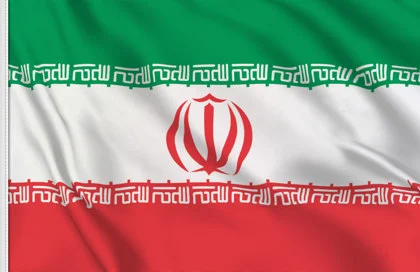
The previous day, students burned the flag adopted after Iran’s 1979 Islamic revolution, according to confirmed footage.
Government spokeswoman Fatemeh Mohajerani, commenting on the rallies, emphasized that students have a right to protest but must “understand the red lines.” She described the flag as one “of these red lines that we must protect and not cross or deviate from, even at the height of anger.”
The initial wave of protests in December, triggered by economic difficulties in sanctions-hit Iran, quickly escalated into nationwide demonstrations that challenged the ruling authorities.
The unrest led to a violent crackdown resulting in thousands of deaths. The US-based Human Rights Activists News Agency has documented over 7,000 fatalities but notes the toll may be significantly higher. Iranian authorities admit to more than 3,000 deaths, attributing the violence to “terrorist acts” fueled by the United States and Israel.