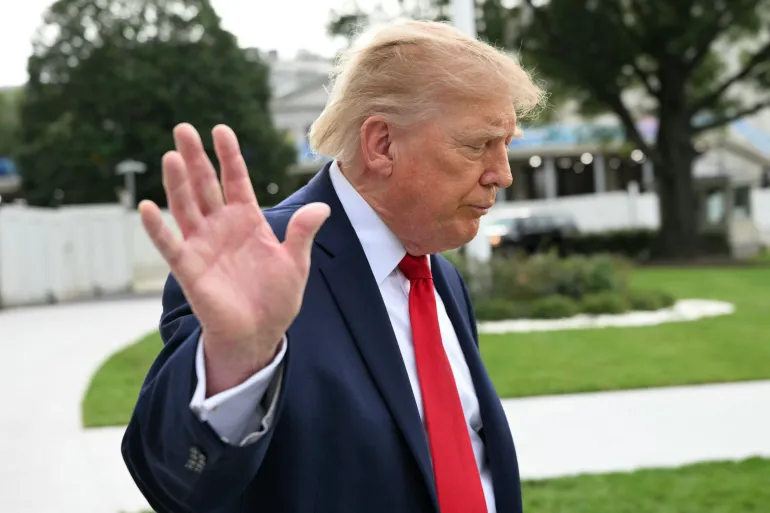
United States President, Donald Trump has insisted that any agreement with Iran must end with the country’s “unconditional surrender,” outlining what appears to be the administration’s hardline objective in the ongoing war.
In a post shared on his Truth Social platform on Friday, Trump ruled out the possibility of a compromise, even as Tehran confirmed that diplomatic mediation efforts are underway to halt the fighting.
“There will be no deal with Iran except UNCONDITIONAL SURRENDER!” Trump wrote.
“After that, and the selection of a GREAT & ACCEPTABLE Leader(s), we, and many of our wonderful and very brave allies and partners, will work tirelessly to bring Iran back from the brink of destruction, making it economically bigger, better, and stronger than ever before.”
Earlier, Iranian President Masoud Pezeshkian said several countries are attempting to mediate an end to the conflict. He stressed that Iran remains committed to peace in the region but is prepared to defend itself if necessary.
“Mediation should address those who underestimated the Iranian people and ignited this conflict,” Pezeshkian said in a social media statement.
The conflict has widened across the Middle East, triggering Iranian attacks around the Gulf and escalating clashes between Hezbollah and Israel, which have forced large numbers of people to flee their homes in Lebanon.
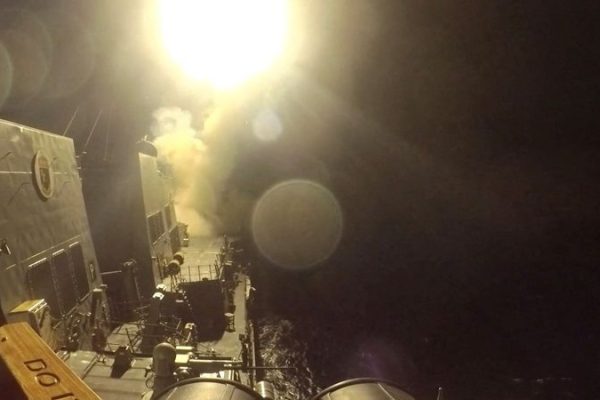
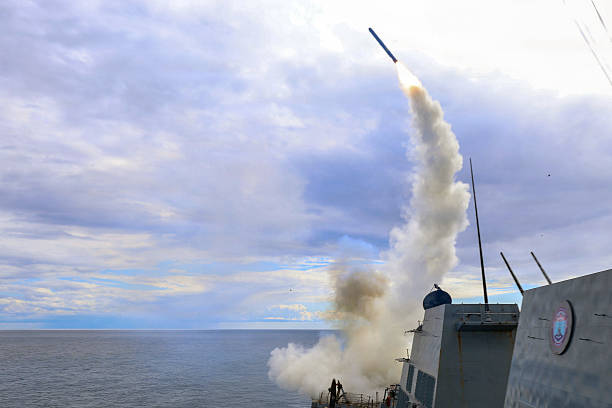
Iran has launched missiles and drones targeting Israel as well as US interests and facilities throughout the region. Iranian forces have also struck energy and civilian infrastructure in several Gulf states, further straining relations with Arab nations.
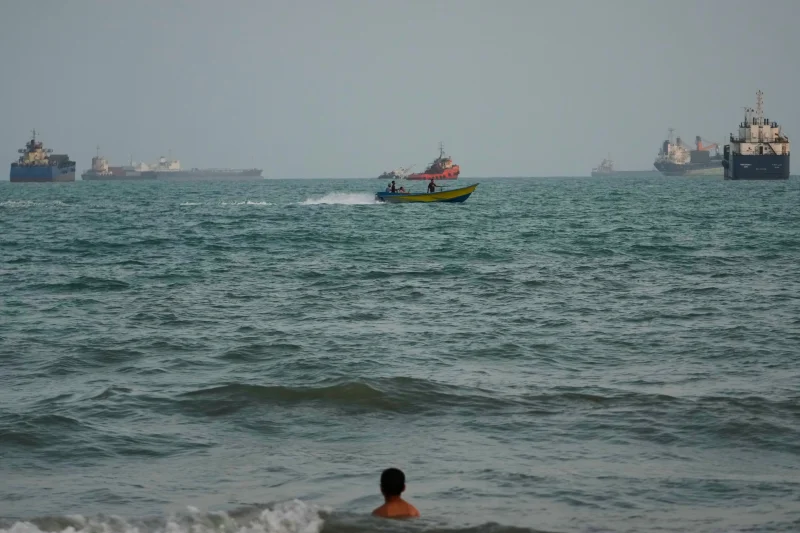
The fighting has also disrupted global energy markets. Tehran’s ability to largely shut down the Strait of Hormuz, one of the world’s most critical oil shipping routes, has driven a sharp surge in international oil prices.
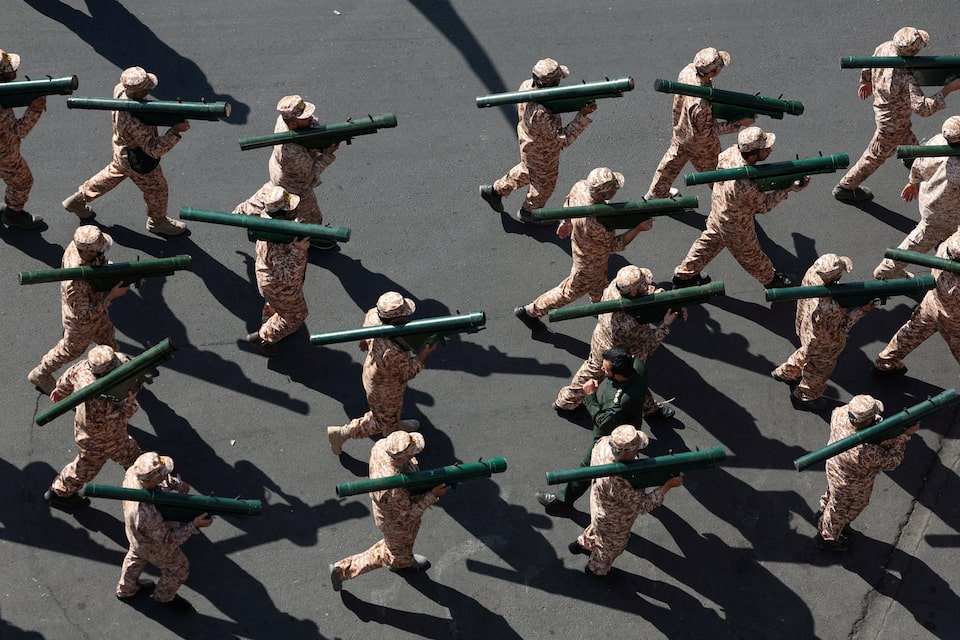
Despite the mounting casualties, Iranian officials have maintained a defiant stance since the outbreak of hostilities, saying the country is ready for a prolonged conflict and capable of resisting any potential US ground invasion.
Iran’s Foreign Minister, Abbas Araghchi, responded directly to Trump on Thursday, warning that Washington’s military strategy had already failed.
“Your Plan B will be even bigger failure,” Araghchi wrote on X.
On Friday, the top diplomat also shared an image showing the coffins of a mother and child, whom he described as victims of joint US-Israeli strikes.
“Our Brave and Powerful Armed Forces will avenge each and every Iranian mother, father, and child who has been targeted by hostile forces,” Araghchi wrote.
According to the UNICEF, at least 1,332 people have been killed in Iran since the war began, including 181 children.
The deadliest single incident occurred on the first day of the conflict when a strike hit a girls’ primary school in the southern city of Minab. Iranian authorities said about 180 pupils and staff members were killed in the attack.
The Trump administration has continued to project confidence about the war, with senior officials warning that the United States could “rain missiles” and unleash “death and destruction” on Iran if the conflict escalates further.
In recent days, Trump has also suggested he would like to replicate the approach used in Venezuela, keeping the existing governing structure in place while installing a leader more favourable to US interests.
On Wednesday, Trump said he would need to be “involved” in selecting a successor to Iran’s Supreme Leader, Ayatollah Ali Khamenei, who was assassinated in a US-Israeli strike on Saturday.
Speaking to CNN on Thursday, Trump said the situation in Iran could unfold “easily” like events in Venezuela earlier this year, when Delcy Rodríguez replaced Nicolás Maduro after the Venezuelan leader was abducted by US forces in January.
Rodríguez, who had previously served as Maduro’s vice president, later permitted Washington to sell Venezuelan oil and halted petroleum shipments to Cuba under the threat of further US military action.
Trump said he would not object if Iran’s next leader were a religious figure.
“I’m saying there has to be a leader that’s going be fair and just. Do a great job. Treat the United States and Israel well, and treat the other countries in the Middle East, they’re all our partners,” he told CNN.
Under Iran’s political system, the Supreme Leader must be a Shia Muslim religious scholar, and the successor to Khamenei would be chosen by the elected 88-member council known as the Assembly of Experts.