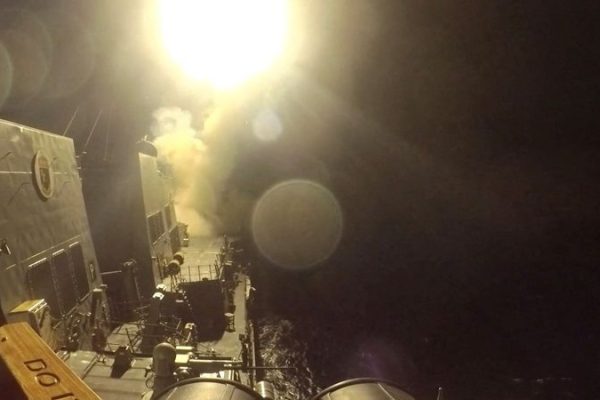
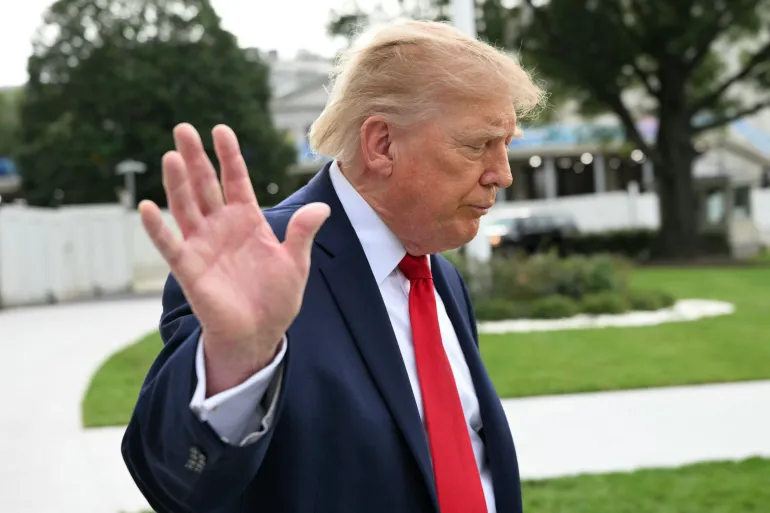
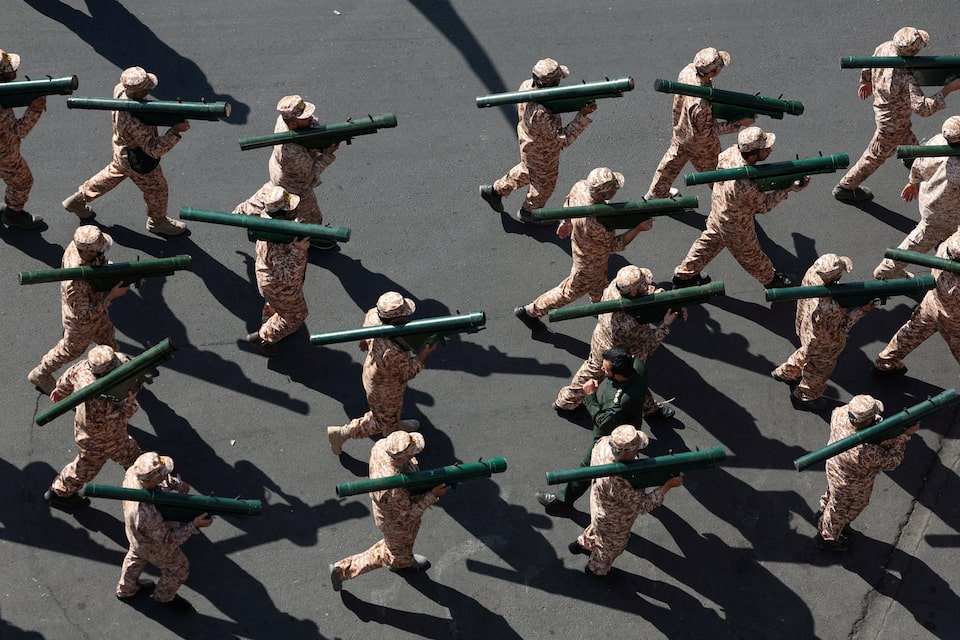
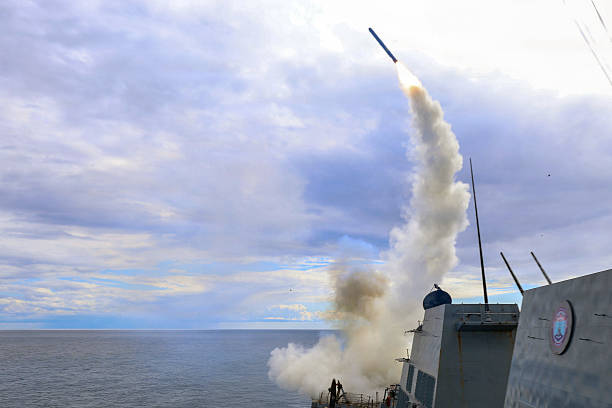
Several aides and advisers close to President Donald Trump are increasingly uneasy about the United States’ involvement in the escalating conflict with Iran, even as the president signals he is prepared to continue the war for as long as necessary.
Only days after the fighting began, some figures within the administration are already urging a faster exit strategy, worried about the political fallout of a prolonged conflict without a clear endgame or strong public support.
One Trump adviser acknowledged the risks, saying, “It’s a political risk, no ands, ifs or buts. Let’s just hope something doesn’t go really wrong. Because if that happens, it’s going to be a problem.”
The conflict has already claimed the lives of six American personnel, with officials warning that the death toll could rise in the coming days.
Meanwhile, financial markets have experienced turbulence and fuel prices have started climbing, developments that could complicate the administration’s political messaging ahead of the midterm elections.
Trump has framed the early phase of the operation as a success, highlighting the killing of Iran’s Supreme Leader, Ali Khamenei, and the destruction of strategic targets linked to the country’s nuclear ambitions.
However, early polling suggests the war is broadly unpopular among voters who remain wary of another prolonged military engagement in the Middle East. Republican strategist Matthew Bartlett warned that the political consequences could be severe if the conflict drags on.
“No one thinks this war is popular,” Bartlett said. “At best, this is a distraction from the priority of the economy. But at worst, this could be political disaster, and it could be a disaster for generations in Iran and for the Republican Party.”
Publicly, the administration has downplayed the political implications of the conflict.
White House press secretary Karoline Leavitt defended the decision to strike, saying, “The president’s main priority was acting in the best interest of the American people and our national security. Those priorities outweighed any other issue.”
Behind the scenes, however, officials have struggled to present a consistent explanation for the decision to go to war.
Administration figures have offered differing accounts about the urgency of the Iranian threat and the role of Israel in the decision to strike.
Marco Rubio initially suggested the United States joined the operation after concluding Israel was determined to strike Iran and retaliation against American forces was likely.
But Trump later contradicted that suggestion, saying, “If anything, I might have forced Israel’s hand.”
On another occasion, Leavitt explained that Trump’s decision to go to war was based on his “feeling” that was “based on fact” that Iran was preparing to attack the United States.
Within the White House, officials have also begun to scale back earlier suggestions that the military campaign aimed to bring about regime change in Tehran.
Instead, the administration is now emphasizing more limited objectives.
One Republican official involved in coordinating the party’s midterm efforts said the messaging was partly about lowering expectations, explaining, “It’s very much about managing expectations.” The official added that achieving stable new leadership in Iran remains “a pretty daunting task.”
Trump himself has given varying timelines for the war, at times suggesting it could last four to five weeks while also saying the military was prepared for the conflict to continue indefinitely.
Addressing the rapid escalation of events, the president remarked, “It happened all very quickly.”
Some advisers hope the United States could still secure a swift outcome that would allow the administration to declare victory after weakening Iran’s military capabilities and leadership.
Trump has previously cited developments in Venezuela as an example of how he would like regime change to unfold, describing it as “the perfect” model.
Still, allies acknowledge that Iran presents a far more complex challenge with fewer predictable outcomes.
Ultimately, some within Trump’s circle believe the political consequences of the conflict will depend largely on how Americans feel months from now. As one adviser put it, “What’s going to matter to normal people is where we are three to four months from now.” The adviser added that voters will ultimately focus on everyday economic realities, asking: “Is the price of electricity going down, are the price of groceries going down?”