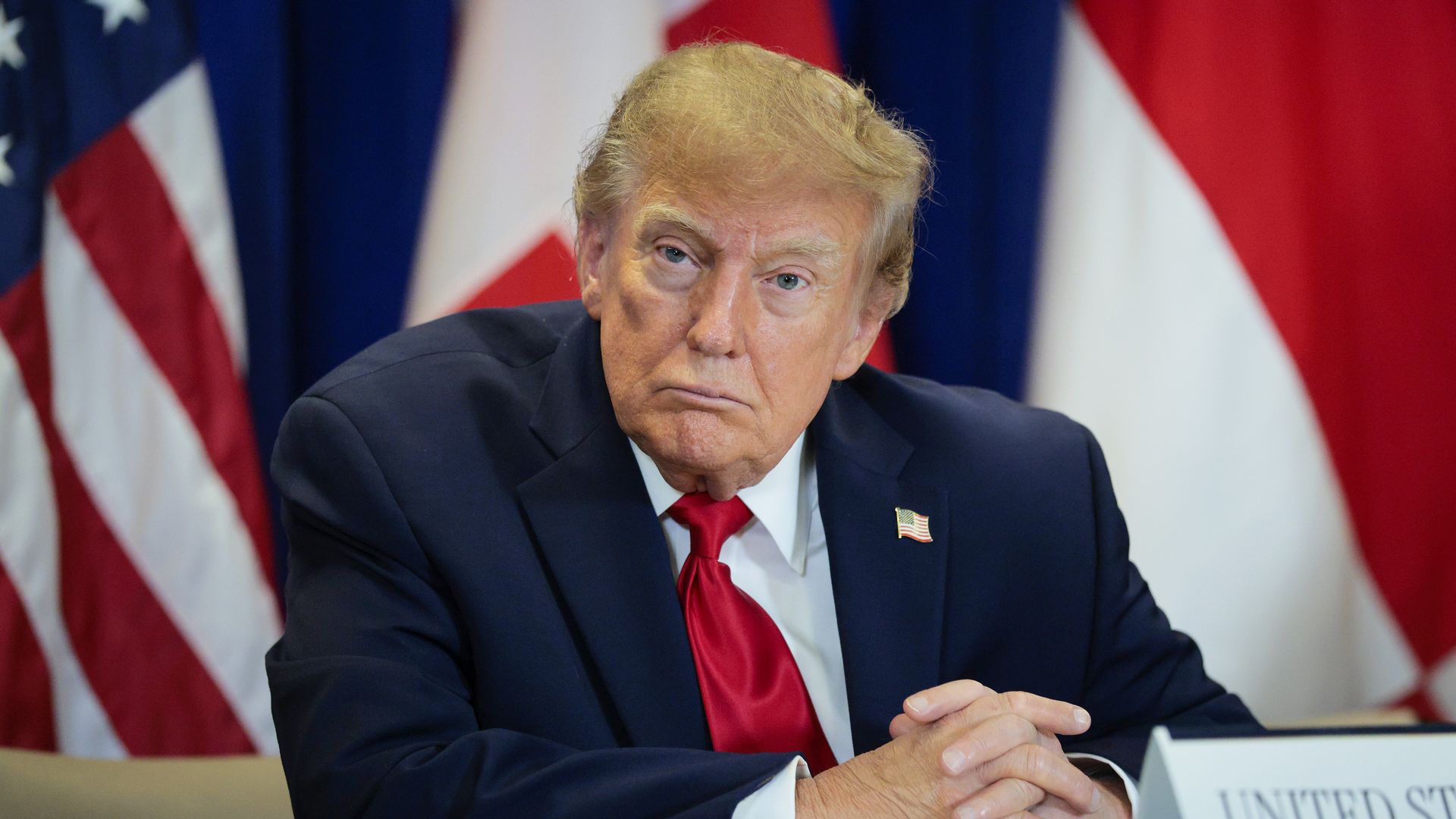
United States President, Donald Trump, moved swiftly on Friday to respond to a major setback from the U.S. Supreme Court, replacing tariffs it struck down with a temporary 10% global import duty that will be in place for 150 days.
Reuters reported that the court had ruled that the broad duties imposed under emergency powers were illegal, prompting Trump to shift strategies and use alternative legal authorities to sustain his trade agenda.
The Supreme Court decision declared illegal Trump’s sweeping global tariffs imposed under the International Emergency Economic Powers Act, concluding that he had exceeded his authority under that law.
In response, Trump issued an executive order to impose a new 10% tariff under Section 122 of the Trade Act of 1974, a statute that allows temporary duties to address serious balance-of-payments issues.
Trump acknowledged that the administration would pursue this alternate legal avenue, saying in remarks covered by multiple outlets that the new tariffs would be “over and above tariffs that are currently in place.”
He also indicated that his team planned to initiate several Section 301 unfair trade practice investigations aimed at protecting domestic industries, a tactic used in past trade actions.
“We have alternatives, great alternatives,” Trump said of the tools at his disposal, adding, “Could be more money. We’ll take in more money and we’ll be a lot stronger for it.”
Treasury Secretary Scott Bessent said the Supreme Court’s decision diminished Trump’s leverage by invalidating one legal basis for tariffs, but noted that other authorities remained available to the administration.
According to Bessent, shifting to the new tariff authority and ongoing investigations could allow the United States to maintain similar levels of tariff revenue despite the court’s ruling.
The temporary 10% global tariff is expected to take effect within days and will remain in place for up to 150 days.
Trump has also signaled that the administration will pursue longer-term investigations under other sections of trade law, potentially leading to more enduring tariffs on countries or products that are found to engage in unfair practices or pose national security risks.