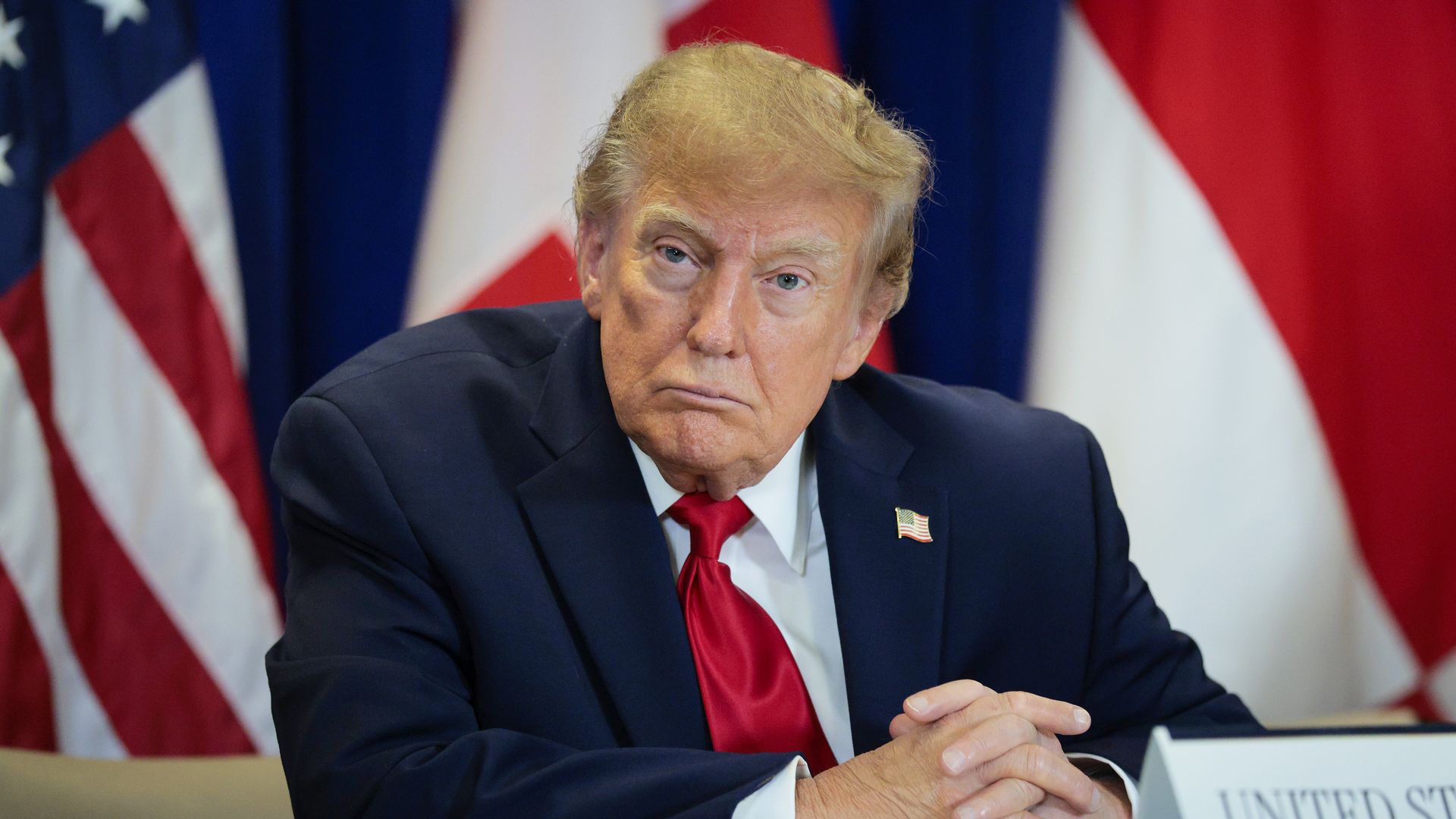
United States President, Donald Trump, has announced an expansion of America’s travel restrictions, adding five more countries to the full-entry ban and extending the measure to people travelling with Palestinian Authority–issued documents.
According to the White House, the new restrictions are designed “to protect the security of the United States” and are scheduled to take effect from 1 January.
Under the updated policy, nationals of Burkina Faso, Mali, Niger, South Sudan and Syria will face a complete suspension of entry into the US. Individuals holding passports issued or endorsed by the Palestinian Authority are also included in the full ban.
In addition, Laos and Sierra Leone, which were previously under limited restrictions, have now been moved to the full ban category.
Partial restrictions have been placed on 15 other countries, among them Nigeria, Tanzania and Zimbabwe.
Trump, who has pursued stricter immigration policies since returning to office in January, said the decision was driven by what his administration described as serious shortcomings in overseas screening and vetting systems.
US officials pointed to issues such as high visa overstay rates, weak or unreliable civil documentation, corruption, terrorism-related concerns and poor cooperation in taking back deported nationals.
The announcement came shortly after the arrest of an Afghan national suspected of shooting two National Guard troops during the Thanksgiving weekend, an incident the White House cited as underscoring its security concerns.
This marks the third time Trump has imposed a travel ban. During his first term, he introduced a similar policy in 2017, which triggered widespread protests and legal battles both within the US and internationally.
That order was eventually upheld by the US Supreme Court.
The White House said the restrictions will remain in force until the affected countries demonstrate “credible improvements” in identity management, information-sharing and collaboration with US immigration authorities.
Officials stressed that several exemptions apply. The ban does not cover lawful permanent residents, many existing visa holders, diplomats or athletes attending major international sporting events.
Case-by-case waivers will also be considered where travel is judged to be in the national interest.
Countries under full restrictions: Afghanistan, Burkina Faso, Burma, Chad, Equatorial Guinea, Eritrea, Haiti, Iran, Laos, Libya, Mali, Niger, Republic of the Congo, Sierra Leone, Somalia, South Sudan, Sudan, Syria, Yemen.
Individuals travelling on Palestinian Authority–issued or endorsed documents are also fully barred.
Countries under partial restrictions: Angola, Antigua and Barbuda, Benin, Burundi, Côte d’Ivoire, Cuba, Dominica, Gabon, The Gambia, Malawi, Mauritania, Nigeria, Senegal, Tanzania, Togo, Tonga, Venezuela, Zambia and Zimbabwe.