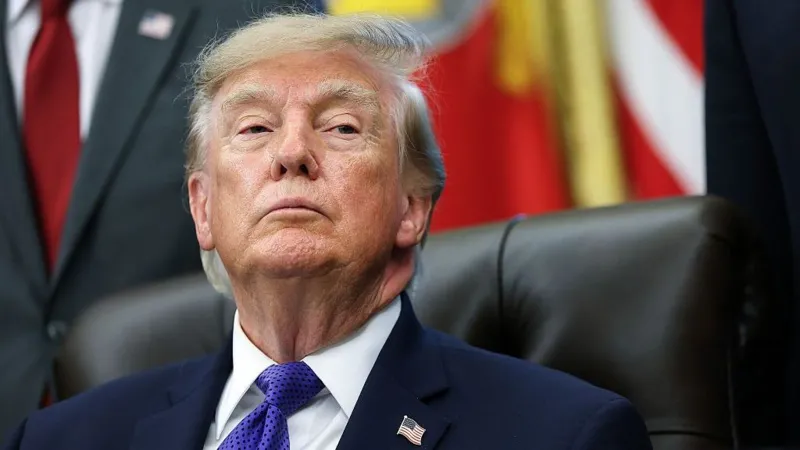
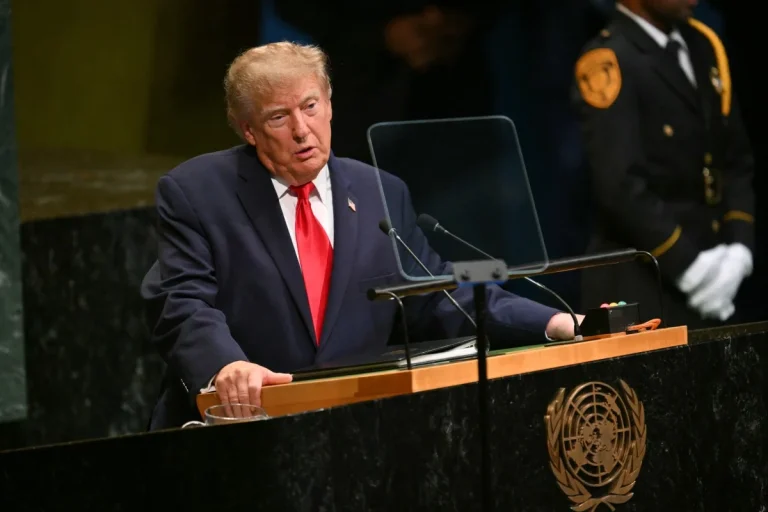
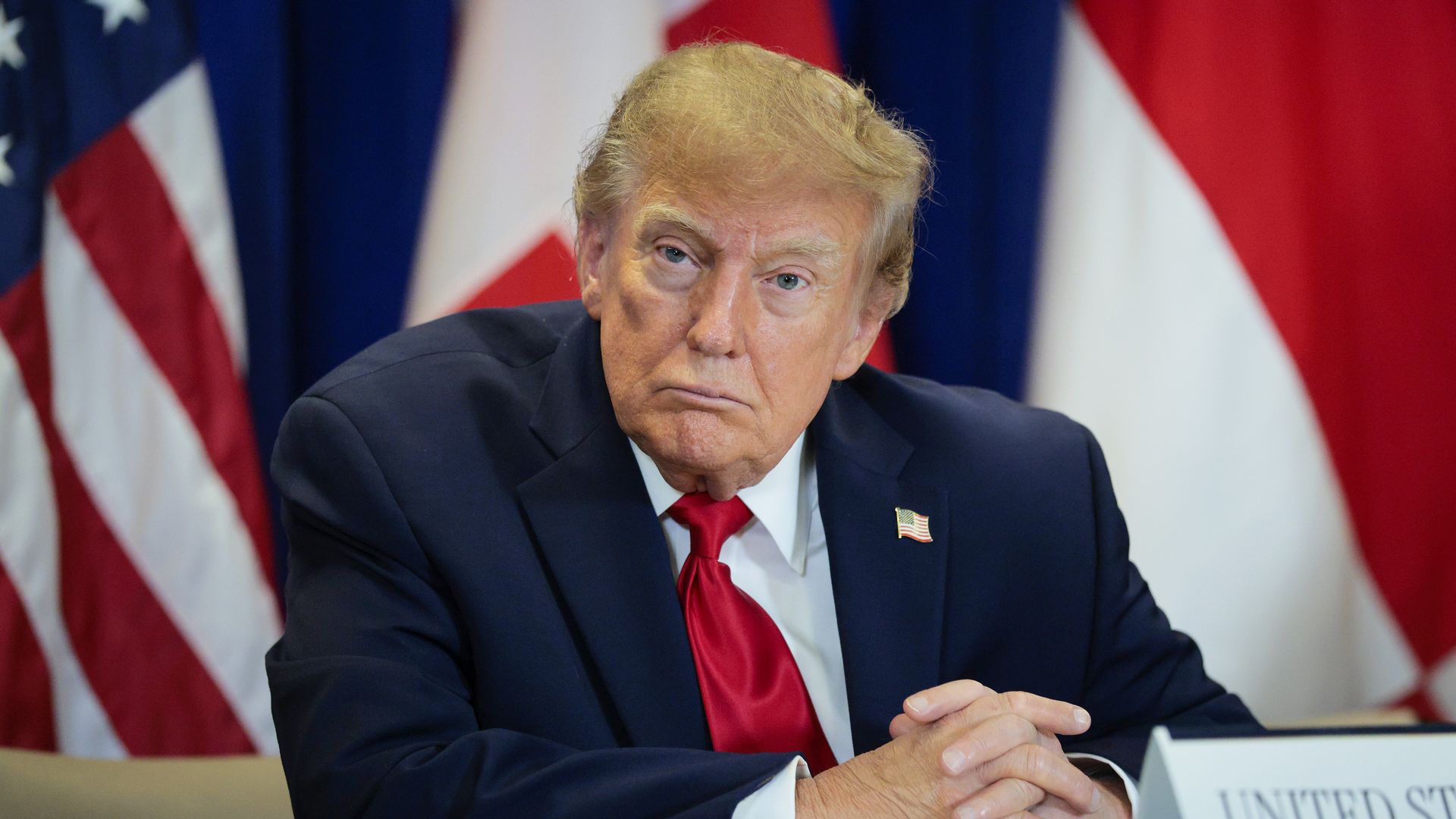
United States President, Donald Trump, has warned that he may shift matches away from host cities he considers unsafe during the 2026 FIFA World Cup.
The tournament, which will be co-hosted by the US, Canada, and Mexico, is set to feature 48 teams and 104 fixtures.
The US will stage 78 games, including the final, across 11 cities: Atlanta, Boston, Dallas, Houston, Kansas City, Los Angeles, Miami, New York/New Jersey, Philadelphia, San Francisco, and Seattle.
Despite FIFA’s authority over venue selection and tournament logistics, Trump insisted he would act if security concerns arose.
His influence is notable as he chairs the World Cup taskforce and maintains close ties with FIFA President Gianni Infantino.
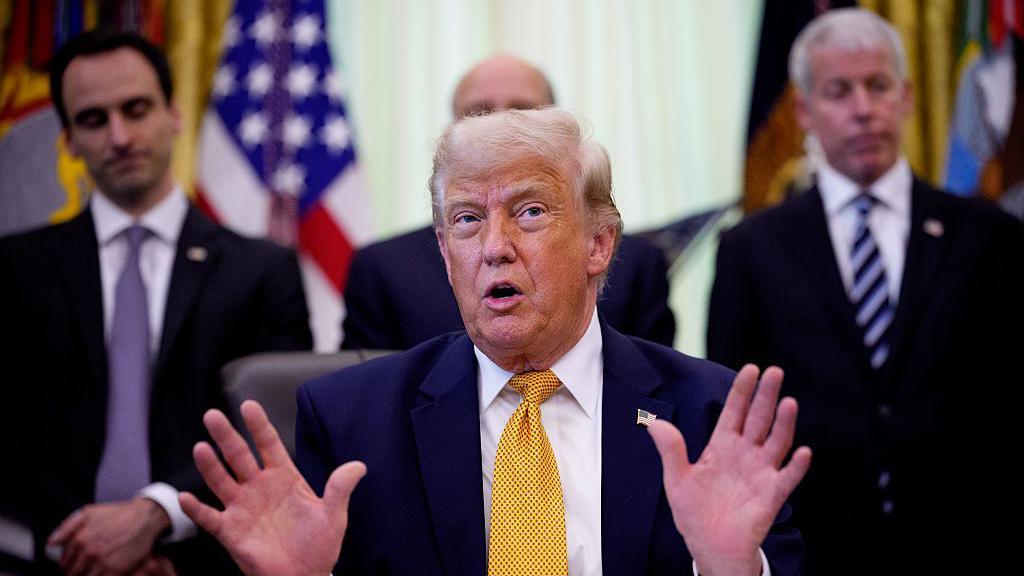
“It will be safe for the World Cup,” Trump said from the Oval Office. “If I think it isn’t safe, we’ll move it into a different city.”
Questions about Democratic-led cities Seattle and San Francisco, each set to host six matches, were raised, with Trump also pointing to Los Angeles, which will stage eight World Cup fixtures and later the 2028 Olympics.
“If any city we think is going to be even a little bit dangerous for the World Cup, or for the Olympics, but for the World Cup in particular, because they’re playing in so many cities, we won’t allow it to go. We’ll move it around a little bit,” he added.
Trump has made crime reduction a hallmark of his presidency. He recently deployed National Guard units and federal officers to Washington DC, even as crime levels have declined since peaking in 2023.
Plans are also underway to send troops into Memphis and Chicago. In June, 2,000 National Guardsmen were ordered to Los Angeles to handle unrest following immigration raids.
The World Cup group stage draw is set for 5 December in Washington DC, while the tournament itself will run from 11 June to 19 July.
This is not Trump’s first foray into World Cup matters. In May, he suggested Russia’s inclusion could be an “incentive” to halt the war in Ukraine, despite the team’s suspension by FIFA and UEFA since 2022 and the qualifiers already being underway.
Earlier in March, he argued that political and trade disputes between the US and its co-hosts, Canada and Mexico, could actually benefit the competition, shortly after slapping tariffs on both neighbours.