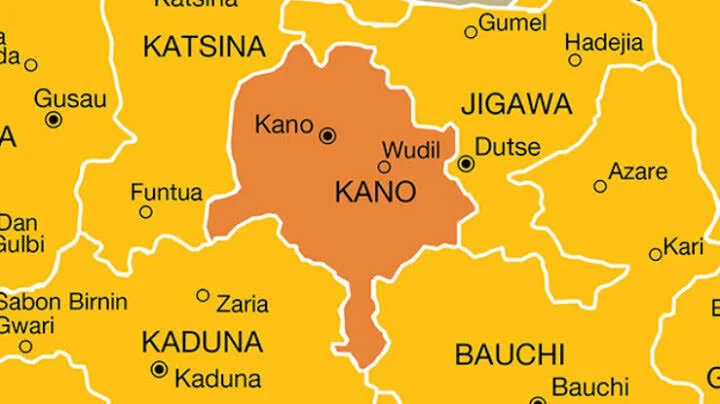
The United Nations Children’s Fund has called on the Kano State Government to place children at the heart of its 2026 fiscal planning, emphasizing that urgent action is needed to address the dire challenges facing over 6.5 million children in the state.
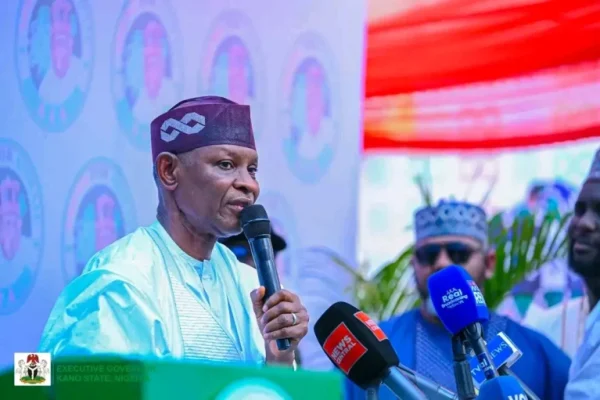
Speaking during a media dialogue on child-sensitive budgeting held in Kano on Tuesday, Chief of UNICEF’s Field Office in Kano, Mr. Rahama Farah, stressed that the era of empty promises must end.
He urged the state government to ensure that the forthcoming budget visibly reflects the real needs of children.
“The time for promises is over,” Farah declared. “The next budget must clearly reflect the real needs of the over 6.5 million children living in the state.”
Highlighting the importance of intentional planning, Farah described child-sensitive budgeting as a critical and non-negotiable investment in Kano’s future.
“We gather today not just for dialogue, but for urgent action. Our agenda is singular and critical, ensuring Kano State’s budgets and plans consciously, deliberately, and effectively prioritize the well-being, development, and protection of every child,” he said.
Despite some ongoing efforts to improve the situation of children in the state, Farah pointed to sobering statistics that highlight the urgency of reform.
He disclosed that about 143,000 children under the age of five die annually in Kano, while more than 2.9 million are not fully immunized and over 2.3 million remain out of school.
“Around 4 million children in Kano experience multidimensional poverty, lacking essential access to health, education, and nutrition services,” Farah said.
He added that over 3 million children are living in monetary poverty, with families struggling to meet their basic needs.
The situation is further compounded by poor dietary conditions, as nearly 4.7 million children aged 6 to 23 months do not receive the minimum acceptable diet needed for healthy development, leading to stunted growth in more than 3 million under-five children.
Farah explained that genuine child-sensitive budgeting goes beyond token allocations to sectors like health and education.
“It requires targeted, visible, and transparent investments in children’s survival, development, and protection, especially those living in hard-to-reach areas or in poverty,” he emphasized.
UNICEF has raised concerns that key child-focused programmes, particularly in nutrition, early childhood education, and child protection, are still severely underfunded in the state.
Farah urged the state’s policymakers to prioritize these critical areas within the Medium-Term Expenditure Framework and the upcoming 2026 budget.
“Investing in children’s health, nutrition, education, protection, and participation is not charity; it is an essential and strategic investment by Kano State. It’s an investment in Kano’s future human capital to break cycles of poverty, build resilience, and secure lasting peace and prosperity,” he said.
Also speaking at the event, the Deputy Speaker of the Kano State House of Assembly, Muhammad Bello Butu-Butu, reaffirmed the legislature’s commitment to children’s welfare.
He assured stakeholders that the Assembly is ready to pass new laws or amend existing ones to improve the well-being of children and citizens alike.
“Children are the future of the state, and the House is committed to passing new laws or amending existing ones to improve the lives of children and citizens in general,” he stated.
He called on ministries and departments to step up efforts in fund utilization and ensure that budgeted allocations are released and used for their intended purposes.
“The House of Assembly is also committed to its oversight responsibilities. We now consider performance before making allocations,” Butu-Butu added.
He further urged professionals and civil society groups to take an active role during the budget public hearings to ensure children’s needs are not sidelined.
“During the budget presentation, professionals, media and CSOs must contribute their quota. They should speak up to make sure children are properly prioritized in the budget,” he said.