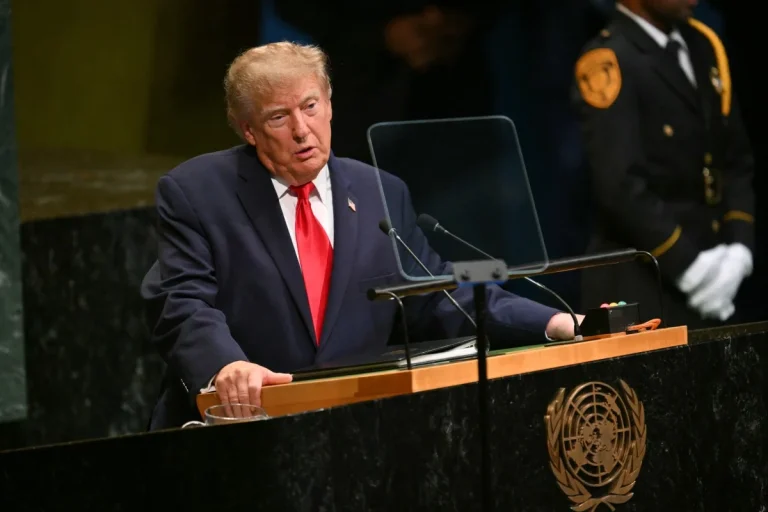
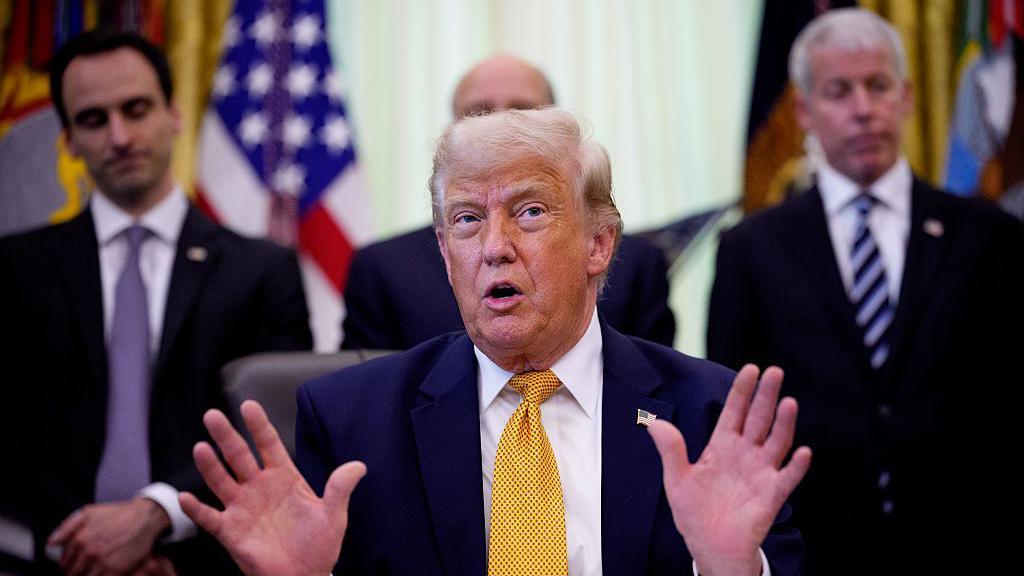
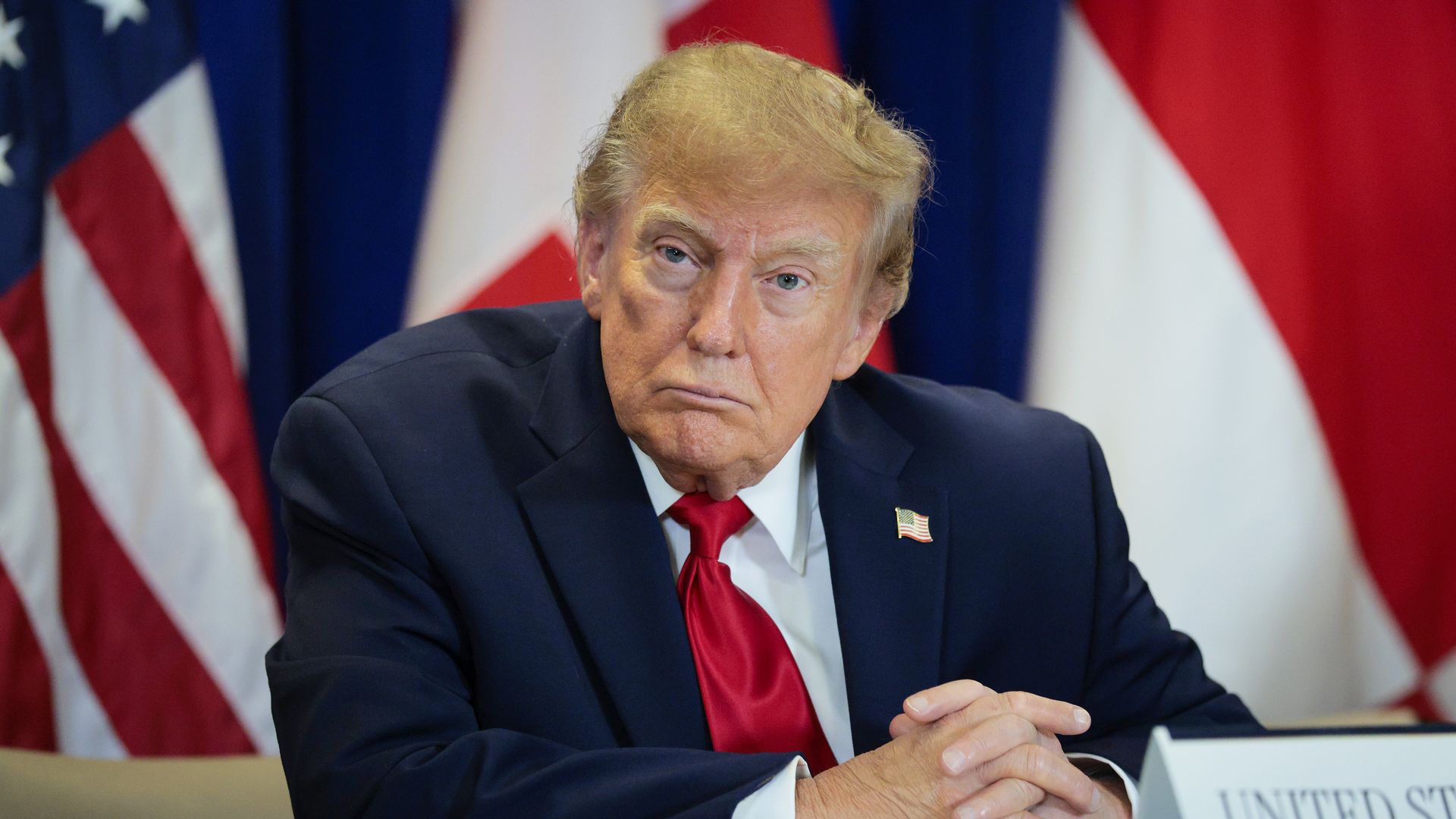
In a sharp escalation of trade hostilities, United States President, Donald Trump, on Thursday night threatened to impose a 35% tariff on goods imported from Canada, a move that could deepen the ongoing trade standoff with one of America’s closest allies and largest trading partners.
In a separate conversation with NBC News, Trump hinted at even broader tariff hikes, signaling that other U.S. trading partners could also see increased rates soon.
The developments mark the latest turn in what has become an unpredictable trade policy environment, one that continues to unsettle investors, governments, businesses, and everyday Americans.
Uncertainty around tariff implementations has made long-term planning nearly impossible for many.
It remains unclear whether Trump’s proposed tariffs, expected to take effect on August 1, would apply to all Canadian imports or just to a select group of already-tariffed items.
“Throughout the current trade negotiations with the United States, the Canadian government has steadfastly defended our workers and businesses,” Canadian Prime Minister Mark Carney said in a statement posted to X.
“We will continue to do so as we work towards the revised deadline of August 1.”
Trump’s fresh tariff threats arrive amid a flurry of letters sent over the past week to international leaders, outlining new import tariff rates scheduled for implementation starting in August unless new agreements are reached. Nearly two dozen such letters have been sent so far.
Canada, by far the largest U.S. trading partner to receive one of the letters this week, has been engaged in negotiations with Washington in hopes of finalizing a deal before a July 21 deadline.
NBC News reported that during an interview with “Meet the Press” host Kristen Welker, Trump declared that countries yet to receive letters or sign trade frameworks would face a blanket tariff.
The U.S. currently levies a 10% tariff on most foreign imports, but Trump signaled a potential doubling.
“We’re just going to say all of the remaining countries are going to pay, whether it’s 20% or 15%. We’ll work that out now,” he said, according to NBC.
Commerce Department data shows Canada imported $349 billion worth of American goods last year, making it the largest buyer of U.S. exports.
Analysts warn that targeting Canada with steep tariffs could prompt retaliatory actions that hurt American producers. Trump, however, has vowed to respond to any such retaliatory moves with even steeper tariffs.
Meanwhile, containers sit at Tecon Rio Grande in Brazil, another nation notified by Trump of new tariff rates effective August 1, absent an agreement.
Canada exported $413 billion worth of goods to the United States in the past year, ranking third among U.S. foreign import sources.
History of Trade Friction
Trump’s friction with Canada predates his latest term. Just weeks after winning the 2024 election, he threatened to slap a 25% tariff on all imports from Canada and Mexico, vowing to do so on his first day in office unless illegal immigration and the influx of fentanyl were halted.
Though the tariffs were initially delayed by 30 days, they eventually went into effect on March 6.
However, exemptions were made for goods complying with the United States-Mexico-Canada Agreement, blunting the impact on both neighbors.
The following day, on March 7, Trump raised the specter of additional levies targeting Canadian lumber and dairy, accusing Ottawa of exploiting the U.S. trade system.
“Canada has been ripping us off for years on lumber and on dairy products,” Trump said from the Oval Office. He specifically took issue with Canada’s approximate 250% tariff on American dairy, promising to match those tariffs “dollar-for-dollar.” Still, the plan was never implemented.
Just in June, Trump again threatened tariff hikes over Canada’s planned retroactive digital services tax, which would have largely affected major American tech firms. Canada later suspended the tax to keep trade negotiations on track.
Despite the ongoing friction, Trump has occasionally expressed a peculiar admiration for America’s northern neighbor, once suggesting Canada could become the 51st U.S. state, a notion Canadian officials have consistently and flatly rejected.
Trump’s administration has already levied significant tariffs on Canadian exports including 50% on steel and aluminum and 25% on most vehicles and auto parts that fail to meet USMCA criteria.
In response, Canada imposed a 25% tariff on non-compliant U.S.-made cars and retaliated against steel and aluminum tariffs with duties on billions of dollars’ worth of American products—from whiskey and sporting goods to home appliances.
Fentanyl Factor Resurfaces
Trump also brought the fentanyl crisis back into the spotlight in Thursday’s letter, referencing it as one of the original motivations for trade penalties against Canada.
Yet, official U.S. data shows only a negligible amount of fentanyl enters the country via the Canadian border. Of the 21,889 pounds seized in fiscal year 2024, only 43 pounds, or 0.2%, came from the Canadian side.
“If Canada works with me to stop the flow of Fentanyl, we will, perhaps, consider an adjustment to this letter. These Tariffs may be modified, upward or downward, depending on our relationship with your Country,” Trump wrote.
Carney replied late Thursday, emphasizing Canada’s proactive steps on the issue.
“Canada had made vital progress to stop the scourge of fentanyl in North America,” he said.
“We are committed to continuing to work with the United States to save lives and protect communities in both our countries.”
Earlier this year, then-Prime Minister Justin Trudeau appointed a “Fentanyl Czar” and introduced new border security measures to target drug smuggling, including fentanyl.
Reacting to Trump’s latest announcement, Canada’s Conservative opposition leader, Pierre Poilievre blasted the tariff threat, calling it economically harmful.
“Canada has long been a reliable partner and trusted friend to the United States. These tariffs will damage both our countries,” Poilievre posted on X.