The Nigeria Football Federation has reiterated that it has not received any communication from FIFA regarding its petition challenging the eligibility of certain Democratic Republic of Congo players used during the 2026 World Cup African play-off.
The matter, the federation insists, remains under review.
The statement comes in response to reports claiming that FIFA had rejected Nigeria’s appeal following the Super Eagles’ 4–3 penalty defeat to DR Congo, after a 1–1 draw in the play-off final last November.
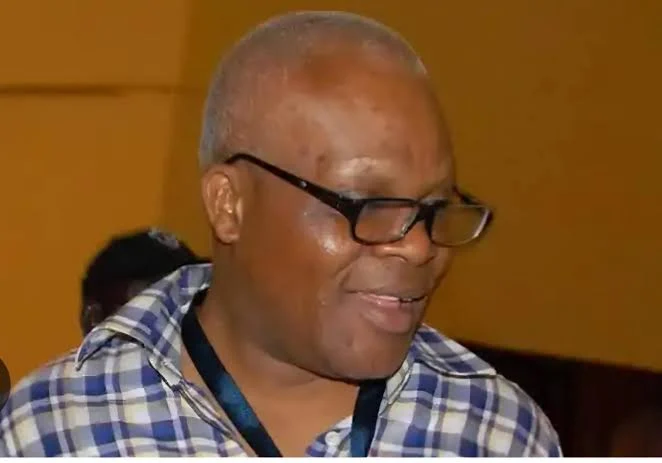
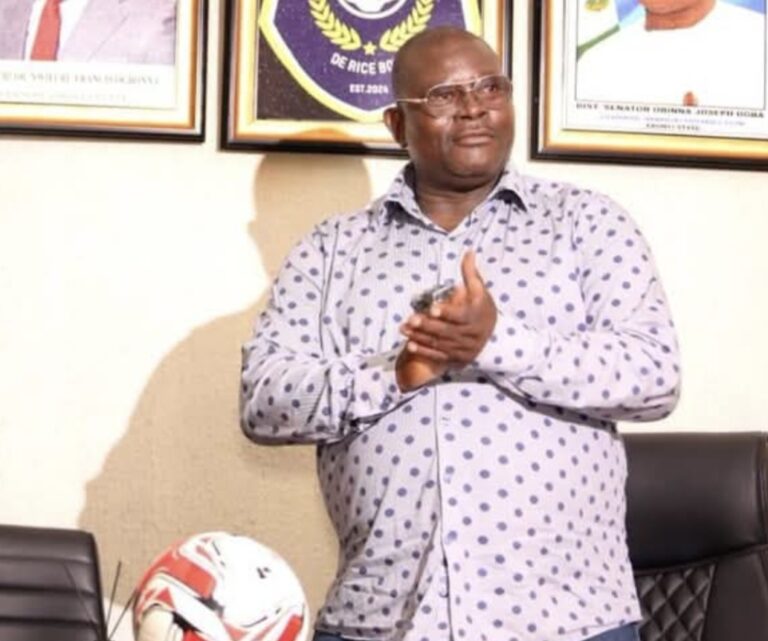
Speaking on the issue, NFF Secretary General Dr Mohammed Sanusi told AIT that no official correspondence has been received from FIFA on the petition.
“The Nigeria Football Federation wrote a petition to FIFA on the eligibility of some of the players of DR Congo, and if there is anything, FIFA will reply to the NFF,” Sanusi said.
“The NFF has not received any letter from FIFA saying they have thrown away our petition. We have checked our emails, and there was no letter from FIFA.
“I don’t know where they got their information from. If there is any such letter, let them show it, unless they have someone in FIFA giving them information ahead of official communication.”
Nigeria’s petition focuses on claims that some players fielded by DR Congo were ineligible under both FIFA regulations and Congolese national law. The NFF specifically argues that players including Aaron Wan-Bissaka and Axel Tuanzebe should not have been cleared, as Congolese law does not permit dual citizenship.
“Our contention is that FIFA was deceived into clearing them,” Sanusi had said in an earlier statement. “The Congolese rule (law) says you cannot have dual nationality, but some of their players have European and French passports.
“What we consider to be a breach of FIFA regulations is there. We are saying it is fraudulent.”
The federation says it has submitted relevant documents and legal arguments to support its claims and is awaiting FIFA’s decision.
Meanwhile, the Congolese Football Federation (Fecofa) has dismissed the petition, calling it an attempt to overturn the result administratively. In a statement shared on its platforms, Fecofa said Nigeria should “play the World Cup with dignity and confidence, not with lawyer tricks,” describing the move as the action of “bad losers.”
What the law says
FIFA regulations allow a player to change the national association they represent only once, through a formal request approved by the Players’ Status Committee. While multiple passports are permitted, eligibility must also comply with the country’s domestic nationality laws.
When a formal protest is submitted, FIFA may dismiss it if evidence is lacking, open an investigation leading to administrative sanctions such as fines or warnings, or, in severe cases, impose sporting sanctions. These can include forfeiture of matches or awarding results to the opposing team where there is clear evidence of administrative breaches.
Past cases include South Africa being deducted points during the 2026 qualifiers for fielding a suspended player, and Equatorial Guinea facing sanctions over Emilio Nsue’s eligibility, although the latter was later reversed without restoring lost points.
Nigeria now await FIFA’s determination, seeking to reopen their hopes of advancing to the intercontinental play-offs for the 2026 World Cup, which will be hosted across Canada, Mexico, and the United States.