The United States Department of State has placed 23 countries under its highest travel advisory, Level 4, urging American citizens not to travel to those destinations because of serious security risks and limited consular assistance.
In an updated advisory released through its official TravelGov X account, the State Department said the Level 4 designation applies to countries where local conditions pose significant dangers or where the US government’s ability to assist its citizens is severely restricted.
“We issue Travel Advisories with Levels 1–4. Level 4 means ‘Do Not Travel.’ We assign Level 4 based on local conditions and/or our limited ability to help Americans there,” the department said.
It added, “These places are dangerous. Do not go for any reason.”
The countries listed under the Level 4 advisory are Afghanistan, Belarus, Burkina Faso, Myanmar, the Central African Republic, Chad, the Democratic Republic of the Congo, Haiti, Iran, Iraq, Lebanon, Libya, Mali, Niger, North Korea, Russia, Somalia, South Sudan, Sudan, Syria, Uganda, Ukraine and Yemen.
Eleven African countries are included in the highest-risk category: Burkina Faso, the Central African Republic, Chad, the Democratic Republic of the Congo, Libya, Mali, Niger, Somalia, South Sudan, Sudan and Uganda.
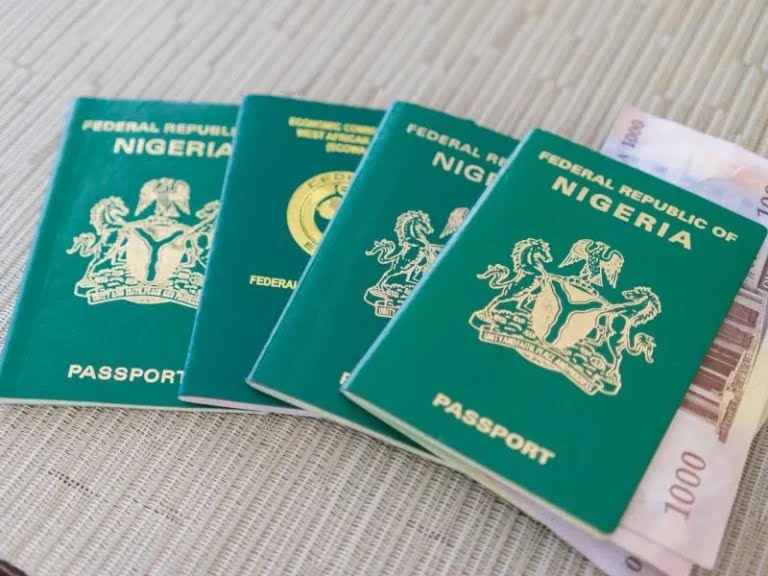
Nigeria remains under a Level 3 advisory, with the State Department urging Americans to reconsider travel because of concerns over crime, terrorism, kidnapping, civil unrest and inconsistent healthcare services.
However, the advisory maintains a Level 4 “Do Not Travel” warning for several Nigerian states due to heightened security concerns.
The affected states include Borno, Jigawa, Kogi, Kwara, Niger, Plateau, Taraba, Yobe and northern Adamawa in the North, as well as Abia, Anambra, Bayelsa, Delta, Enugu, Imo and Rivers State, excluding Port Harcourt, in the South-South and South-East.
Responding to the advisory, the Federal Government described the US decision as a routine precaution based on Washington’s internal travel assessment procedures rather than an indication of a nationwide security collapse.
Minister of Information and National Orientation, Mohammed Idris, said the advisory “is a routine precaution guided by internal protocols and does not reflect the overall security situation in Nigeria.”
He added that although the country continues to face “isolated security challenges,” there has been no breakdown of law and order, insisting that Nigeria remains stable.