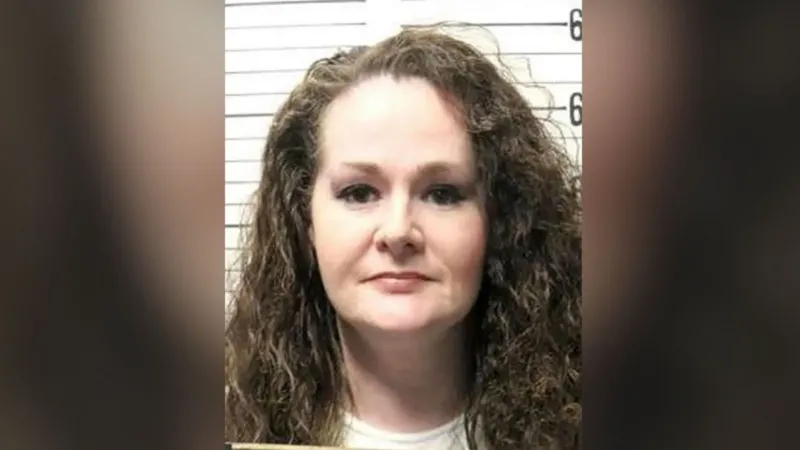
United States death row inmate, Christa Pike, is unconscious and on a ventilator after authorities failed to execute her by lethal injection in Tennessee, according to court filings by her lawyers.
Pike, 50, was administered two lethal doses of pentobarbital on Wednesday but remained alive and was subsequently taken by ambulance to a hospital in the Nashville area, where she was being treated in critical condition.
Her lawyers are seeking to have her death sentence commuted following the failed execution.
They also filed an emergency motion on Friday seeking the preservation of “any and all evidence” connected to the execution attempt.
According to the filing, hospital staff are working to stabilise Pike and remove the pentobarbital from her system.
Her lawyers said prison officials made at least seven attempts to establish intravenous lines during the procedure, with Pike at one point suggesting where they could try.
“One needle was bent in a 90-degree angle when it was removed,” the filing stated.
The lawyers also said that while Pike received the two doses, “she could be heard crying, whimpering, and breathing loudly throughout the procedure”.
Tennessee Governor, Bill Lee, has ordered an independent review of the failed execution and suspended executions in the state for the remainder of the year.
The Tennessee Department of Correction, however, defended the procedure, saying, “the protocol does not allow for additional procedures beyond what was carried out”.
Pike’s attorneys had previously warned that her medical condition, including thrombocytosis, a blood-clotting disorder, and her small veins could increase the risk of pain and suffering during a lethal injection.
In their latest filing, they alleged that “at no point did any member of the execution team realise that the IV lines were not correctly placed or that the veins had blown and that the pentobarbital was, in whole or in part, entering Ms Pike’s body”.
Dr Joel Zivot, an anaesthesiologist advising Pike’s defence team, said two doses of pentobarbital would have been enough to kill her if the drug had entered her bloodstream normally.
He said the only possible explanation for her survival “is that the pentobarbital blood level was never high enough to cause death”, adding that blisters observed on her arm after the execution attempt suggested that a vein may have ruptured.
Zivot said the drug may instead have spread into tissue beneath Pike’s skin.
He also said Pike’s thrombocytosis could have contributed by causing blood clots around the injection site, potentially preventing the drug from properly entering her veins.
Pike was sentenced to death in 1996 for the murder of 19-year-old Colleen Slemmer in Knoxville, Tennessee, the previous year.
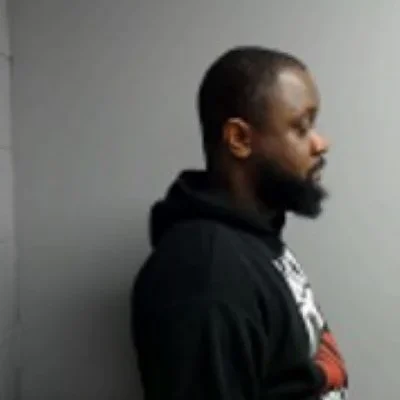
She was 18 when she and her then-boyfriend, Tadaryl Shipp, beat, tortured and killed Slemmer.
Pike had accused Slemmer of insulting her and attempting to take her boyfriend.
The US Supreme Court rejected two last-minute attempts by Pike’s lawyers to halt the execution, while Tennessee Governor Bill Lee also denied her clemency request.
Shipp, who was 17 when Slemmer was killed, was not eligible for the death penalty under state law. He was sentenced to life imprisonment with the possibility of parole and remains in prison.
Authorities have not said whether they will make another attempt to execute Pike or explained what went wrong during Wednesday’s procedure.