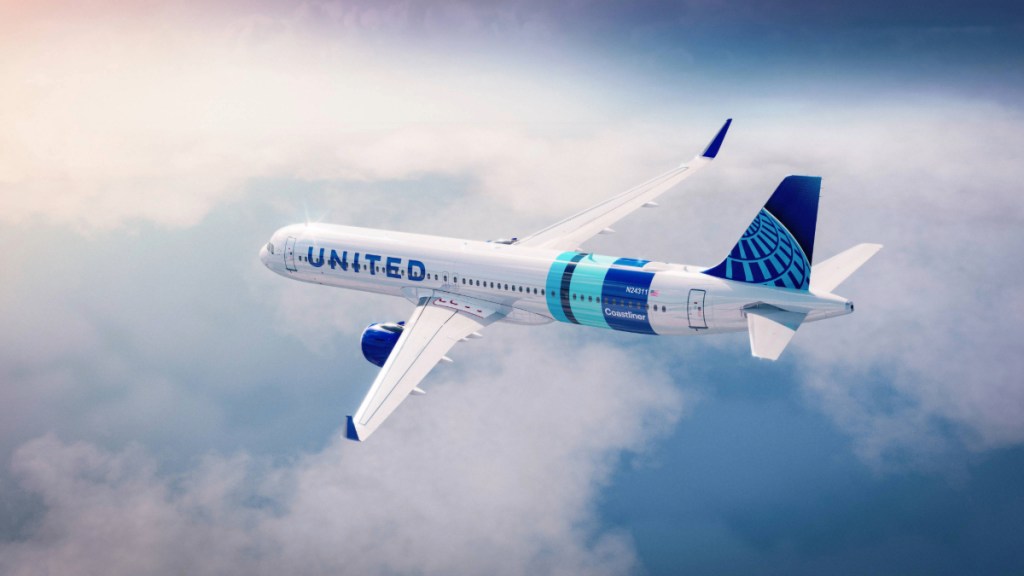
Major United States airlines are facing mounting financial pressure as soaring jet fuel prices continue to erode profits despite higher ticket prices and strong demand for air travel.
Third-quarter results from leading carriers showed that increased fares have helped airlines generate record revenues.
However, rising fuel expenses have limited their ability to improve profit margins, forcing companies to reassess their earnings expectations and expansion plans for the remainder of 2026.
Delta Air Lines, Southwest Airlines and American Airlines have all lowered their full-year earnings forecasts, citing fuel costs that have risen faster than ticket prices.
United Airlines, which does not provide a full-year earnings forecast, also projected fourth-quarter profits below Wall Street expectations.
The airline recovered only 72% of its additional fuel expenses through higher revenue in the third quarter.
The financial strain comes as the war in Iran enters its eighth month, creating uncertainty over fuel prices and raising concerns about how much more airlines can charge passengers without weakening travel demand.
Data from the US Labor Department showed that average airfares increased by nearly 23% year-on-year in the seven months through September.
Despite the price increases, airlines are still struggling to pass the full burden of higher operating costs on to customers.
“The fourth quarter is shaping up to be an operationally tough quarter with jet fuel prices expected to remain elevated, diminished capacity plans, but durable revenue trends from consumers,” Third Bridge analyst Liam Dorsey said.
“The big question that remains is how long consumer resiliency lasts.”
Fuel Expenses Put Pressure on Earnings
Airlines are preparing for another challenging quarter, with carriers expecting jet fuel prices to remain elevated.
Industry estimates indicate that airlines could pay between $4.25 and $4.85 per gallon in the fourth quarter, compared with prices below $4 per gallon in the previous quarter.
Although all four major US carriers reported record third-quarter revenues, higher fuel bills have prevented the additional income from translating into stronger profitability.
Alaska Air also projected a larger-than-expected loss for the fourth quarter, highlighting the difficulties facing airlines beyond the country’s largest operators.
JetBlue Airways and Frontier Airlines are expected to release their third-quarter results the following week.
The latest developments have also weighed on airline stocks.
The S&P Passenger Airlines index has fallen nearly 3% this year, underperforming the S&P 500, which has gained more than 13%.
Airlines Consider Further Fare Increases
Earlier in the year, airlines anticipated recovering most of their higher fuel expenses through increased ticket prices, additional passenger charges and income from loyalty programmes.
However, the rapid rise in fuel costs has weakened those expectations, leaving carriers with limited options to protect their earnings.
Airlines are now considering tighter capacity management, including slowing flight growth, to maintain higher fares and reduce pressure on profit margins.
Delta Chief Executive Officer Ed Bastian said earlier in October that airlines might need to further restrict capacity growth next year to sustain ticket prices and protect profitability.
American Airlines has similarly indicated that its network expansion will slow in 2027 compared with this year.
In Europe, Ryanair Chief Executive Michael O’Leary warned that airfares could experience their “biggest increase in history” next year.
United Airlines CEO Scott Kirby also warned on Wednesday that the industry could experience further structural changes by the end of 2027.
Industry Consolidation Fears Grow
The pressure from rising fuel costs has intensified concerns about the financial stability of weaker airlines and the possibility of further consolidation across the aviation industry.
Spirit Airlines ceased operations in May after efforts to secure a rescue deal failed, becoming the industry’s first casualty linked to the war, according to the report.
JetBlue has also faced financial difficulties amid elevated fuel expenses.
Analysts at JPMorgan believe the industry could face significant changes if fuel prices remain around $5 per gallon.
“United’s amped-up rhetoric on accelerating structural change at the industry level conforms with our prevailing thinking that something has to give, should fuel prices remain in the $5/gallon range,” J.P.Morgan analysts wrote in a note.
“Whether that manifests in regime change at American, further industry consolidation, a JetBlue restructuring (as the market is increasingly implying), or something we haven’t yet considered, we remain of the view that Delta and United eventually emerge as the presumptive victors.”
With fuel expenses continuing to rise faster than ticket prices, US airlines face growing pressure to balance profitability with affordable fares while maintaining passenger demand.
The industry’s performance in the final quarter of 2026 will largely depend on whether fuel prices stabilise, consumers continue to absorb higher ticket costs and airlines successfully adjust their capacity to protect earnings.