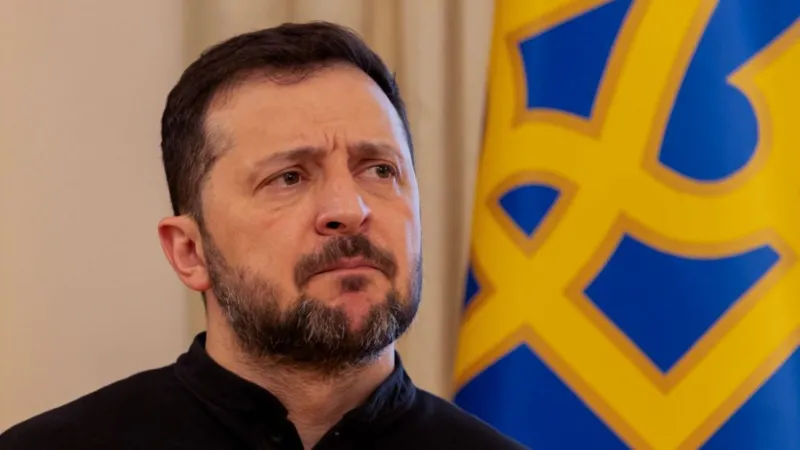
Ukrainian President Volodymyr Zelensky has warned airlines operating between Europe and Asia against using Russian airspace, as Ukraine intensifies drone attacks inside Russia and Moscow continues its strikes on Ukraine.
Zelensky said Russian airspace was becoming increasingly dangerous and warned airlines, insurers and operators using major Russian airports that the situation could worsen as Ukraine expands its drone operations.
“We want to warn every airline that uses Russian airspace, every insurer, everyone who still uses key Russian airports: the Russian sky is becoming completely dangerous,” Zelensky said.
Russian President Vladimir Putin rejected the warning, accusing Zelensky of issuing what amounted to a “declaration of state terrorism”.
Putin said Russia would continue its military operations in Ukraine, which have intensified in recent weeks.
Although most Western airlines have avoided Russian airspace since Russia launched its full-scale invasion of Ukraine in February 2022, airlines from countries including China and Turkey continue to use the routes.
In a video address on Tuesday night, Zelensky said Ukraine was not seeking to endanger civilian aviation.
“Ukraine does not threaten civilian aviation as such – not a single civilian aircraft” and did not want innocent people to lose their lives, he said.
“There will simply be drones in Russia’s skies on a scale that has to be taken into account,” Zelensky added.
He specifically warned airlines that continue to fly to Russian airports, particularly those serving Moscow and St Petersburg.
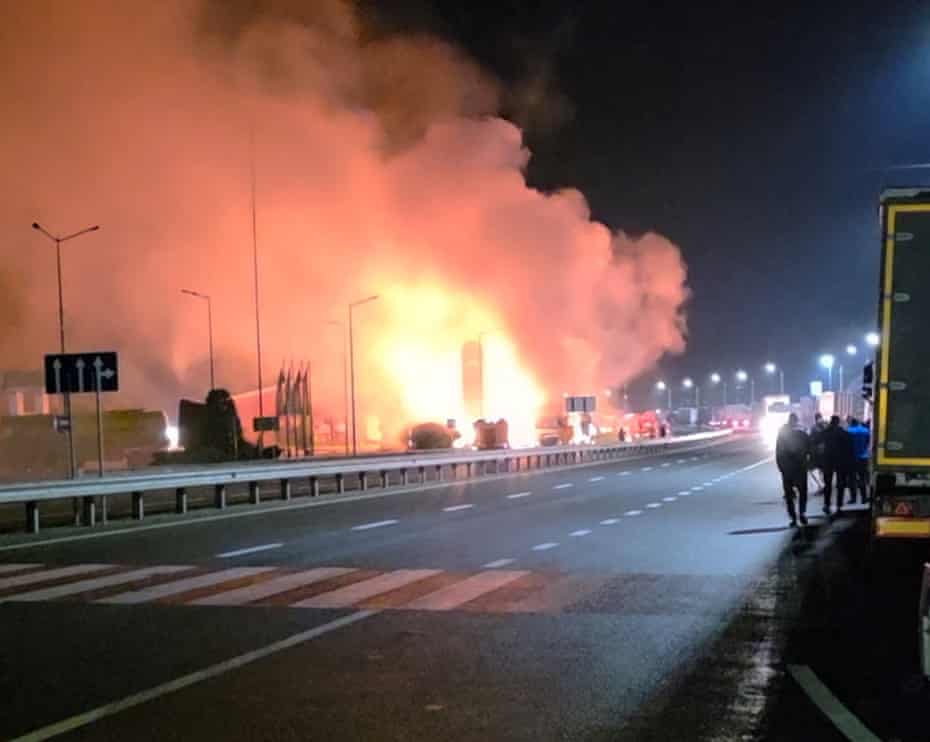
Ukraine has increasingly carried out drone strikes against targets deep inside Russian territory, including energy infrastructure and facilities linked to major online retailers Wildberries and Ozon.
The repeated attacks have also disrupted operations at some of Russia’s busiest airports.
Moscow’s four major airports have previously been forced to suspend arrivals and departures during periods of heightened drone activity, with several cancellations reported on Wednesday.
Ukraine does not necessarily need to strike an airport directly to affect flights.
Under Russia’s “Kovyor” or carpet air-defence procedure, aviation operations are suspended when a drone is detected within the affected area.
Aviation risk advisory company Osprey Flight Solutions warned that while most Ukrainian drone and missile attacks were expected to take place within 300km (186 miles) of the border, deeper strikes inside Russia were likely to continue throughout the year.
“There is also a realistic possibility that the frequency of Ukrainian strikes will continue to increase in the short term deep inside Russian territory,” the firm said, adding, “It is assessed that miscalculation and/or misidentification is likely in areas related to the Ukraine conflict.”
Speaking at the Shanghai Cooperation Organisation summit in Kyrgyzstan, Putin accused Ukraine of seeking negotiations while carrying out attacks.
“They are asking us to resume negotiations… but you don’t negotiate with terrorists,” he said.
Putin’s remarks came as Russian strikes continued across Ukraine.
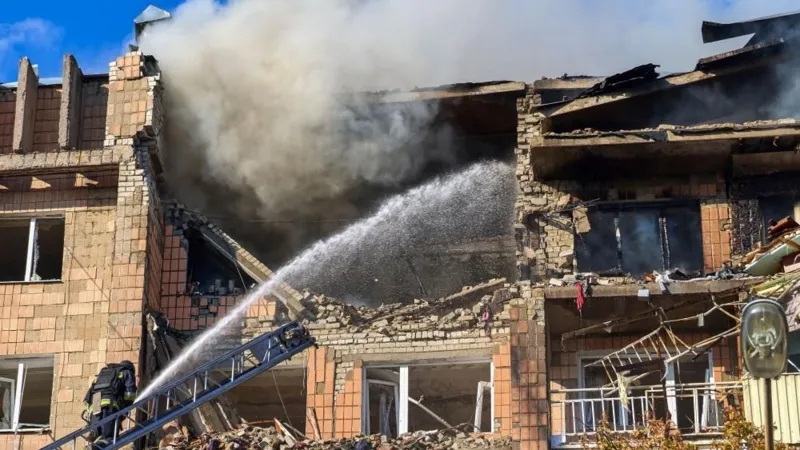
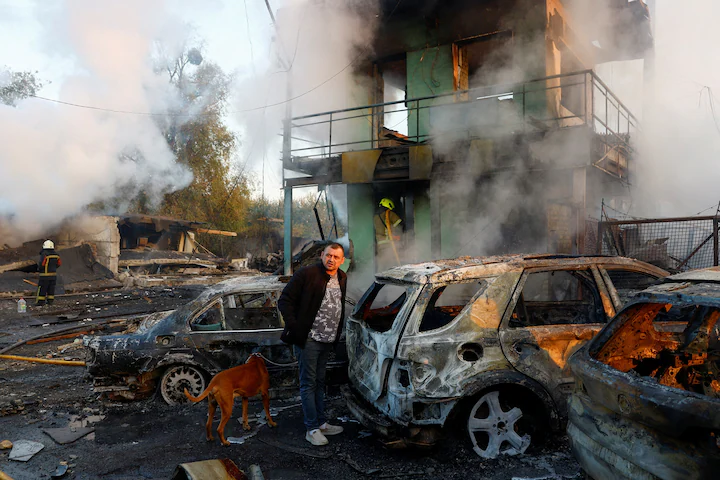
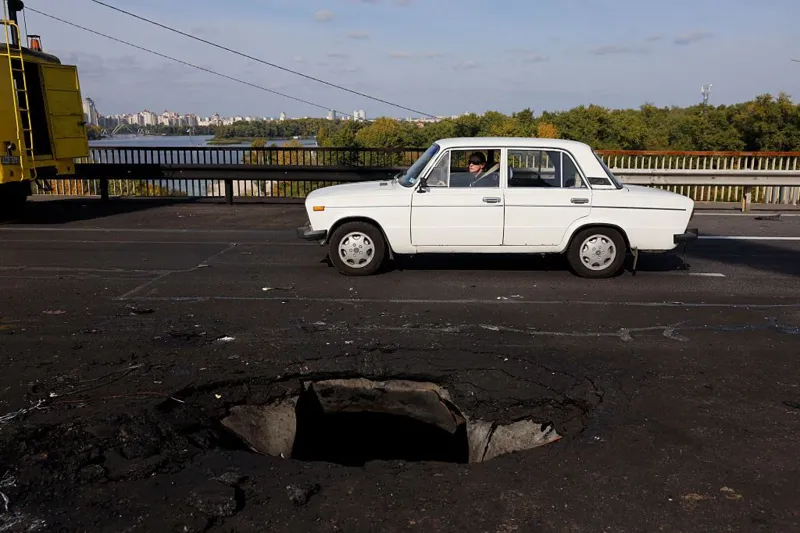
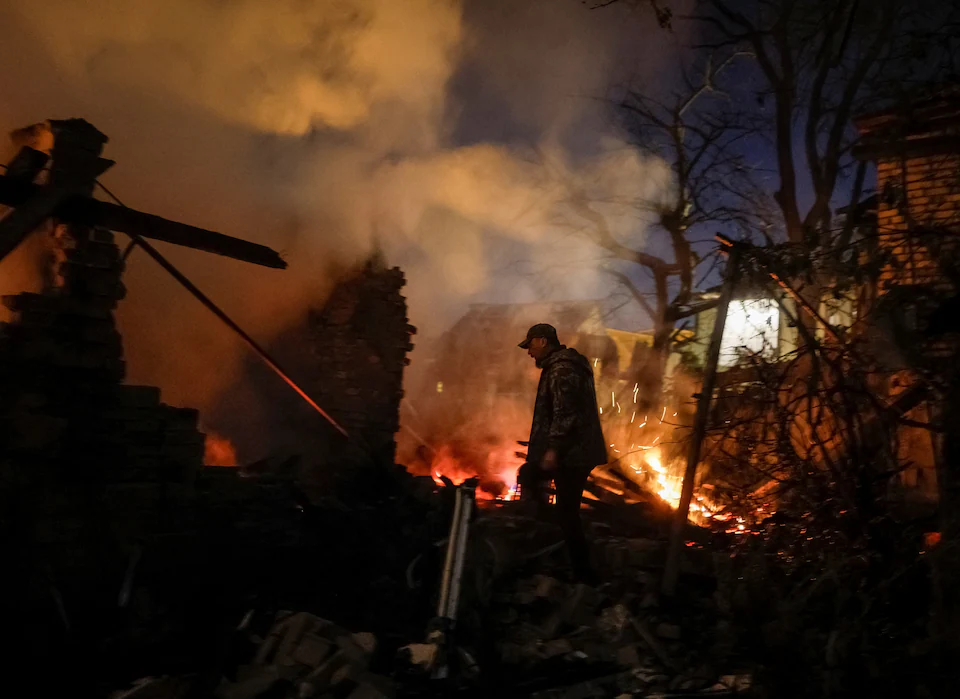
Heavy attacks on Tuesday killed 12 people, while further strikes were reported in Odesa, Sumy and Kyiv on Wednesday. Russia’s military has also said it is preparing “massive” attacks against Ukrainian power stations.
Kyiv and the surrounding region have faced attacks for seven consecutive days.
Zelensky has previously said Ukraine’s military had started “bringing the war back to Russia” in response to Russia’s daily attacks on Ukrainian territory.
Putin has acknowledged that Ukrainian strikes have damaged infrastructure inside Russia but claimed that only 10% of the country’s oil refineries remained in need of repairs.
Airlines from China, Turkey and Gulf countries are among those still using Russian airspace because the routes can reduce flight times and fuel costs between Europe and Asia.
Most other international carriers have avoided the region since Russia’s full-scale invasion of Ukraine began in 2022.
Ukraine has kept its own airspace closed to civilian aviation throughout the war.
The dangers of operating civilian flights near an active conflict zone were highlighted by the 2014 downing of Malaysia Airlines Flight MH17 over eastern Ukraine. All 298 people aboard were killed.
The UN’s aviation agency ruled last year that Russia was responsible for the destruction of MH17, although the Kremlin has consistently denied responsibility.
In 2024, Putin apologised to Azerbaijan’s president following the downing of an Azerbaijani commercial aircraft in Russian airspace that killed 38 people.
He said the “tragic incident” occurred while Russian air-defence systems were responding to Ukrainian drones.