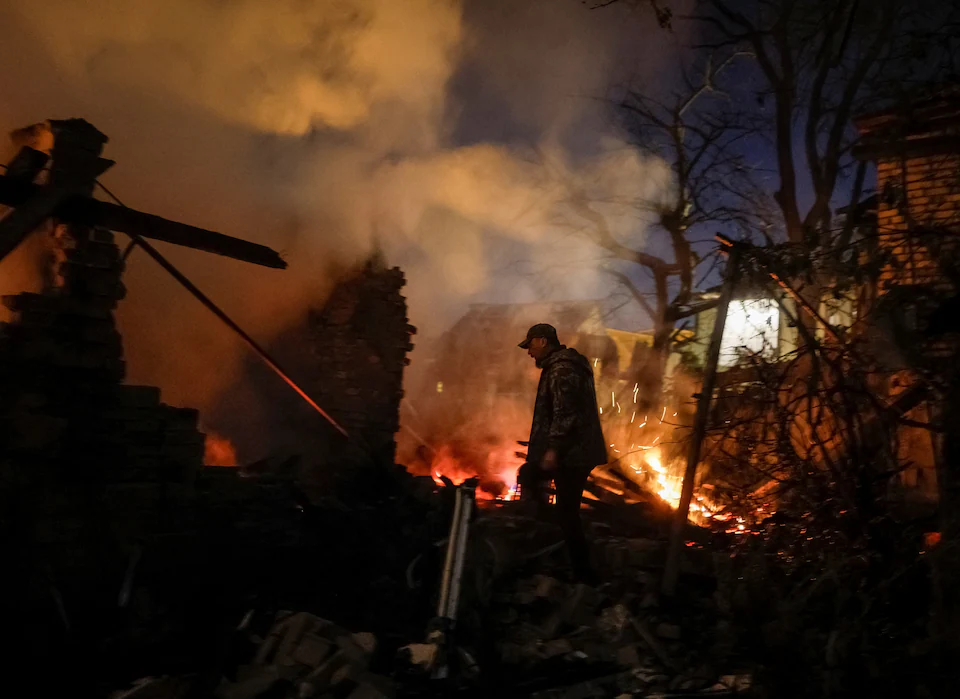
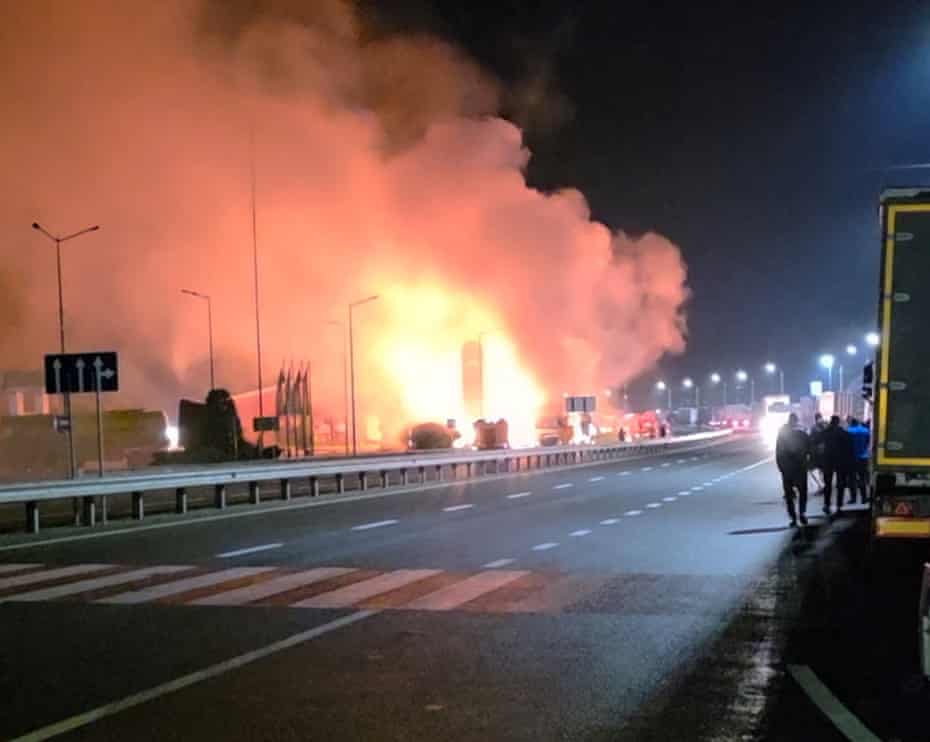
Ukraine’s domestic security service, the SBU, announced Monday that it carried out an attack on a Russian submarine at the Black Sea port of Novorossiysk, inflicting critical damage and rendering the vessel inoperable.
According to the SBU, the operation employed underwater “Sub Sea Baby” drones, marking the first time such a tactic has been used. Video shared by the agency captured a massive explosion at the port.
“As a result of the explosion, the submarine suffered critical damage and was effectively put out of action,” the SBU said. CNN has not independently verified the claim.
Russia acknowledged the Ukrainian operation but insisted it was unsuccessful.
“The enemy’s attempt to carry out sabotage using an unmanned underwater vehicle failed to achieve its goals,” Alexei Rulev, head of the Black Sea Fleet press service, told state media.
Rulev also denied Ukrainian reports that a submarine had been destroyed at the Novorossiysk naval base, according to Russian outlets.
The targeted vessel is a Kilo-class submarine, which can launch up to four Kalibr cruise missiles at a time, the SBU noted. These missiles have been repeatedly used by Russia during its war in Ukraine.
The agency described the submarine as a “Black Hole,” highlighting its hull’s ability to absorb sound and evade sonar detection.
Valued at roughly $400 million, the SBU said that international sanctions have now pushed the estimated cost of building a similar submarine to $500 million.
The SBU further stated that the submarine had been confined to Novorossiysk due to previous Ukrainian sea drone operations, which had forced Russia to reposition several ships and submarines from Sevastopol Bay in occupied Crimea.
‘Ceasefire now seems possible’
The Monday strike coincided with ongoing diplomatic efforts to end the conflict. The announcement came shortly after the conclusion of a second day of talks between US and Ukrainian officials in Berlin.
Speaking at a press conference alongside German Chancellor Friedrich Merz, Ukrainian President Volodymyr Zelensky emphasized the importance of security guarantees before making any decisions regarding front-line arrangements in a potential peace deal.
“Kyiv must be ‘absolutely sure’ about how its allies will guarantee its security,” Zelensky said. He added that monitoring the ceasefire is a key component: “That is really the basis for security guarantees, because the question is: Who will carry out the monitoring? What sanctions will be applied if the monitoring missions are disrupted?”
Although Zelensky noted these issues remain unresolved, Merz described US assurances as “significant, ” “What the US has offered here in terms of material and legal guarantees is really significant,” he said, without offering specifics.
Later in the evening, after meeting European leaders, Merz expressed optimism about the peace prospects, posting on X, “For the first time since the war began, a ceasefire now seems possible.”
European, NATO, and US officials convened with Zelensky Monday evening to discuss Ukraine’s security following the day’s US-Ukrainian talks. The European leaders pledged support for a European-led multinational force, backed by the US, to provide “robust security guarantees” as part of any agreement to end the war.
In a joint statement, the leaders said the force would “assist in the regeneration of Ukraine’s forces, in securing Ukraine’s skies, and in supporting safer seas, including through operating inside Ukraine.”
They also announced plans for “a US-led ceasefire monitoring and verification mechanism” with international participation to give early warning of potential Russian attacks.
The European nations committed to providing “sustained and significant” support to strengthen Ukraine’s military and called for “a legally binding commitment” to restore peace in case of future aggression, including through armed force, intelligence, and logistical support.
Leaders from Britain, France, Germany, Denmark, Finland, Italy, the Netherlands, Norway, Poland, Sweden, and the EU emphasized the need for security guarantees and affirmed they would back any decisions Zelensky makes regarding Ukraine.
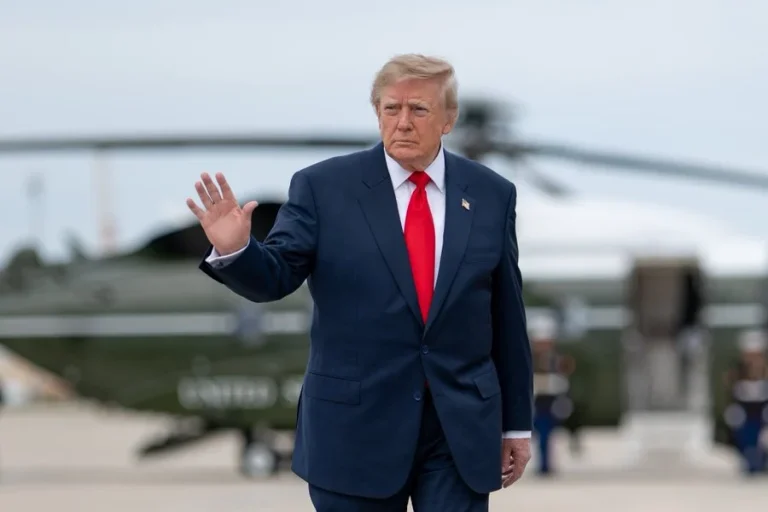
On X, Zelensky reflected on a meeting with US President Donald Trump’s special envoy Steve Witkoff and son-in-law Jared Kushner. He suggested that previous peace proposals included “some things” he considered “destructive,” but noted, “It is important that they are no longer present in the new versions of the documents. This matters, because dignity matters.” Zelensky stressed that Ukraine’s position on its territories differs from Russia’s and that the issue must be “discussed openly.”
“I believe that the American side, acting as a mediator, will propose various steps to try to find at least some form of consensus,” Zelensky concluded.