Ukraine’s President, Volodymyr Zelensky, has raised concerns that his country could soon face a shortage of key missiles as global tensions shift focus to the escalating conflict in the Middle East.
In an exclusive interview with the BBC, Zelensky suggested that Russia’s leader, Vladimir Putin, stands to benefit from prolonged instability involving the United States, Israel and Iran, arguing that such a scenario would divert critical Western support away from Ukraine.
He said Putin was keen on a drawn-out conflict in the region, describing it as a strategy that could weaken Kyiv by stretching US resources.
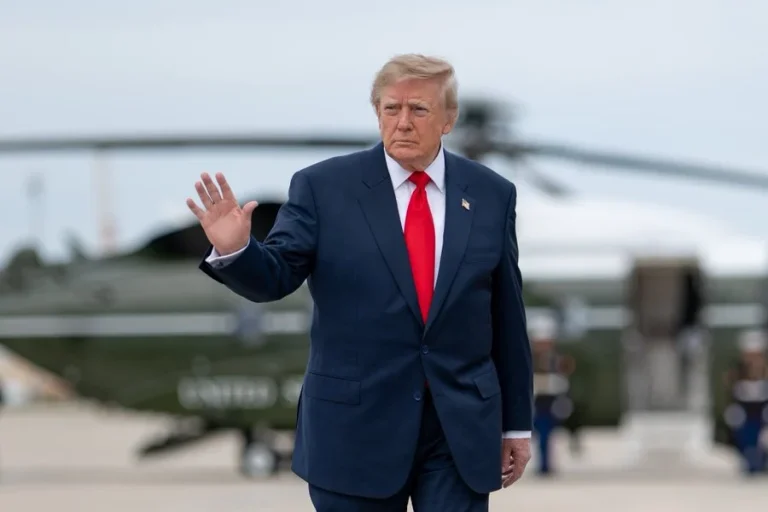
Zelensky also commented on the stance of US President Donald Trump, claiming he was not aligned with either side in the Russia-Ukraine war and appeared reluctant to provoke Moscow.
According to him, Trump’s approach leans more towards negotiation, with a focus on maintaining dialogue with the Kremlin rather than confrontation.
The Ukrainian leader called for closer coordination between Trump and United Kingdom Prime Minister, Keir Starmer, urging both leaders to meet and align their positions despite recent tensions between them.
The Middle East crisis, now in its third week, has expanded across the Gulf, with Iran launching retaliatory strikes on neighbouring countries following joint US and Israeli attacks.
Zelensky expressed deep concern over the ripple effects of the conflict on Ukraine, saying peace talks were being delayed.
“I have a very bad feeling,” he said, adding that negotiations towards peace are being “constantly postponed. There is one reason – war in Iran”.
He warned that the situation could lead to a serious shortage of critical defence systems, particularly US-made Patriot missiles.
“For Putin, a long war in Iran is a plus,” Zelensky said. “In addition to energy prices, it means the depletion of US reserves, and the depletion of air defence manufacturers. So we [Ukraine] have a depletion of resources.”
He further stressed that Ukraine would “definitely” face a deficit of such weapons, describing it as a looming challenge tied to how quickly stockpiles in the Middle East are used up.
Zelensky highlighted the scale of missile usage, notinh, “America produces 60-65 missiles per month. Imagine, 65 missiles per month is is about 700-800 missiles per year, produced each year. And on the first day in the Middle East war, 803 missiles were used.”
On Trump’s position regarding the Ukraine war, Zelensky said the US president was more interested in brokering peace than taking sides.
He added that Washington’s strategy appeared focused on maintaining engagement with Putin, suggesting it was aimed at avoiding actions that might “irritate” the Russian leader.
The Ukrainian president also cautioned against divisions among Western allies, particularly as tensions grow between Washington and London.
Trump recently criticised Starmer, saying he was “no Winston Churchill” and expressing disappointment in the UK leader, despite describing him as a “nice man”.
In response, Downing Street reaffirmed the strength of UK-US ties, insisting the relationship remains “enduring” while maintaining that Britain would not be drawn into a wider conflict.
Zelensky met Starmer in London as part of a broader diplomatic tour across Europe, following recent visits to Paris and ahead of a scheduled trip to Madrid.
Speaking after their meeting, he emphasised the need for unity among allies and reiterated the importance of keeping global attention on Ukraine.
“I would really like President Trump to meet with Starmer… so that they have a common position,” he said.
During his visit, Zelensky also addressed UK lawmakers at Westminster, where senior political and defence figures were in attendance.
“The regimes in Russia and Iran are brothers in hatred and that is why they are brothers in weapons,” he said. “And we want regimes built on hatred, to never, never win in anything. And we want no such regime to threaten Europe or our partners.”