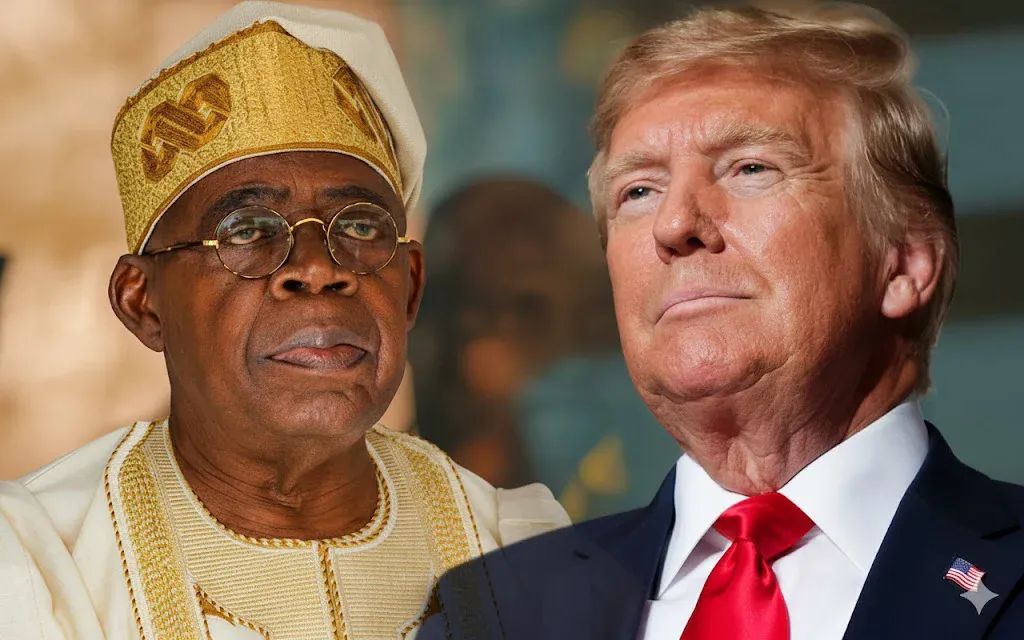
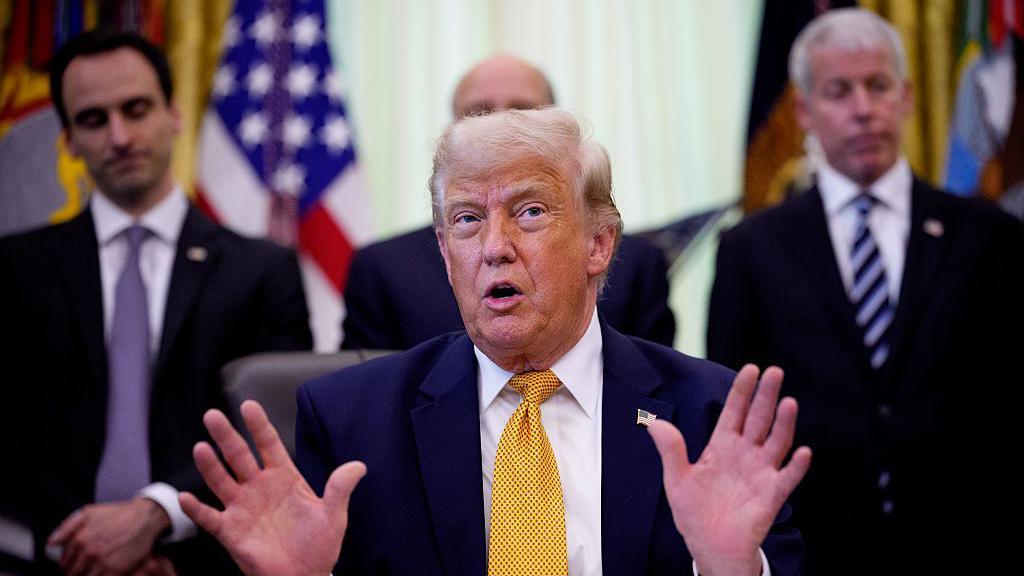
The United Kingdom government is set to review the BBC’s Royal Charter following a controversy involving an edited clip of U.S. President Donald Trump’s speech, which triggered the resignation of two senior executives at the broadcaster.
BBC Director-General Tim Davie and BBC News Chief Executive Deborah Turness stepped down on Sunday after widespread criticism of an edited segment in a Panorama documentary.
The edit was said to have implied that Trump directly encouraged the January 6, 2021 attack on the U.S. Capitol.
BBC Chair Samir Shah described the development as a setback for the organisation, adding that he would appear before the House of Commons Culture, Media and Sport Committee to address concerns.
“It is a sad day for the BBC,” Shah said. “But transparency and accountability must guide our actions as we move forward.”
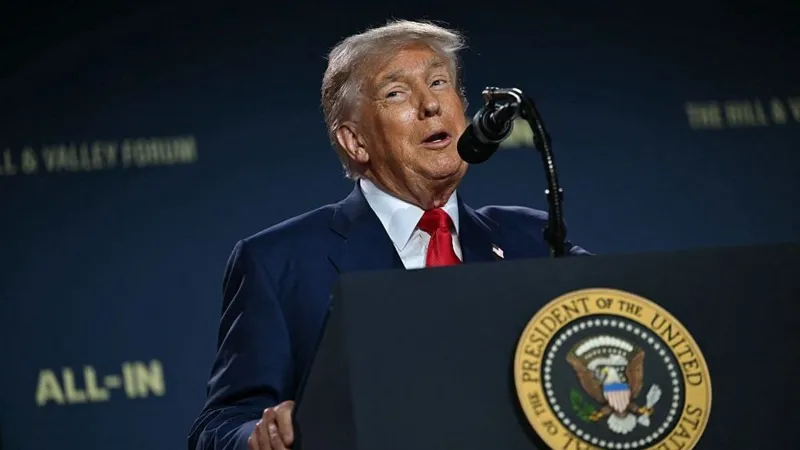
Trump, in a reaction posted on social media, praised the resignations and accused the BBC of long-standing bias.
“The BBC has been corrupt and dishonest for years,” he claimed.
Deborah Turness, however, defended the integrity of the newsroom in her resignation note.
“The suggestion that BBC News is institutionally biased is wrong,” she insisted.
The controversy comes at a crucial moment, as the UK government prepares to reassess the BBC’s Royal Charter — the legal document that defines how the broadcaster functions and secures its funding. The current charter expires in 2027.
Culture Secretary Lisa Nandy said the review would be necessary to ensure that the BBC adapts to changing media realities.
“This review will help the BBC evolve for a new era,” she said. “These allegations are serious and must be addressed thoroughly.”
The fallout has sparked political debate. Some conservative figures welcomed the resignations, claiming they were overdue.
Former Prime Minister Boris Johnson previously suggested refusing to pay his BBC licence fee. Current Conservative leader Kemi Badenoch described the situation as “a catalogue of serious failures.”
However, Liberal Democrats leader Ed Davey condemned what he called external pressure, particularly from the United States.
“The Prime Minister must tell Trump to keep his hands off the BBC,” Davey said. “We cannot allow political intimidation to undermine public-service journalism.”
The BBC has recently faced multiple accusations of editorial misjudgment, including a prior apology over a documentary on the Gaza conflict ruled to have contained “materially misleading” content.