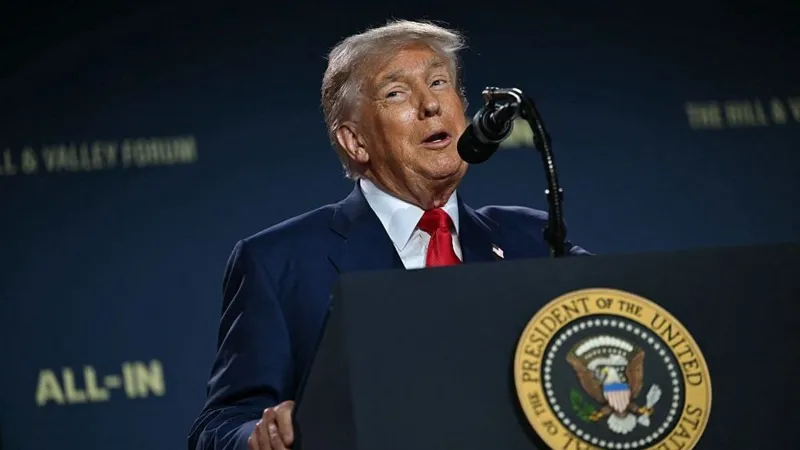
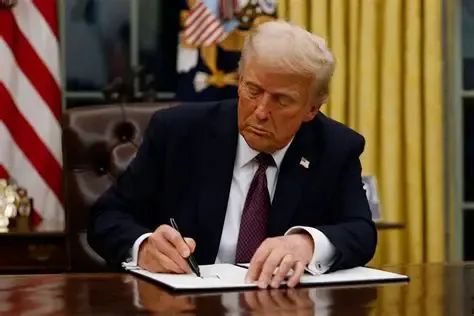
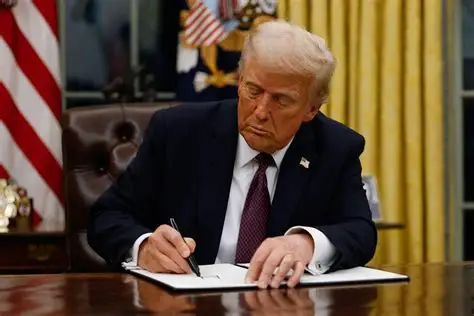
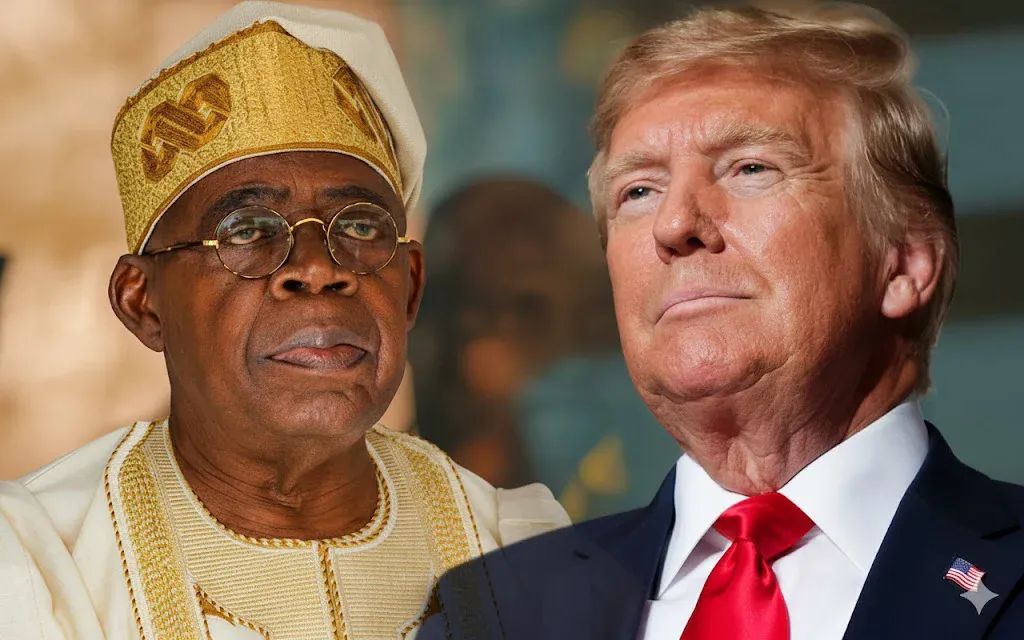
United States President, Donald Trump, has expressed scepticism over a fresh peace proposal submitted by Iran, signalling that Washington may still consider military action depending on Tehran’s next moves.
Trump disclosed that although he would review the proposal, he was not optimistic it would meet U.S. expectations.
“I will soon be reviewing the plan that Iran has just sent to us, but I can’t imagine that it would be acceptable,” he said, adding that Iran had not “paid a big enough price” for its actions over the years.
The proposal, reportedly a 14-point plan, was submitted through Pakistan as part of ongoing efforts to resolve the conflict between both countries, which has lasted for over two months. The talks have remained stalled despite a ceasefire that took effect on April 8.
Sources familiar with the proposal said it includes measures to end hostilities across multiple fronts and establish a new operational framework for the strategic Strait of Hormuz, a critical global oil transit route.
Speaking to reporters in Florida, Trump hinted at the possibility of renewed military confrontation.
“If they misbehave, if they do something bad… it’s a possibility that could happen,” he said.
On the Iranian side, senior military official Mohammad Jafar Asadi warned that tensions could escalate again.
“A renewed conflict between Iran and the United States is likely,” he said, accusing Washington of failing to honour past commitments.
Similarly, Iran’s Deputy Foreign Minister, Kazem Gharibabadi, said the decision now rests with the United States.
“The ball is in the United States’ court to choose the path of diplomacy or confrontation. Iran is prepared for both paths,” he stated.
The diplomatic standoff has also reignited disputes over Iran’s nuclear programme.
Iranian officials have criticised what they describe as double standards by Washington, insisting their nuclear activities remain within international regulations.
Meanwhile, the ongoing conflict continues to disrupt global markets.
Iran’s control of the Strait of Hormuz has significantly reduced the flow of oil and gas, contributing to a sharp increase in global energy prices. In response, the United States has imposed countermeasures targeting Iranian ports.
At the same time, tensions in the Middle East remain high, with continued clashes involving Israel and Iran-backed groups in Lebanon, raising concerns about a broader regional escalation.
Within the United States, lawmakers are also debating whether the administration has complied with legal requirements regarding congressional approval for military engagement, further complicating the situation.
As diplomatic efforts continue, both sides appear to be keeping their options open, leaving the future of the fragile ceasefire uncertain.