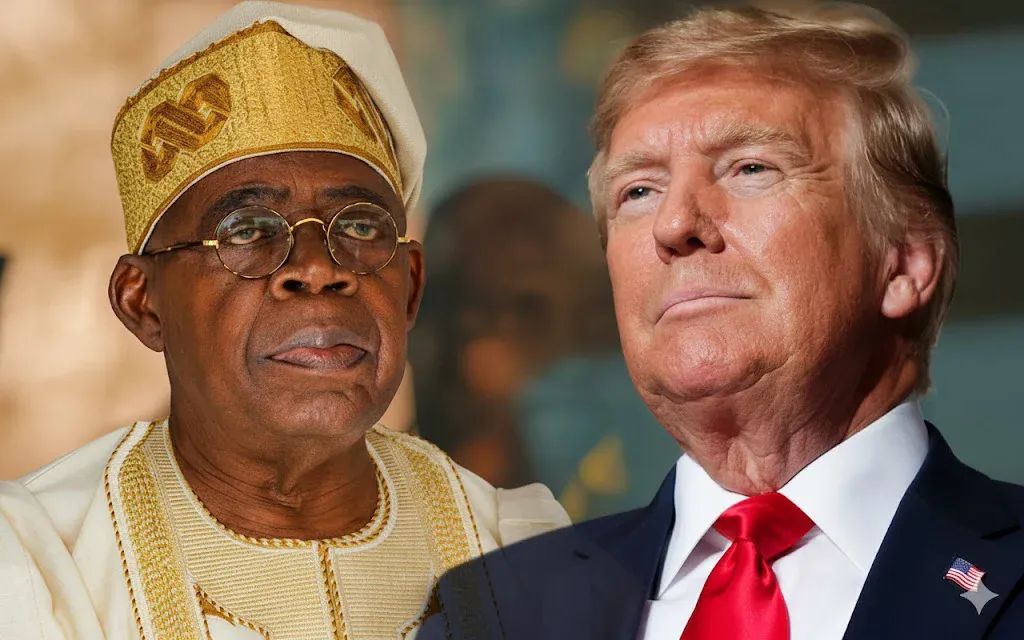
United States President Donald Trump has dismissed Iran’s proposed conditions for ending the ongoing Middle East conflict, describing the terms as “totally unacceptable,” a move that has heightened fears of renewed hostilities and triggered a sharp rise in global oil prices.
Trump’s reaction followed Iran’s response to a recent peace proposal from Washington, in which Tehran reportedly warned against further US military actions and opposed the continued presence of foreign warships in the Strait of Hormuz.
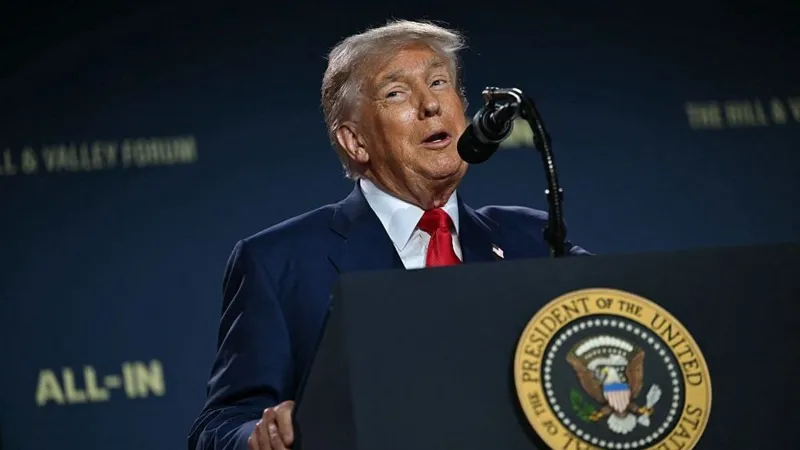
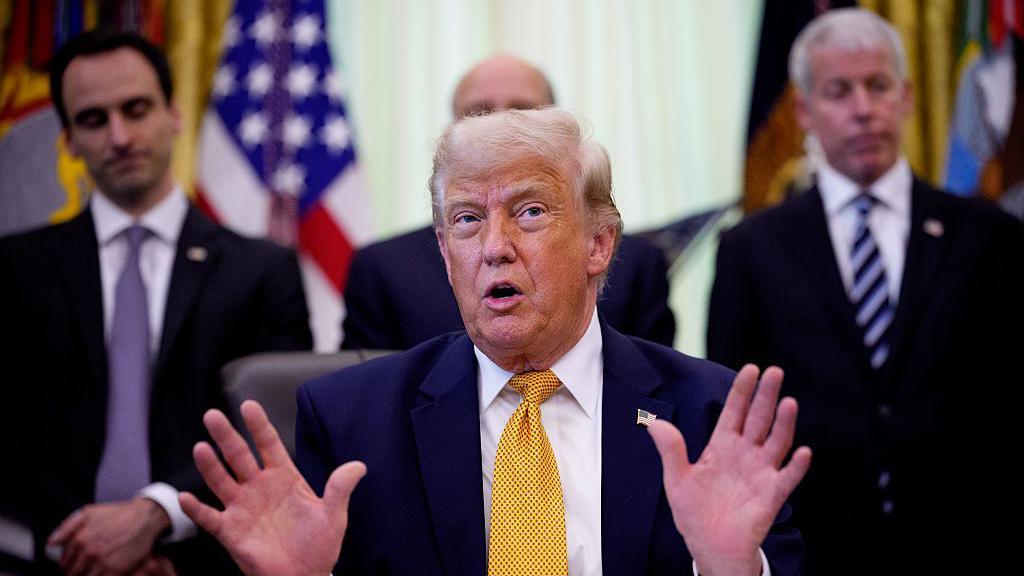
In a post shared on his Truth Social platform, the US President signalled his disapproval of Iran’s counteroffer, although he did not disclose specific details.
“I have just read the response from Iran’s so-called representatives. I don’t like it — totally unacceptable!” Trump wrote.
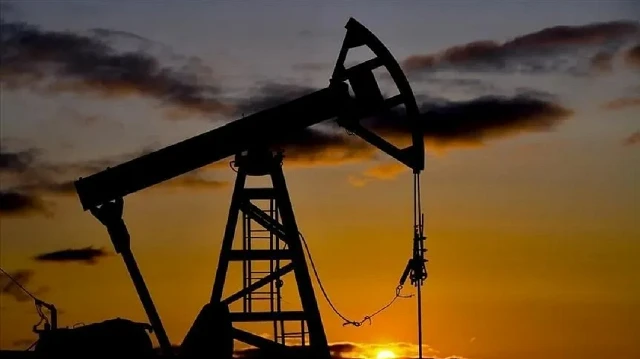
The diplomatic deadlock unsettled energy markets, with global benchmark Brent crude rising by over four per cent to nearly $100 per barrel in early Asian trading on Monday.
Similarly, the US benchmark, West Texas Intermediate crude, climbed above $105 per barrel as investors expressed concern over potential supply disruptions through the Strait of Hormuz, a critical global shipping route for oil exports.
Meanwhile, Israeli Prime Minister Benjamin Netanyahu insisted that military operations against Iran would continue until Tehran’s nuclear programme is dismantled.
“It’s not over because there’s still nuclear material — enriched uranium — that has to be taken out of Iran. There are enrichment sites that still need to be dismantled,” Netanyahu said during an interview on CBS’ 60 Minutes.
Iran, however, maintained a firm stance, insisting it would not submit to pressure despite ongoing diplomatic efforts.
“We will never bow down to the enemy, and if there is talk of dialogue or negotiation, it does not mean surrender or retreat,” Iranian President Masoud Pezeshkian said in a statement posted on X.
According to Iran’s state broadcaster, IRIB, Tehran’s response to the US proposal included demands for an end to hostilities across multiple fronts, particularly in Lebanon, where clashes involving Iran-backed Hezbollah and Israeli forces have intensified.
The report also indicated that Iran sought guarantees for maritime security, although details of the proposal remained limited.
Reports suggest that Tehran may be willing to dilute part of its highly enriched uranium stockpile while transferring the remainder to a third country, provided assurances are given that the material would be returned if negotiations collapse or the US withdraws from any future agreement.
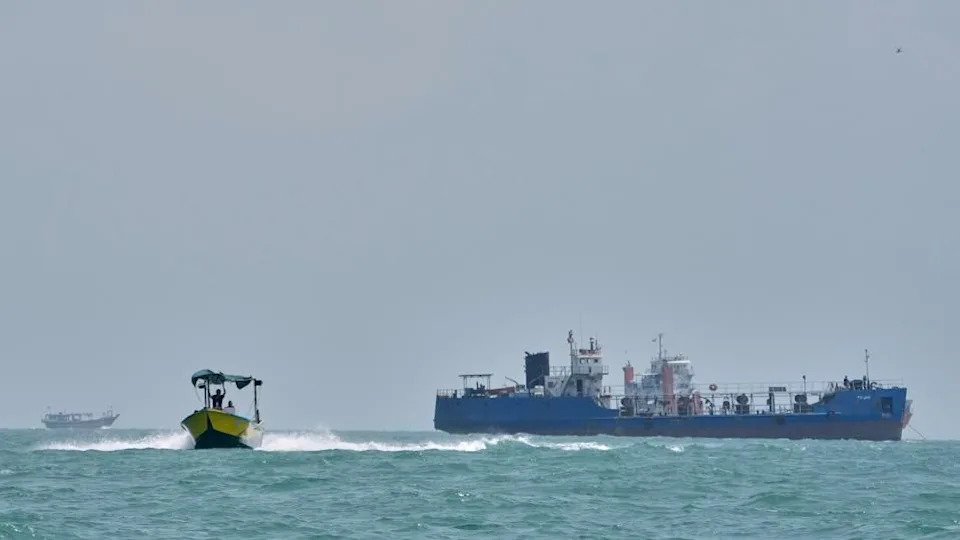
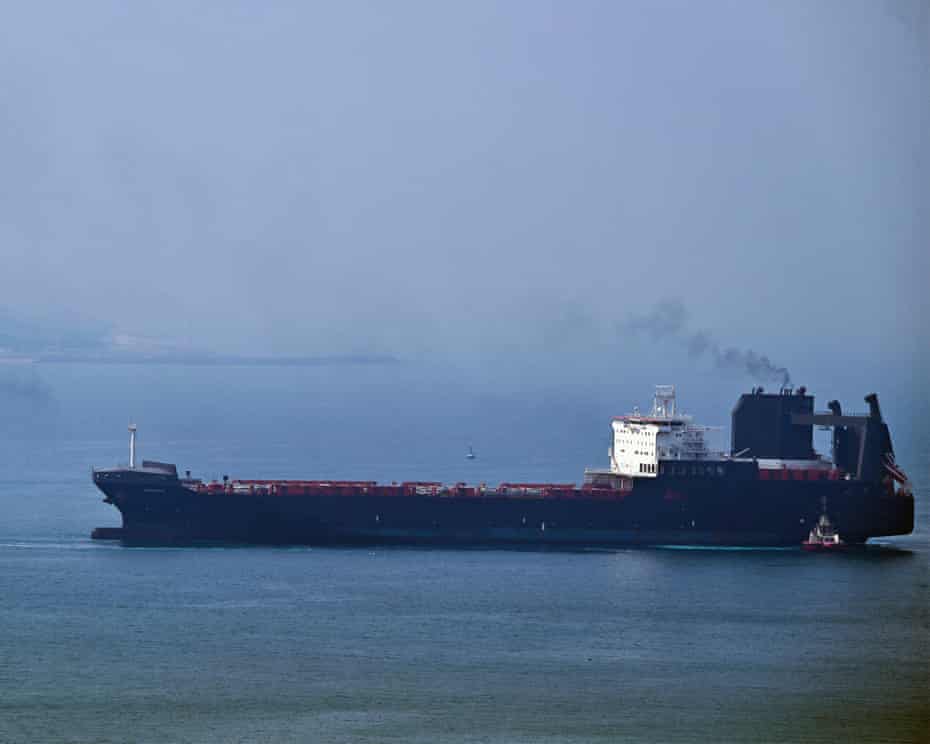
The prolonged uncertainty has renewed global attention on the Strait of Hormuz, through which approximately one-fifth of the world’s oil passes.
US authorities have maintained that any attempt by Iran to restrict access to the strategic waterway would be unacceptable.
Tensions further escalated following reports of drone-related security incidents in the Gulf on Sunday.
The United Arab Emirates said it intercepted a drone launched from Iran, while Kuwait reported sightings of hostile drones within its airspace. Qatar also disclosed that a cargo vessel entering its waters had been struck by a drone.
Warning against further escalation, Iranian lawmaker and spokesperson for the country’s parliamentary national security commission, Ebrahim Rezaei, issued a stern message to Washington.
“Our restraint is over as of today. Any attack on our vessels will trigger a strong and decisive Iranian response against American ships and bases,” Rezaei warned.
Diplomatic efforts are expected to continue in the coming days, with Trump scheduled to meet Chinese President Xi Jinping in Beijing later this week to discuss the crisis, among other global concerns.