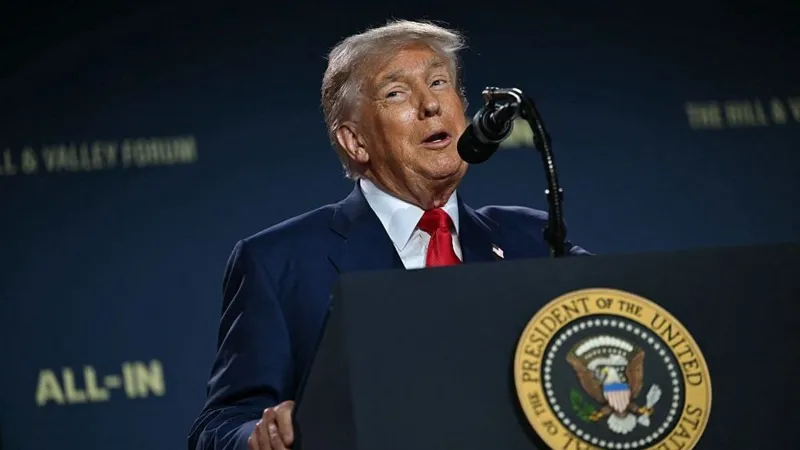
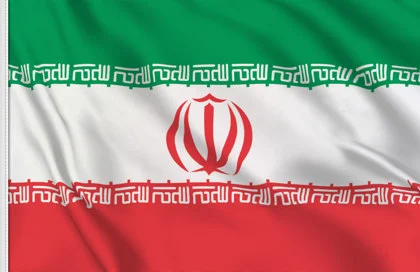
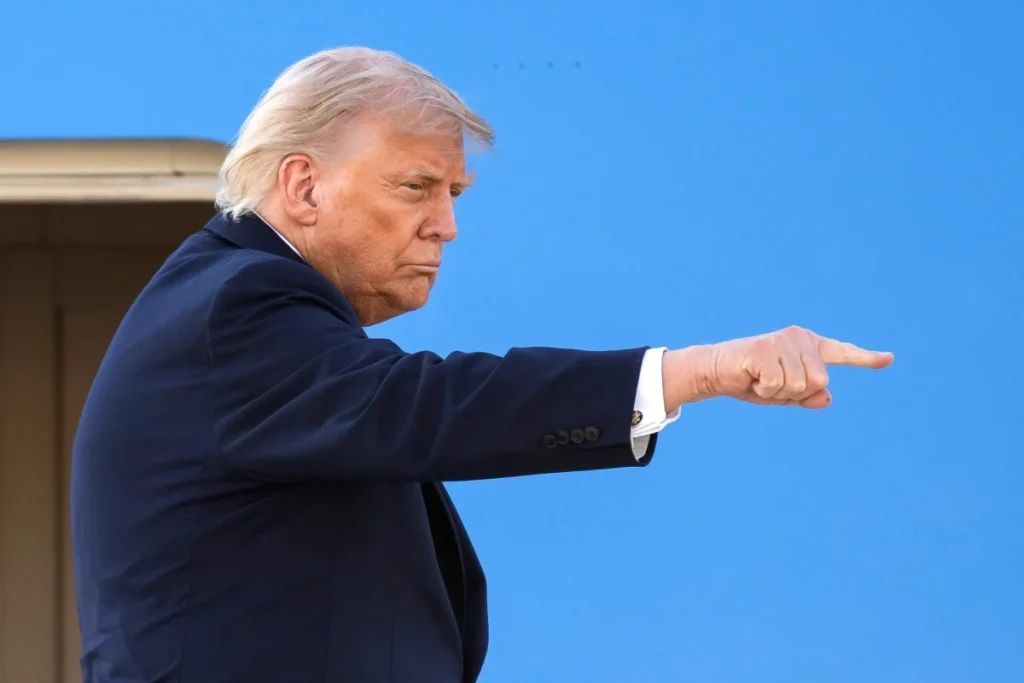
U.S. President Donald Trump has called off a planned visit by American envoys to Pakistan aimed at advancing peace discussions with Iran, raising fresh uncertainty over ongoing diplomatic efforts.
Speaking during a media interview on Saturday, Trump said the decision to halt the trip did not automatically signal a return to active hostilities involving the United States and Israel against Iran.
“We have all the leverage. They can reach out to us when they are ready, but we won’t keep sending people on long trips without meaningful progress,” Trump said.
The cancelled trip would have seen U.S. representatives engage Iranian officials in Islamabad in what the White House had earlier described as a critical step toward a possible agreement.
The development came shortly after Iran’s Foreign Minister, Abbas Araghchi, concluded meetings in Pakistan with top officials, including Prime Minister Shehbaz Sharif and military chief Asim Munir. The talks were part of broader mediation efforts to ease tensions.
Araghchi described his visit as productive, stating that Iran had presented proposals for ending the conflict.
“We shared our position on a workable framework to permanently end the war, but it remains to be seen whether the United States is genuinely committed to diplomacy,” he said.
Following his visit to Pakistan, the Iranian minister travelled to Oman for further consultations and is expected to continue diplomatic engagements in Russia.
Efforts to revive dialogue between both sides have faced setbacks, particularly as Iran has maintained its position that it will not enter direct talks while U.S. military measures remain in place.
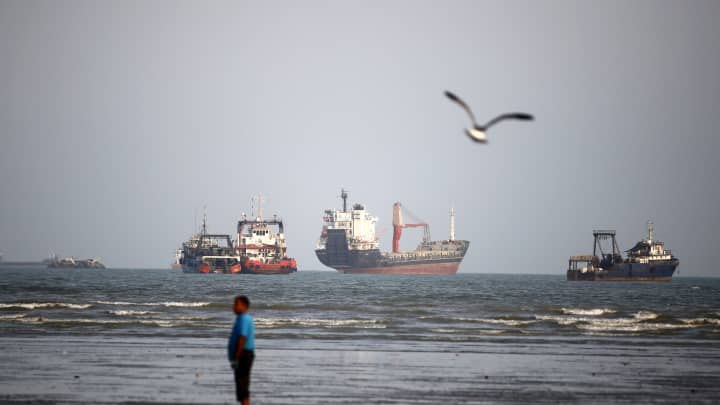
Tensions have also intensified around the Strait of Hormuz, a critical global energy route that remains effectively shut. Iranian authorities have insisted they will sustain their control over the passage.
In a statement, Iran’s Revolutionary Guards said, “Maintaining control of the Strait and its deterrent effect is a central part of our national strategy.”
Meanwhile, European leaders have urged the immediate reopening of the waterway, warning of its global economic importance.
On another front, Trump recently announced an extension of a ceasefire in Lebanon, expressing optimism about broader peace prospects in the region. However, tensions persist, with renewed violence reported despite the truce.