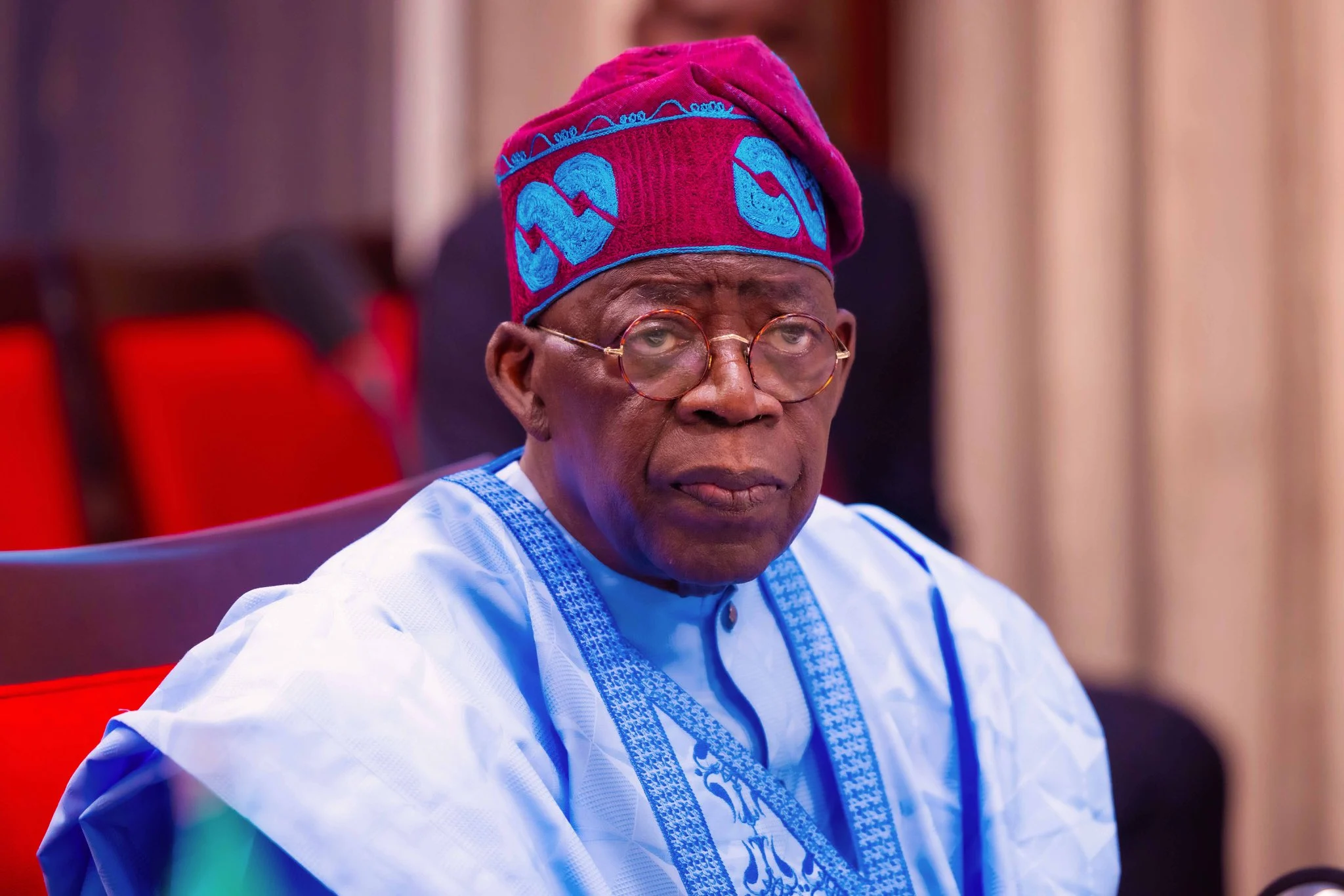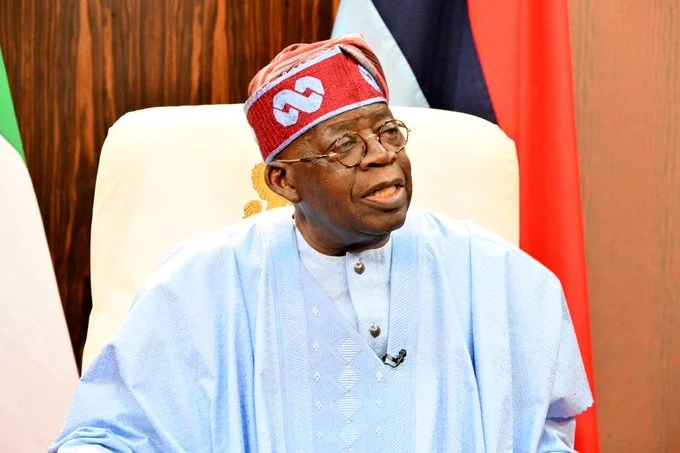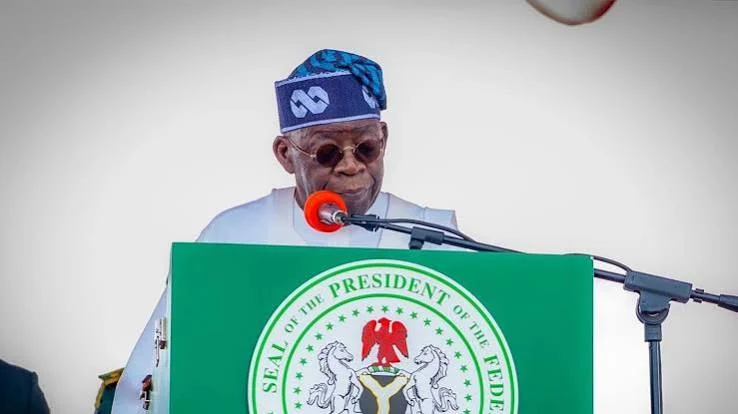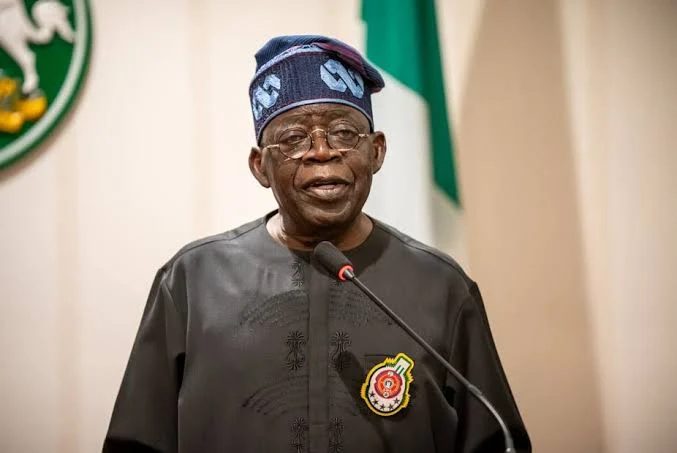
Nigeria’s Permanent Representative to the United Nations, Ambassador Jimoh Ibrahim, has said President Bola Tinubu and members of his family face no restrictions on their movement in the United States while attending the 81st United Nations General Assembly in New York.
Ibrahim, who chairs the UN Committee on Budget and Administration, said the Nigerian Mission to the UN had not received any communication from the US authorities indicating that restrictions had been placed on the President.
In a statement issued on Sunday by the Nigerian Mission in New York, the ambassador referred to Section 11 of the 1947 UN-US Agreement, which provides for unhindered transit of representatives of UN member states and their families to and from the UN headquarters district.
He explained that the provision requires relevant US authorities to avoid imposing movement restrictions on accredited representatives, their families, UN officials and other persons invited to the UN headquarters for official engagements.
The clarification comes amid an ongoing legal dispute in the US concerning requests for government records relating to Tinubu.
The Presidency had earlier dismissed reports suggesting that the President was facing criminal proceedings in the country, explaining that the case before a Washington, DC, court was a civil Freedom of Information Act matter.
The suit was instituted by American transparency activist Aaron Greenspan, who had requested records from several US agencies. Tinubu subsequently joined the proceedings as an intervenor.
Ibrahim also addressed calls for the release of documents reportedly linked to an FBI investigation involving the President, stressing that allegations should not automatically be regarded as proof of criminal conduct.
“An allegation is not a crime,” Ibrahim said, adding that criminal accusations must be established through due process and proved beyond reasonable doubt before a conviction can be reached.
He recalled that a former Nigerian president, whom he said was not Tinubu, had previously faced movement restrictions around the UN headquarters over a drug-related allegation.
According to him, the allegation was ultimately not established.
The envoy also dismissed suggestions that social media campaigns seeking Tinubu’s arrest in the US could result in such an outcome, describing such efforts as futile.
On Tinubu’s expected participation at the UN General Assembly, Ibrahim noted that countries often send senior officials other than their presidents, with vice presidents and foreign ministers accounting for a significant proportion of the current speaking schedule.
He said national priorities could determine whether a president personally attends the gathering or delegates representation.
Ibrahim further explained that US law-enforcement agencies could request information from individuals during investigations and obtain personal details for investigative purposes. However, he said such information was protected and did not automatically become public.
He urged Nigerians to continue to support the country and uphold the national flag, while backing what he described as the Federal Government’s efforts to transform the economy.