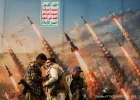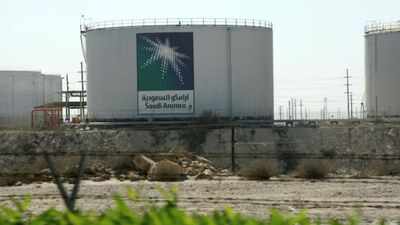
Saudi Arabia’s Energy Minister, Prince Abdul Aziz bin Salman, has vowed a “serious” response to a series of deadly attacks by Yemen’s Iran-backed Houthi rebels on the kingdom’s airports and oil and gas facilities.
Speaking at the WPC Energy Congress in Riyadh, the minister said the recent attacks required an equally strong response from the kingdom.
“The events of recent weeks are serious. Our response must be equally serious,” he said.
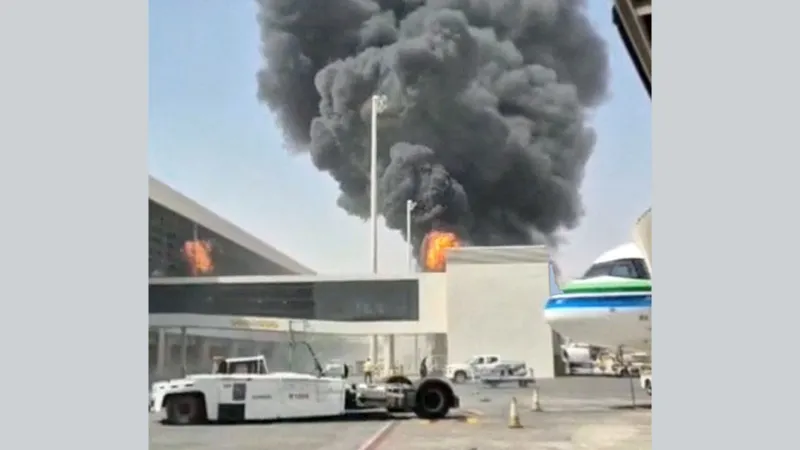
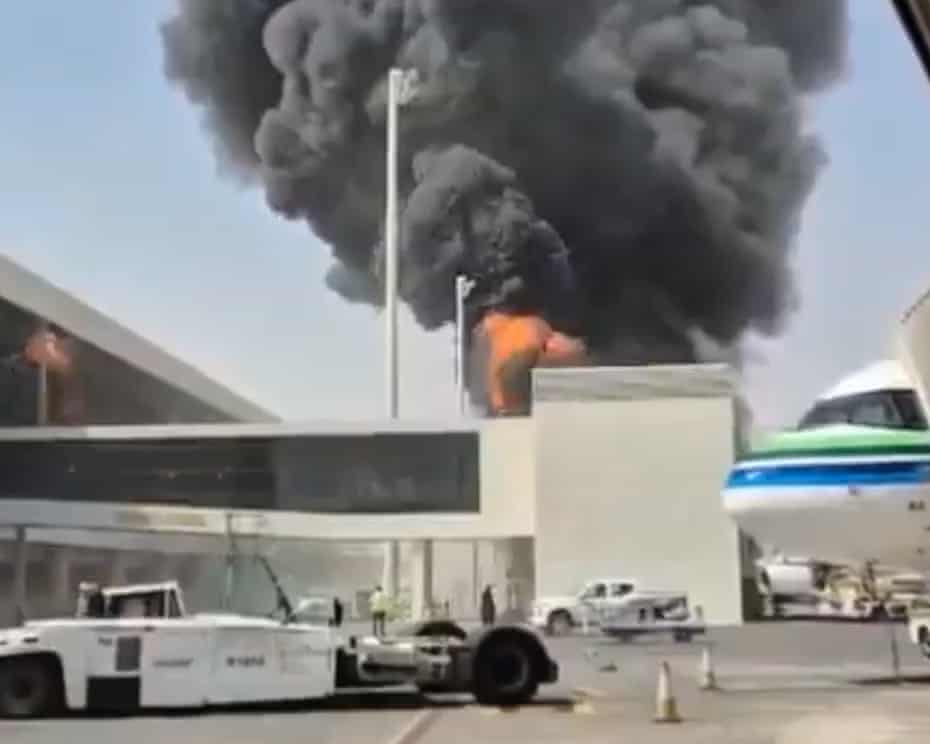
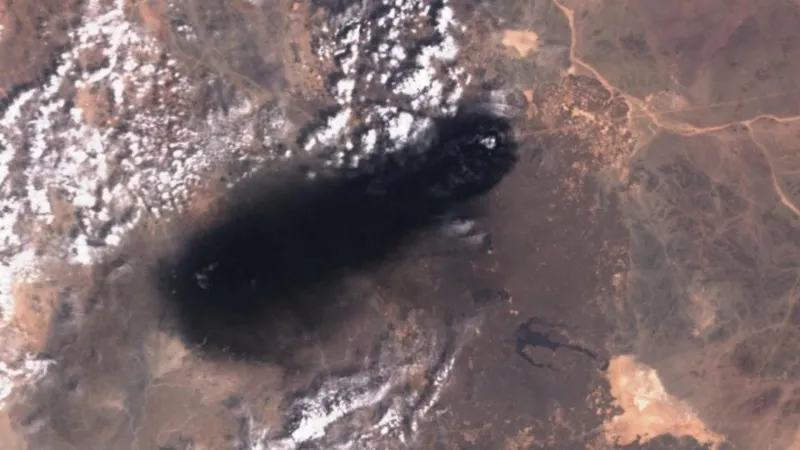
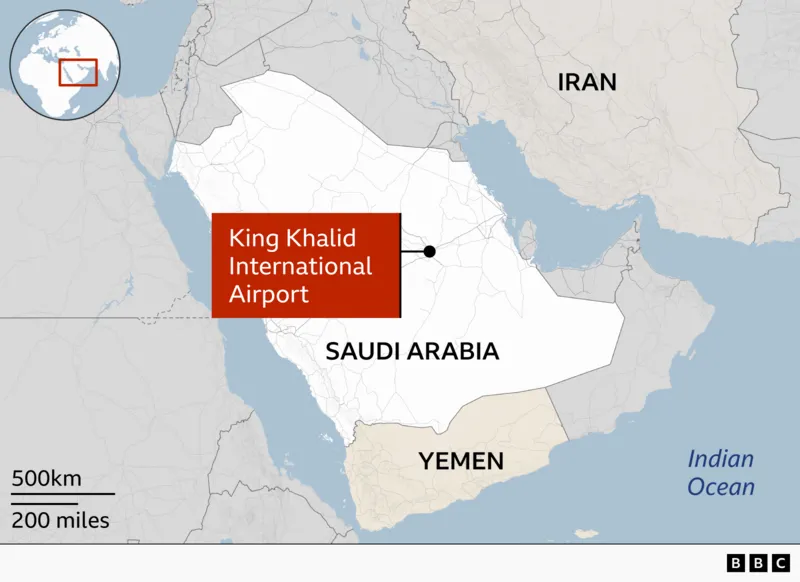
The warning followed two consecutive attacks on terminals at King Khalid International Airport in Riyadh.
Saudi authorities said a Pakistani man was killed when a terminal was attacked on Sunday, a day after a Houthi missile struck another terminal, killing 13 people and forcing its closure.
The Houthis said the attacks were carried out in retaliation for what they described as “brutal Saudi aggression” against territories under their control in western Yemen.
Meanwhile, the Houthi-run health ministry reported that a child was killed and six other people injured in a Saudi air strike on a house in Yemen’s capital, Sanaa, on Sunday.
Saudi Arabia has been providing air support to Yemeni government forces fighting the Houthis along the Red Sea coast and in other parts of the country.
Yemen has been embroiled in a civil war since 2014, when the Houthis seized the capital, Sanaa, and ousted the government.
The conflict intensified in 2015 after a Saudi-led coalition intervened to restore the internationally recognised government.
An informal ceasefire that had largely held for four years began to unravel in July after the Houthis announced a “maritime embargo” against Saudi Arabia and launched missile and drone attacks targeting airports, oil facilities and tankers in the Red Sea.
The group has accused Saudi Arabia of blockading ports and airports in areas under its control.
It also blamed Riyadh for an air strike on Sanaa airport, although Yemen’s government claimed responsibility, saying the operation was intended to prevent an unauthorised Iranian aircraft from landing.
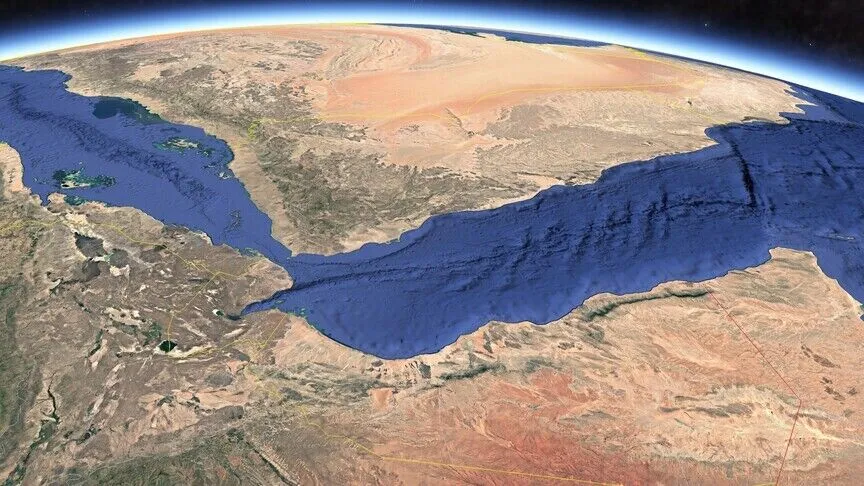
Last month, the Houthis launched an offensive along Yemen’s south-western Red Sea coast, pushing government forces out of areas overlooking the Bab al-Mandab Strait, a strategic waterway connecting the Red Sea to the Gulf of Aden.
Although the group said it did not intend to threaten international shipping through the strait, it vowed to continue targeting Saudi vessels.
The seizure of the strategic passage contributed to a surge in global oil prices, as Saudi Arabia had increasingly relied on the Red Sea to export its oil after the war involving the United States, Israel and Iran effectively shut the Strait of Hormuz.
Last week, Yemen’s government announced a fresh offensive aimed at recapturing all territories controlled by the Houthis.
Pro-government forces said they had quickly regained areas around Bab al-Mandab with support from intensive Saudi air strikes.
However, the Houthis denied losing any territory.